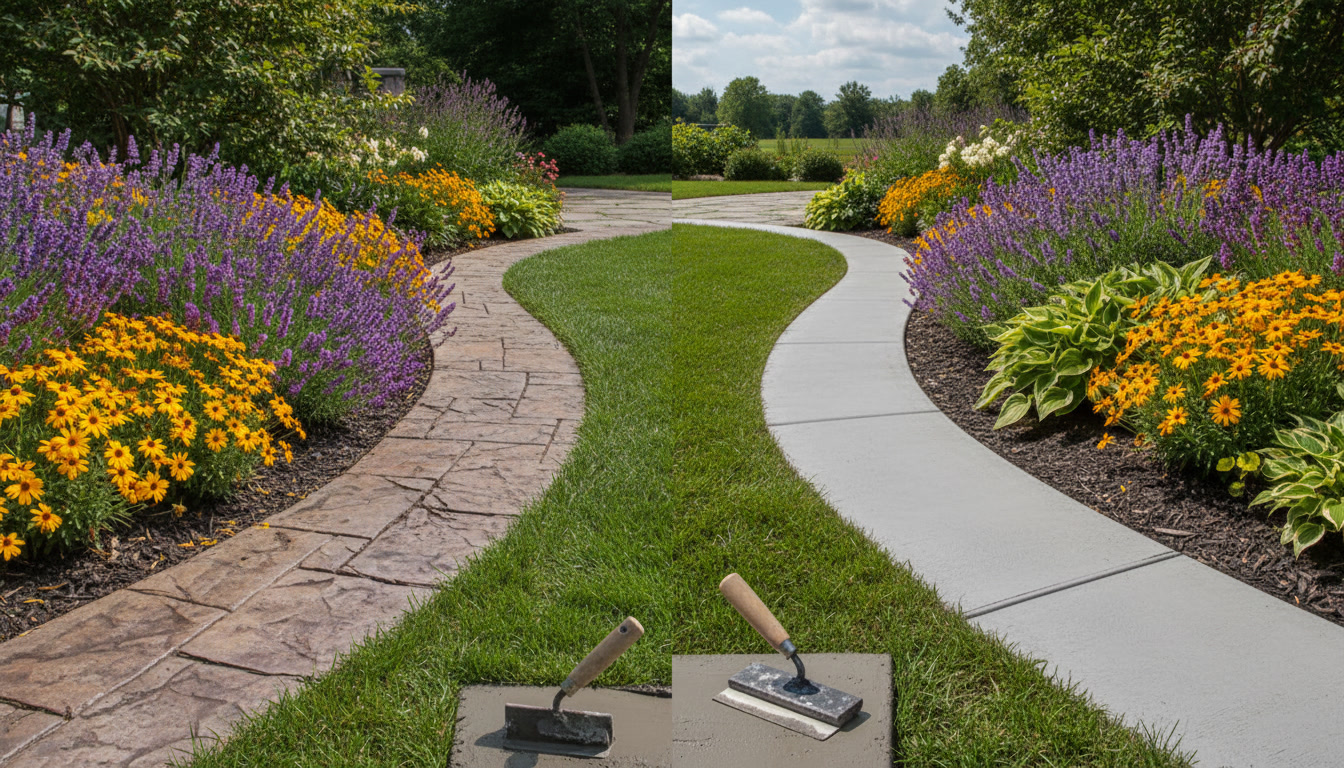
Poured concrete edging typically lasts 20 to 30 years with proper installation and maintenance, while stamped concrete borders often show wear patterns within 10 to 15 years due to surface treatments that may fade or chip. The core difference when evaluating stamped vs poured edging comes down to structural integrity versus decorative appeal. Poured borders rely on solid concrete thickness and proper curing, while stamped options add surface patterns that can become vulnerable to weathering over time.
Why Landscape Borders Matter for Property Value
Concrete landscape borders create clean separation between lawn areas, flower beds, driveways, and walkways. They prevent grass from invading mulched areas and reduce the need for constant trimming along garden edges. A well-installed border system adds visual structure to your property while cutting down weekly yard maintenance by 30% or more.
The material you choose affects both upfront costs and long-term performance. Homeowners often focus on initial appearance without considering how weather cycles, ground movement, and routine use will impact the border over a decade or longer.
Understanding Poured Concrete Landscape Borders
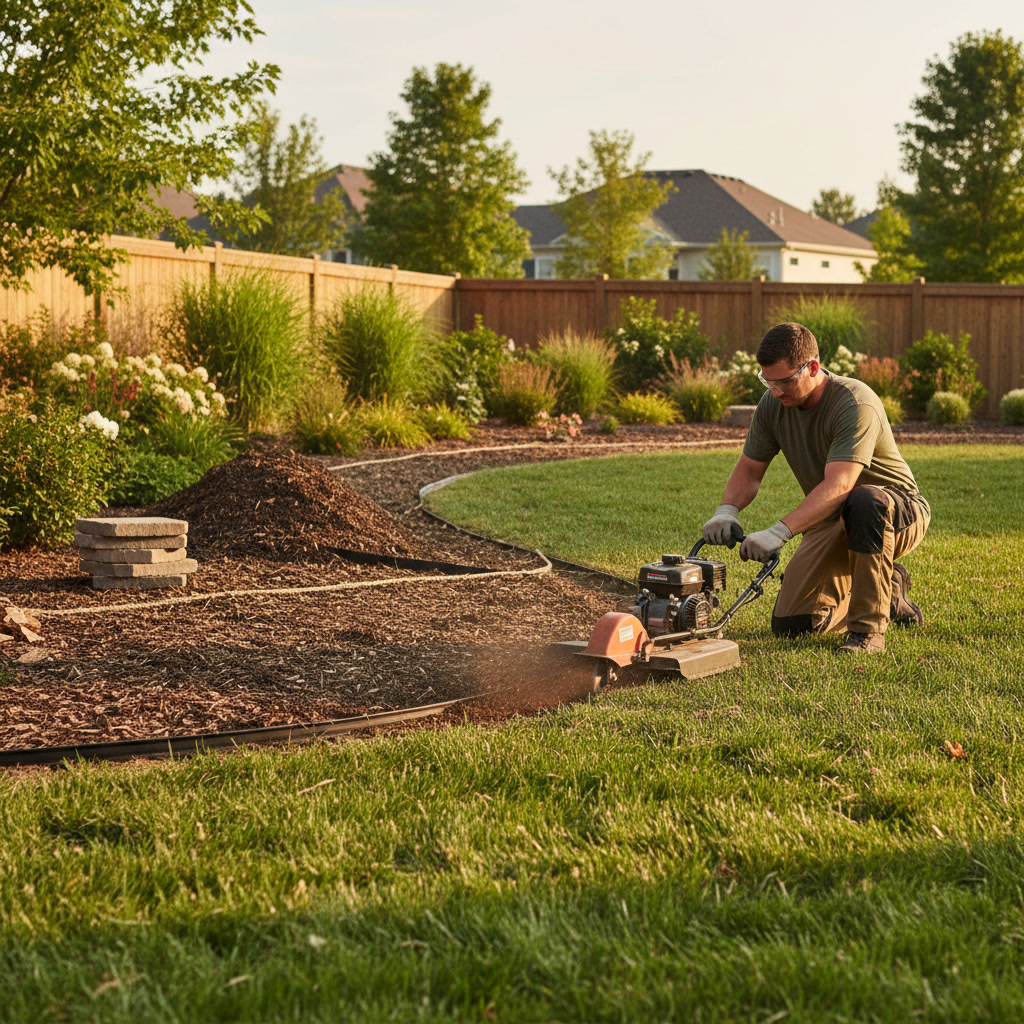
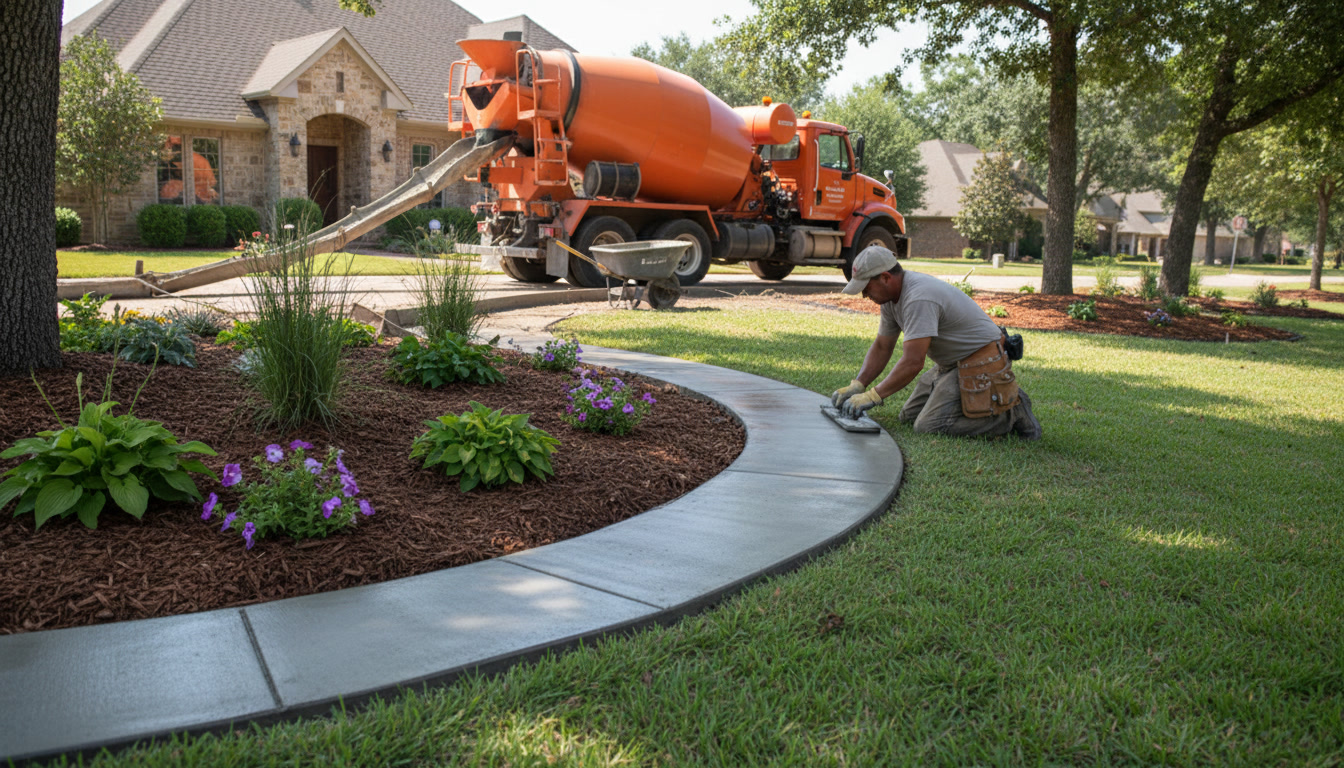
Poured concrete edging involves creating a continuous barrier by pouring mixed concrete into forms set along your desired border line. The concrete cures as a single, solid piece with consistent thickness throughout. Most professional installations use a four to six-inch depth and three to four-inch width to provide adequate stability.
This method creates a monolithic structure that resists cracking better than segmented options. The uniform composition means no weak joints or seams where water can penetrate and cause freeze-thaw damage. Contractors can adjust the mix design to match local soil conditions and climate demands.
How Stamped Concrete Edging Differs in Construction
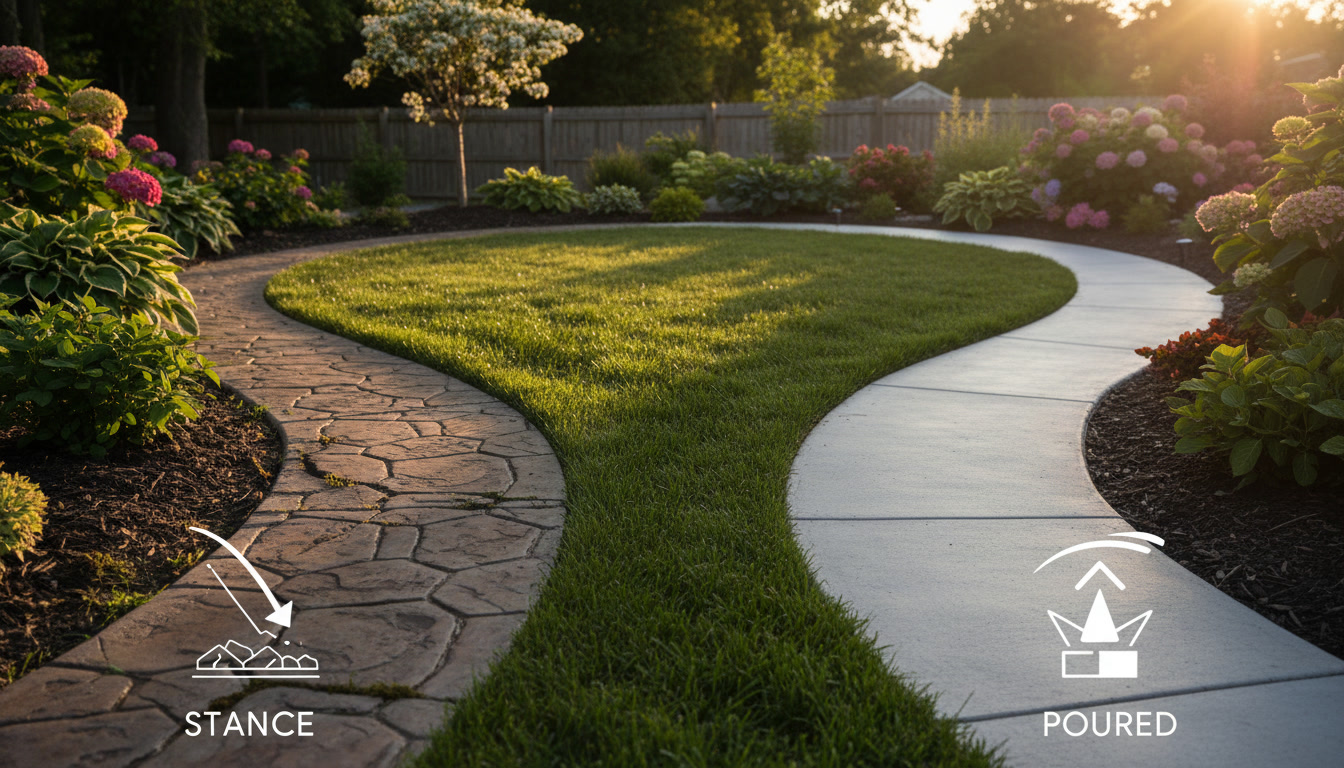
Stamped concrete borders start with the same poured foundation but add decorative surface treatments before the concrete fully cures. Installers press pattern mats or stamps into the wet surface to create textures that mimic brick, stone, or custom designs. Color hardeners and release agents produce varied hues and surface effects.
The stamping process compresses the top layer, which can actually increase surface density when done correctly. However, the colored surface layer is often only one-eighth to one-quarter inch thick. This thin decorative layer bears the brunt of weather exposure, foot traffic, and equipment contact.
Durability Factors That Affect Concrete Edging Lifespan in Herber Springs
Arkansas experiences freeze-thaw cycles that challenge any concrete installation. Water seeps into porous surfaces, freezes overnight, expands, and creates internal pressure that leads to spalling and surface deterioration. Poured borders with proper air entrainment in the mix resist this cycle better than surface-treated options.
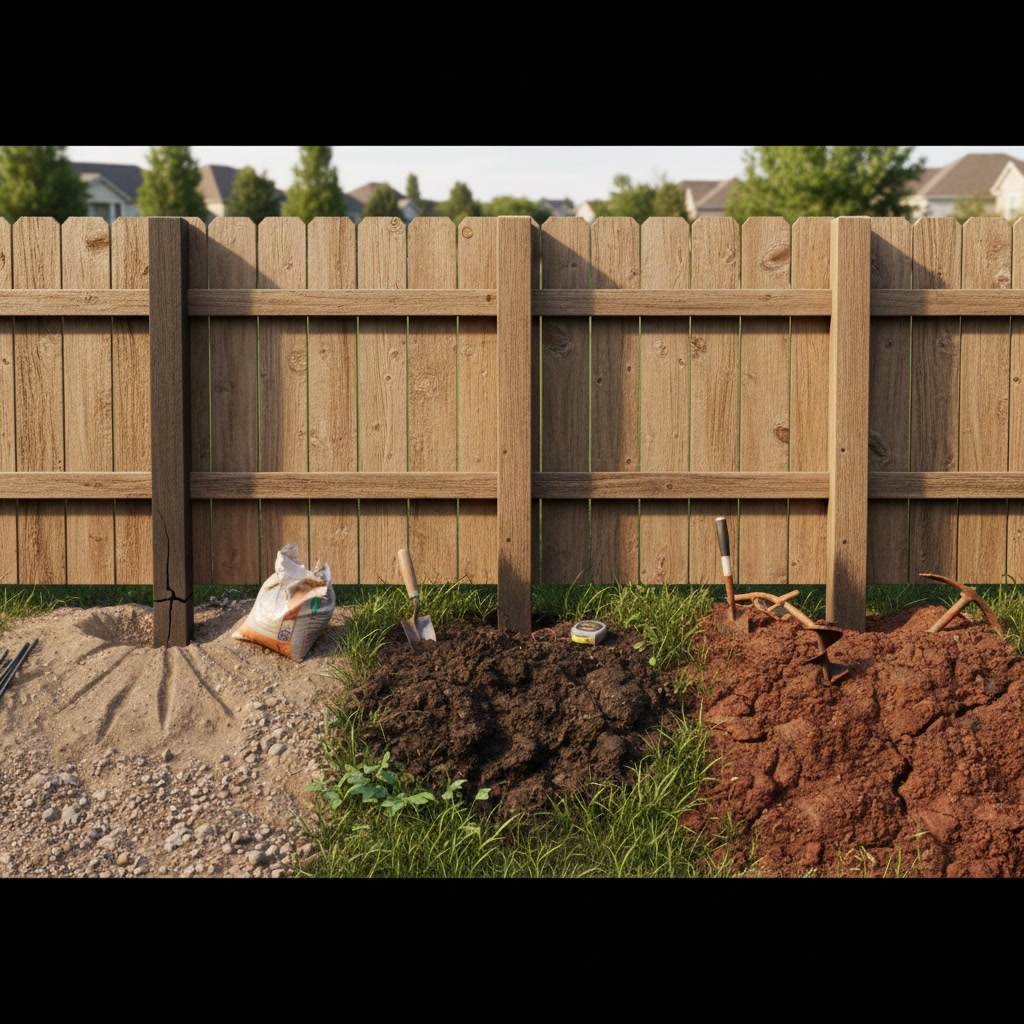
Soil movement presents another challenge. Clay-heavy soils common in the region expand when wet and contract during dry periods. A four-inch thick poured border has enough mass to resist minor ground shifts, while thinner decorative tops may crack along stamp lines where the concrete is already scored.
UV exposure fades colored stamped surfaces over time. While the structural concrete beneath remains sound, the aesthetic appeal diminishes as pigments break down. Professional landscaping installations account for sun exposure patterns when recommending border types for different yard areas.
Maintenance Requirements for Each Border Type
Poured concrete edging needs minimal upkeep beyond occasional cleaning and crack monitoring. You can pressure wash the surface, apply a basic sealer every three to five years, and address any settlement issues by mudjacking if sections sink. The uniform gray surface hides minor stains and discoloration better than decorative finishes.
Stamped borders require more attention to preserve their appearance. Plan to reseal every two to three years using products designed for stamped concrete. The surface needs gentler cleaning methods since aggressive scrubbing can wear away color layers. Touch-up work becomes necessary when high-traffic areas show wear patterns or when color fades unevenly.
Cost Comparison Over the Full Service Life
Initial installation costs for poured edging typically range from $6 to $10 per linear foot for standard residential work. Stamped options start at $12 to $18 per linear foot due to additional labor, materials, and skill requirements. The decorative appeal commands a premium, but the financial equation changes when you factor in maintenance.
Over 20 years, poured borders might need $200 to $400 in sealer and minor repairs for a typical 100-foot installation. Stamped edging could require $800 to $1,500 in resealing, color restoration, and surface repair to maintain its appearance. The cumulative cost difference often exceeds the initial savings from choosing poured over stamped.
Installation Quality Makes the Biggest Difference
Even the most durable concrete fails when installed incorrectly. Proper subgrade preparation, correct mix ratios, adequate curing time, and appropriate reinforcement determine whether your border lasts 15 years or 30. A poured border installed on poorly compacted soil will crack and settle regardless of material quality.
The most critical factor most homeowners overlook is drainage. Water that pools against concrete borders accelerates deterioration through constant moisture exposure and freeze-thaw damage. Professional installers grade the surrounding soil to direct water away from the border and often include drainage channels or gravel beds beneath the concrete.
Reinforcement choices also impact longevity. Wire mesh or rebar adds tensile strength that helps concrete resist cracking from ground movement. Fiber reinforcement mixed into the concrete provides micro-level crack resistance. Stamped installations benefit even more from reinforcement since surface patterns create stress concentration points.
Climate-Specific Performance in Arkansas
The region’s humidity levels affect how concrete cures and ages. High summer humidity can actually help concrete achieve better long-term strength by slowing the curing process and allowing more complete hydration. However, the same moisture promotes biological growth on surfaces, creating green or black staining on decorative finishes that detracts from their appearance.
Winter temperature swings present the harshest test. A typical January might see 60-degree afternoons followed by 20-degree nights. This rapid cycling amplifies freeze-thaw damage in any concrete with absorbed moisture. Air-entrained concrete contains microscopic bubbles that give ice room to expand without fracturing the material, a feature more critical in poured structural applications than thin decorative surfaces.
When Stamped Edging Makes Sense Despite Shorter Lifespan
Some landscape designs benefit from the visual impact of stamped borders even if they require more maintenance. Properties with extensive decorative hardscaping, such as stamped patios or walkways, achieve better aesthetic cohesion when borders match. The unified appearance can justify the additional upkeep for homeowners prioritizing curb appeal.
Stamped edging works well in protected areas with minimal traffic and weather exposure. A border along a covered patio or beneath deep roof overhangs avoids direct rainfall and intense sun, conditions that accelerate surface wear. In these locations, the decorative finish lasts much longer and requires less frequent maintenance.
Real-World Performance Data From Long-Term Installations
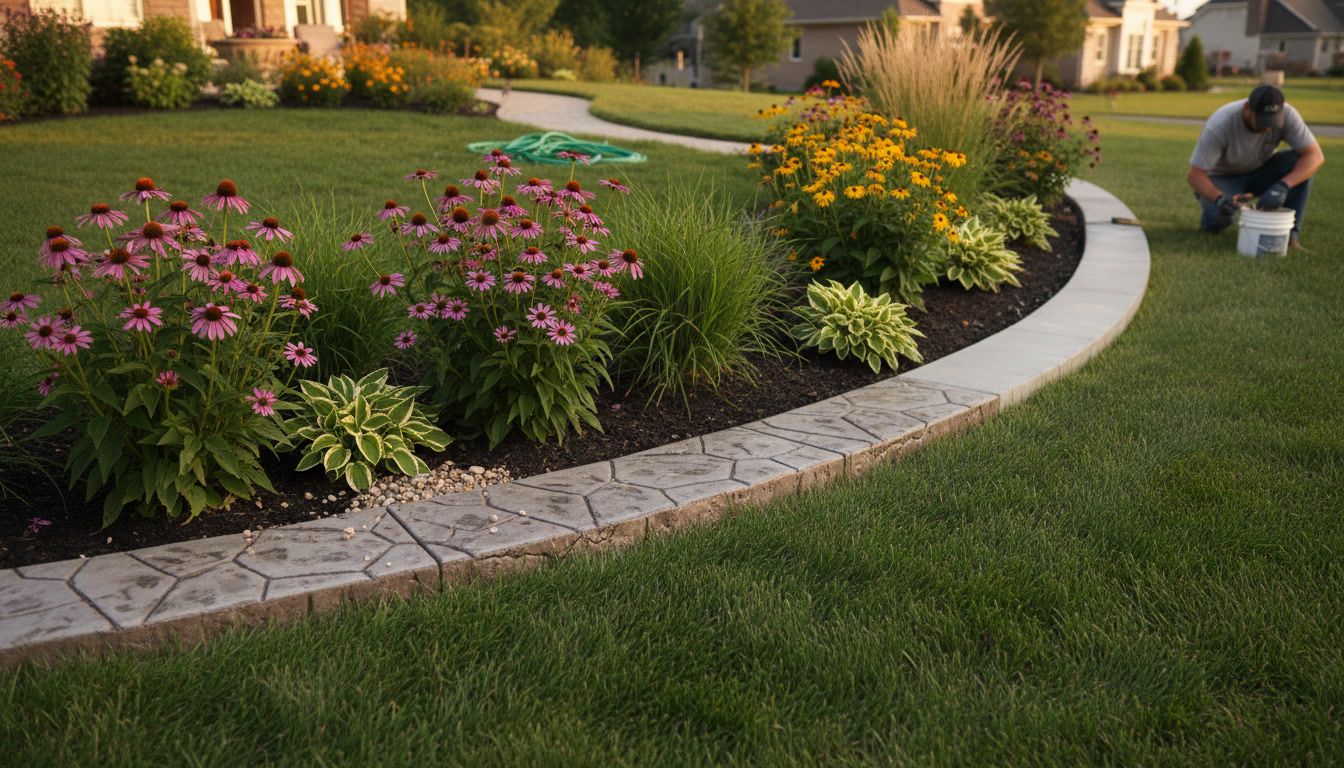
Tracking actual installed borders over 15 to 25 years reveals patterns manufacturers and installers rarely discuss. Poured borders typically show hairline cracks at the seven to ten-year mark, often related to minor settling rather than material failure. These cracks stabilize and rarely worsen if the underlying cause is addressed.
Stamped surfaces show noticeable color fading by year five in high-sun exposures, even with regular sealing. Worn traffic patterns appear where foot traffic concentrates, such as garden access points. By year 12, many stamped installations need complete resurfacing or replacement if the decorative appearance is a priority, while the underlying concrete remains structurally sound.
One insight from decades of installations: borders that receive annual inspections and minor preventive maintenance last significantly longer than those left unattended. Catching a small crack early and filling it prevents water intrusion that turns minor damage into major failure. This applies to both poured and stamped options, though poured systems tolerate neglect better. Similar to what we discuss in our guide on professional outdoor work, knowing when to invest in expert installation versus ongoing DIY care affects total lifetime value.
Making the Right Choice for Your Property
Your decision should weigh appearance priorities against maintenance willingness and budget realities. If you want a border that performs reliably for decades with minimal attention, poured concrete delivers better value. The uniform appearance suits most residential landscapes and complements various architectural styles without competing for visual attention.
Choose stamped edging when the decorative element is central to your landscape design and you commit to the required maintenance schedule. Budget for resealing every two to three years and plan for potential color restoration or surface repair within 10 to 15 years. The higher ongoing investment makes sense for showcase properties where appearance justifies the cost.
Consider hybrid approaches for larger properties. Use durable poured borders in high-traffic or exposed areas while reserving stamped treatments for focal points where you can control wear and provide protection. This strategy balances aesthetic appeal with practical longevity. Our concrete landscape edging services can help design systems that combine both methods effectively.
Building Borders That Outlast Your Expectations
The longest-lasting landscape borders share common characteristics regardless of finish type. They rest on properly prepared, well-compacted subgrades that prevent settling. They incorporate appropriate reinforcement for local soil conditions. They use concrete mixes designed for the specific climate and application, with proper air entrainment and water-cement ratios.
Most importantly, they receive professional installation that follows best practices for forming, pouring, finishing, and curing. The skill and experience of your installer matters more than the specific product or technique chosen. A master craftsman can make stamped edging last 20 years, while a careless contractor can ruin poured borders in five.
Herber Springs Awning and Home Improvements brings 25 years of experience to every landscape border project, ensuring proper techniques that maximize longevity regardless of the style you choose. Our installations account for local soil types, drainage patterns, and climate factors that generic approaches overlook. Whether you prioritize the durability of classic poured edging or the visual appeal of stamped designs, the quality of workmanship determines how well your investment performs over the decades ahead.
If you’re planning landscape improvements and want borders that stand the test of time, Herber Springs Awning and Home Improvements can evaluate your property and recommend the approach that best fits your goals. Call +1 501-362-3727 to discuss your project and schedule a consultation.