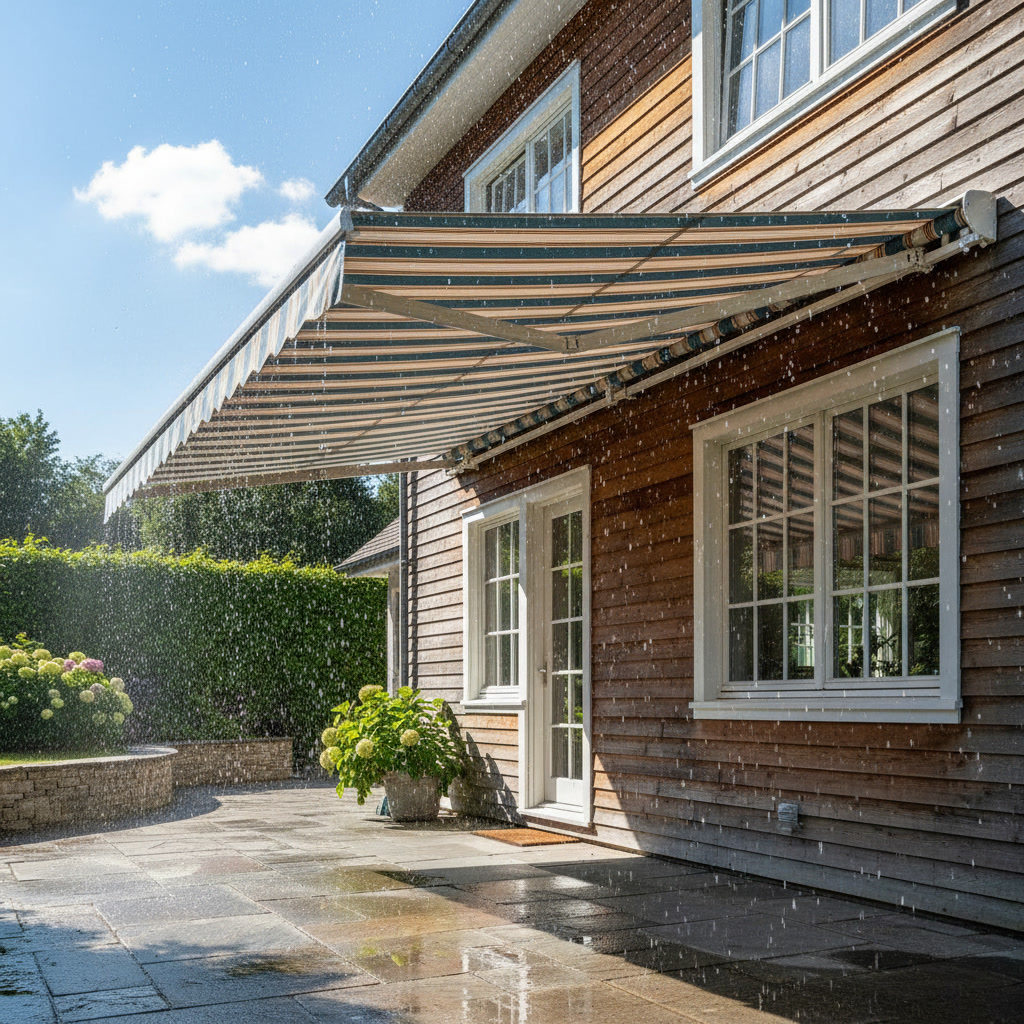
Understanding how awnings work reveals why they remain one of the most effective solutions for protecting your home from sun and weather damage. Awnings act as a physical barrier that blocks harmful UV rays, deflects rain and debris, and creates shade that reduces indoor temperatures by up to 15 degrees. This protective layer extends the life of your windows, siding, outdoor furniture, and interior flooring while cutting cooling costs by 25 percent or more during summer months.
The Growing Need for Home Protection in Arkansas
Arkansas homeowners face intense summer sun that beats down on windows and siding for months at a time. The state’s climate brings scorching heat, sudden storms, and high humidity that accelerate wear on exterior surfaces. Without proper shading, UV radiation fades paint, warps vinyl, and causes interior furnishings to discolor. Rain and wind drive moisture into vulnerable areas around windows and doors, leading to rot and mold growth over time.
These conditions create a need for effective protection that works year-round. Simple fixes like curtains or blinds block light but trap heat inside your home, forcing air conditioning systems to work harder. Exterior solutions provide better results by stopping heat before it reaches your walls.
The Basic Mechanics Behind Awning Protection
An awning creates a permanent or retractable overhang that extends from your home’s exterior wall. The structure consists of a metal frame, typically aluminum or galvanized steel, covered with weather-resistant fabric or rigid materials like aluminum panels or polycarbonate sheets. This overhead barrier intercepts sunlight at an angle, casting shade over windows, doors, patios, and outdoor living areas.
The angled design does more than provide shade. It deflects rain away from entry points, preventing water from pooling near foundations or seeping into window frames. Wind hits the sloped surface and moves around it rather than directly against your home’s exterior. This simple mechanical advantage reduces weathering on paint, wood, and other materials that degrade when exposed to constant moisture and temperature swings.
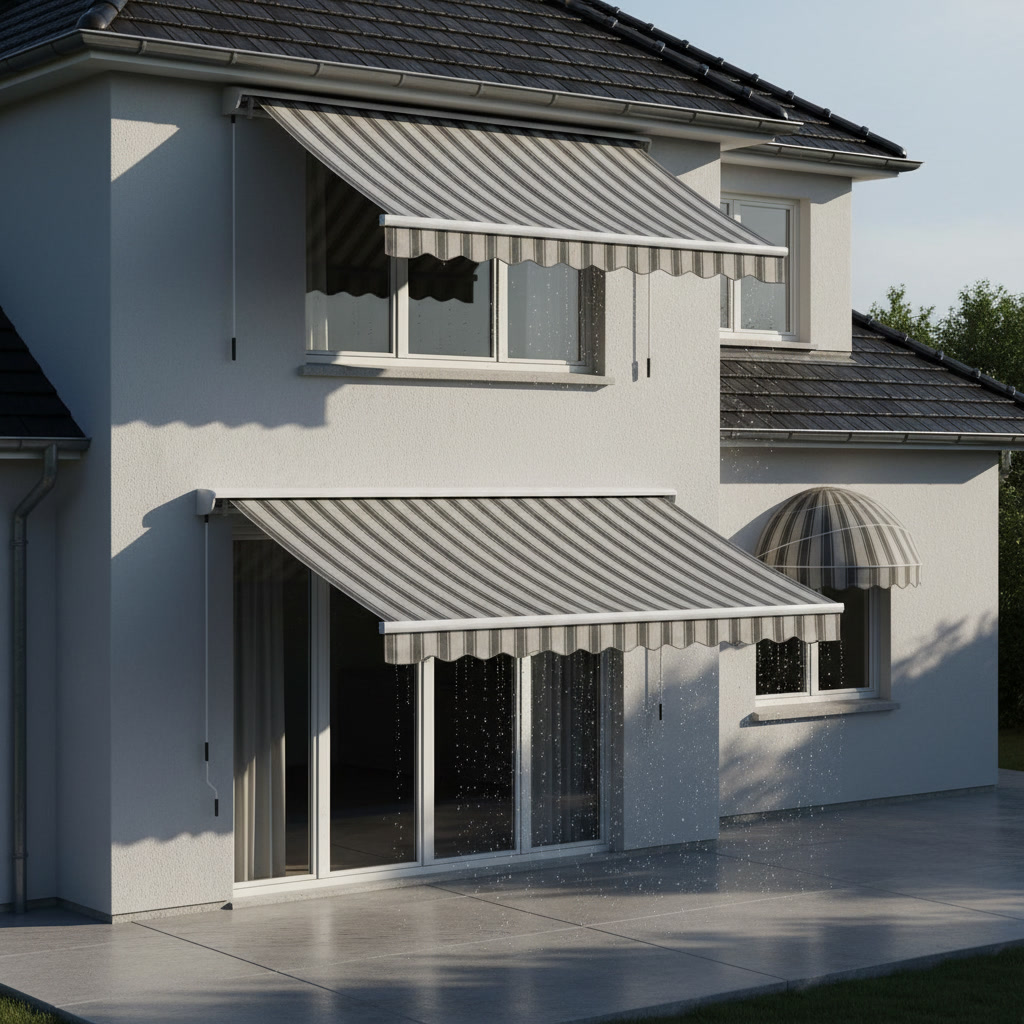
How Shade Reduces Interior Heat and UV Damage
Direct sunlight streaming through windows heats up flooring, furniture, and walls. This radiant heat raises indoor temperatures and forces cooling systems to run longer cycles. An awning blocks up to 94 percent of solar radiation before it hits glass, keeping rooms cooler and reducing the load on air conditioners. Department of Energy studies confirm that shaded windows can lower indoor temperatures by 10 to 15 degrees on hot days.
UV rays cause the most damage over time. These invisible wavelengths fade carpets, upholstery, and hardwood floors even when you don’t feel the heat. Extended exposure weakens fabrics and causes wood to lose color and structural integrity. By filtering UV radiation before it enters your home, an awning preserves interior finishes and extends the replacement cycle for expensive flooring and furniture.
Material Choices and Their Weather Resistance
Fabric awnings use solution-dyed acrylic or vinyl-coated polyester designed to withstand years of sun exposure without fading or tearing. Solution-dyed acrylic resists mildew and maintains color longer because pigment saturates the fiber rather than coating the surface. Vinyl-coated polyester offers superior waterproofing but may not breathe as well in humid conditions.
Metal awnings, whether aluminum or steel, provide the longest lifespan and require minimal maintenance. Powder-coated finishes resist rust and corrosion, making them ideal for areas with frequent rain or high humidity. Polycarbonate panels offer a middle ground, combining durability with light transmission that creates bright, shaded spaces without complete darkness. Each material choice affects how well the awning handles wind loads, rain runoff, and temperature extremes specific to your climate.
Protecting Windows and Siding from Weathering
Constant exposure to sun and rain breaks down paint, caulk, and sealant around windows and doors. Paint oxidizes and chalks under UV assault, while moisture penetrates cracks and causes wood to swell and rot. Vinyl siding warps when temperatures spike, leaving waves and buckles that never fully straighten.
Awnings extend the life of these materials by limiting direct exposure. Shaded siding stays cooler, reducing thermal expansion and contraction that loosens fasteners and creates gaps. Windows protected by awnings experience less stress from temperature swings, and seals around glass last longer when not baked by afternoon sun. This protection translates to fewer repainting projects, less siding replacement, and lower maintenance costs over the life of your home.
Energy Savings Through Passive Cooling in Herber Springs
Homes in Herber Springs benefit significantly from awnings during the long Arkansas summer. When you block solar heat gain at the source, cooling systems run less often and consume less electricity. A typical home with south-facing and west-facing windows can reduce air conditioning costs by 200 to 300 dollars per season with properly sized awnings.
The energy savings multiply when you combine awnings with other outdoor improvements. Pairing them with patio covers creates larger shaded areas that further lower ambient temperatures around your home. This passive cooling effect reduces urban heat island impact in neighborhoods and makes outdoor spaces more comfortable for extended use throughout the day.
Fixed vs Retractable Designs and Their Applications
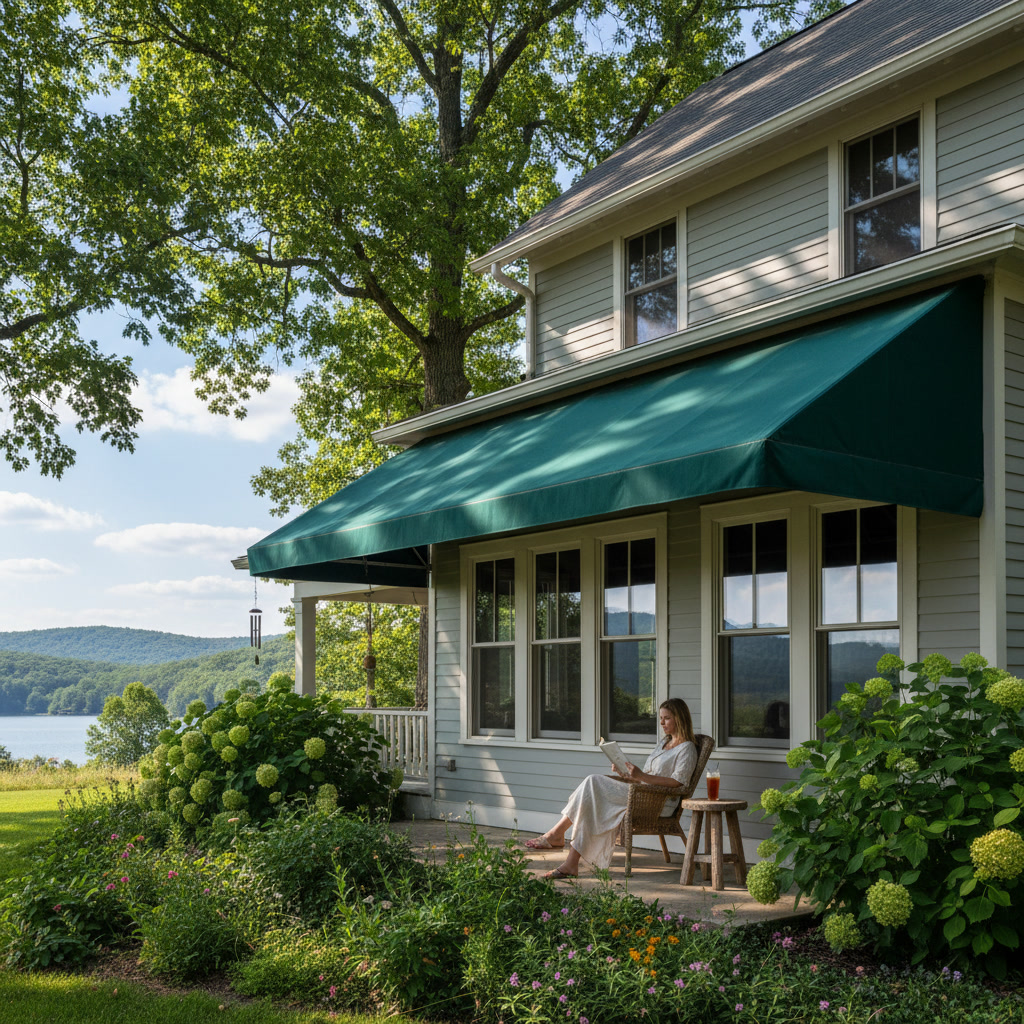
Fixed awnings remain in place year-round, providing constant protection without moving parts that wear out. These permanent structures handle high wind loads better and cost less upfront. They work best on elevations that need continuous shade, such as south-facing windows that receive direct sun for most of the day.
Retractable awnings offer flexibility for homeowners who want shade on demand but prefer unobstructed views during cooler months or cloudy days. Motorized systems extend and retract at the press of a button, while manual cranks provide a budget-friendly alternative. Retractable designs require more maintenance because hinges, arms, and fabric undergo repeated stress cycles. However, the ability to retract an awning during storms reduces wind damage risk and extends fabric life when weather turns severe.
Choosing between fixed and retractable depends on your climate patterns, budget, and how you use outdoor spaces. Homes with large decks or patios often benefit from retractable models that adapt to changing conditions throughout the day.
Installation Angles and Optimal Coverage
The angle at which an awning mounts determines how much shade it casts and how effectively it sheds water. A steeper pitch increases rain runoff but reduces shade depth. A shallow angle provides wider coverage but may allow rain to pool on the fabric or panel surface.
Most residential awnings install at a 15 to 25 degree slope, balancing shade coverage with water drainage. For maximum protection, the awning should extend far enough from the wall to shade the entire window or door during peak sun hours. A professional installer calculates sun angles based on your home’s orientation and local latitude to ensure optimal coverage without wasting material or creating awkward overhangs.
Improper installation reduces effectiveness and creates maintenance problems. Awnings mounted too high leave gaps where sun reaches windows at low angles. Those mounted without proper pitch collect water that stresses seams and promotes mildew growth. Experienced contractors account for these factors during the design phase, ensuring your investment delivers maximum protection.
Extending Outdoor Living Spaces with Weather Protection
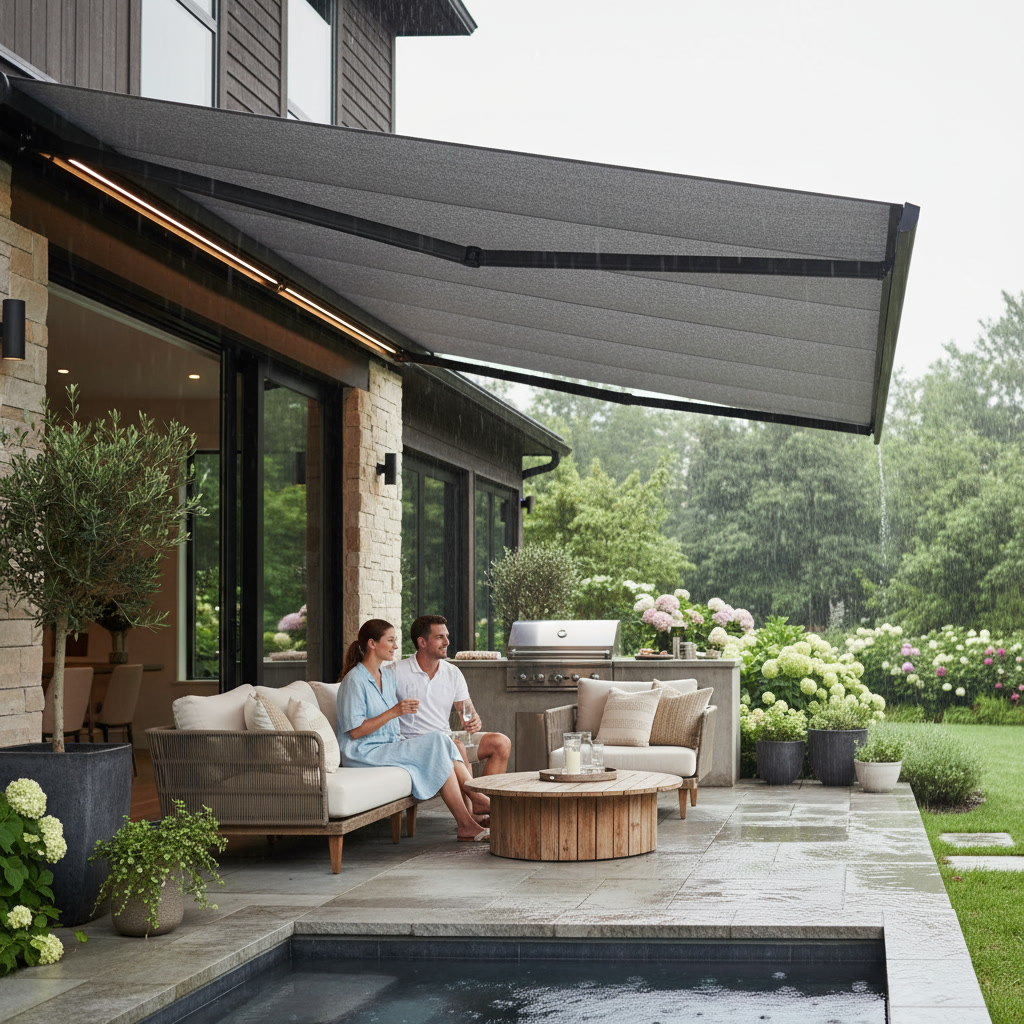
Awnings transform patios and outdoor areas into usable rooms that function in conditions that would otherwise drive you indoors. Shaded spaces stay 15 to 20 degrees cooler than unprotected areas, making summer afternoons tolerable. Rain protection lets you enjoy outdoor meals and gatherings without scrambling to move furniture when clouds roll in.
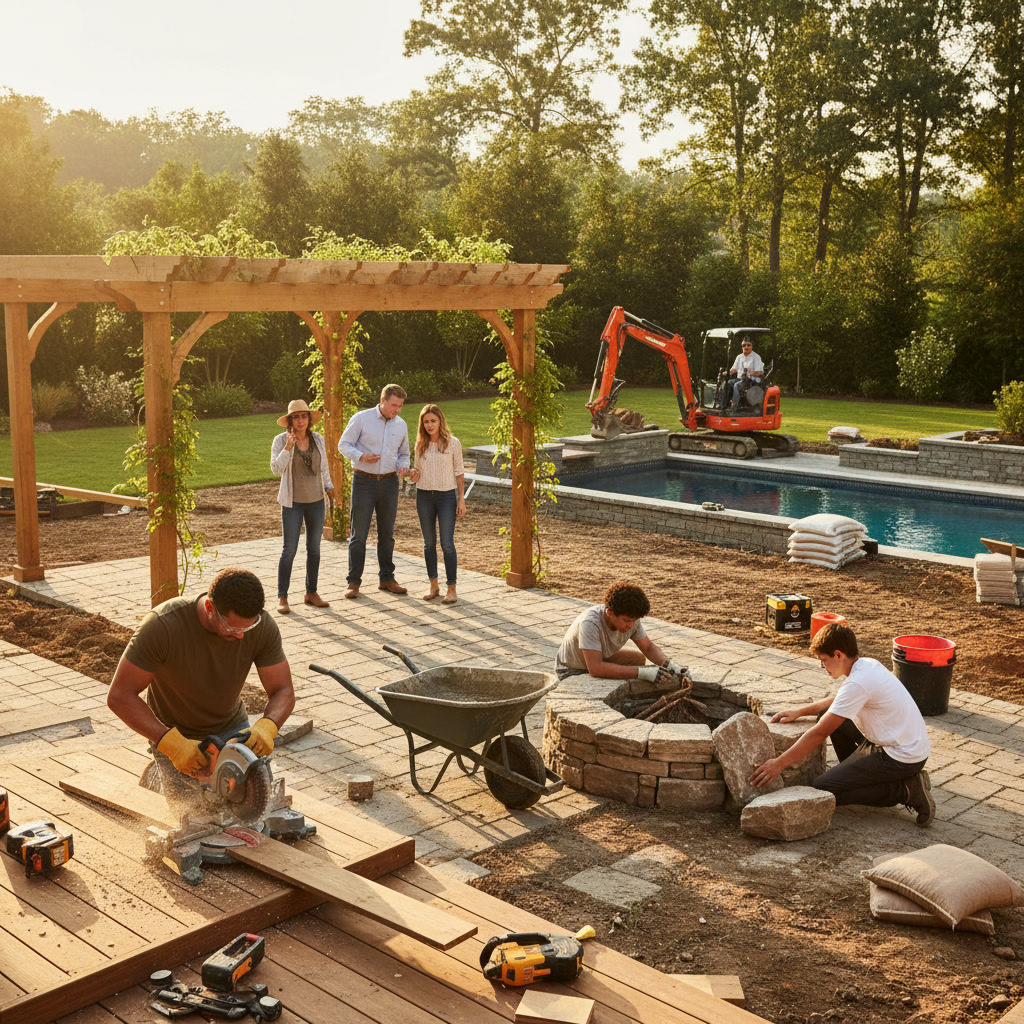
This extended living space adds functional square footage without the cost of building an addition. Homeowners use covered patios for dining, entertaining, and relaxation throughout the season. The protection also preserves outdoor furniture, grills, and decor that would fade and deteriorate faster under direct sun and rain exposure. Many homeowners who start with awnings eventually expand to screen rooms or sunrooms as they discover the value of protected outdoor areas.
Maintenance Practices That Maximize Longevity
Regular cleaning keeps awnings functional and attractive for years. Fabric models should be brushed free of leaves and debris monthly, then washed with mild soap and water twice per season. Allow fabric to dry completely before retracting to prevent mildew growth in the folds. Metal awnings need less frequent attention but benefit from an annual rinse and inspection for loose fasteners or damaged coatings.
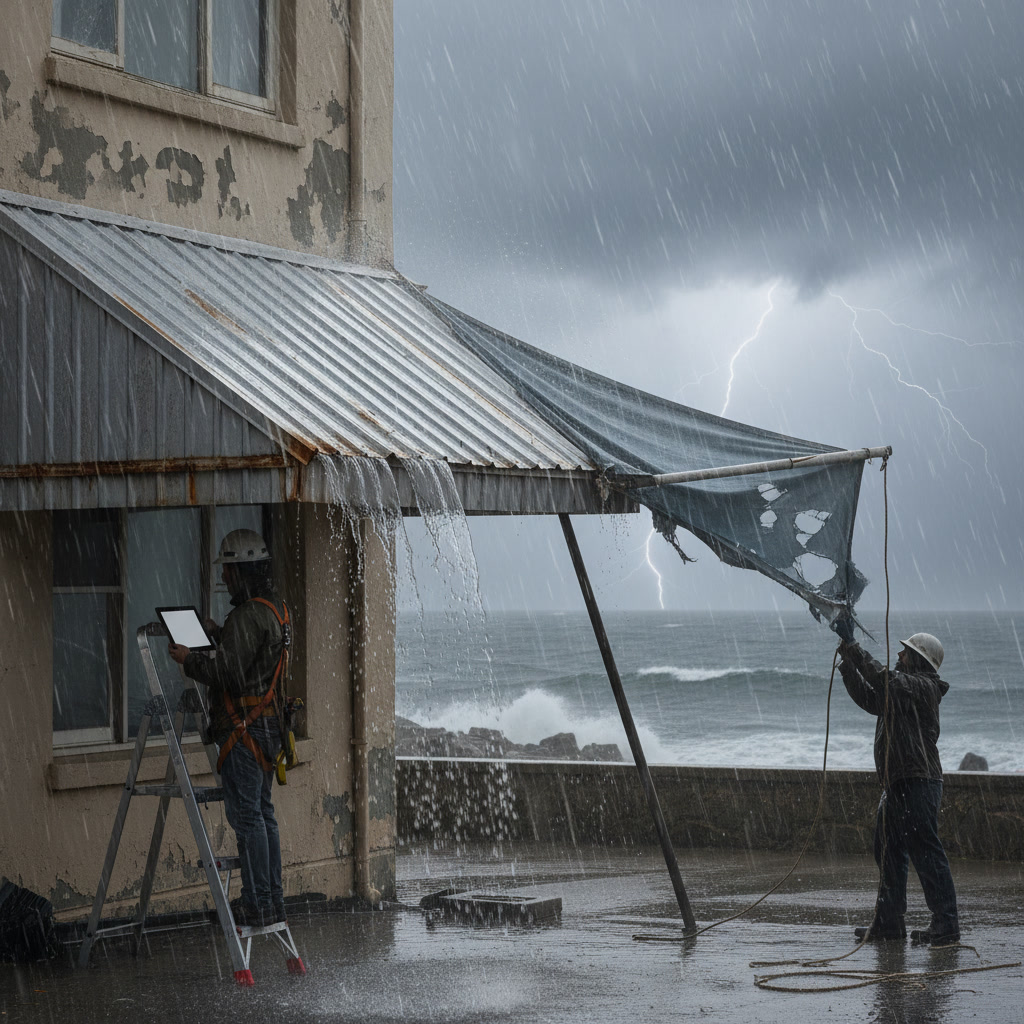
Check mounting hardware and frame joints annually. Vibration from wind loosens bolts over time, and catching these issues early prevents structural failure during storms. Tighten any loose connections and apply lubricant to moving parts on retractable systems. Inspect fabric for tears, weak seams, or areas where waterproofing has degraded. Small repairs made promptly prevent minor damage from spreading and requiring full replacement.
Professional inspections every few years catch problems that homeowners overlook. Experienced contractors spot early signs of frame corrosion, fabric degradation, and mounting stress that could lead to failure. This proactive approach extends awning life and protects your home from damage that occurs when awnings fail during severe weather.
Protecting Your Home Investment for Years to Come
Awnings deliver measurable protection that preserves home value and reduces ongoing maintenance costs. By blocking UV radiation, deflecting rain, and lowering indoor temperatures, they protect siding, windows, and interior finishes from premature wear. The energy savings alone often pay for the installation within five to seven years, while the extended life of protected materials adds thousands of dollars in avoided replacement costs.
Selecting the right awning type, material, and installation angle ensures you get maximum benefit for your specific home and climate. Fixed designs offer durability and constant protection, while retractable models provide flexibility for changing conditions. Both styles reduce your home’s environmental impact by lowering energy consumption and extending the life of building materials that would otherwise end up in landfills.
Herber Springs Awning and Home Improvements has helped Arkansas homeowners protect their properties for 25 years, installing awnings that combine functionality with lasting quality. Whether you need shade for a single window or coverage for an entire patio, professional installation ensures proper mounting, optimal angles, and materials suited to local weather patterns. Contact our team at +1 501-362-3727 to discuss how the right awning solution can reduce your energy bills and preserve your home for decades.