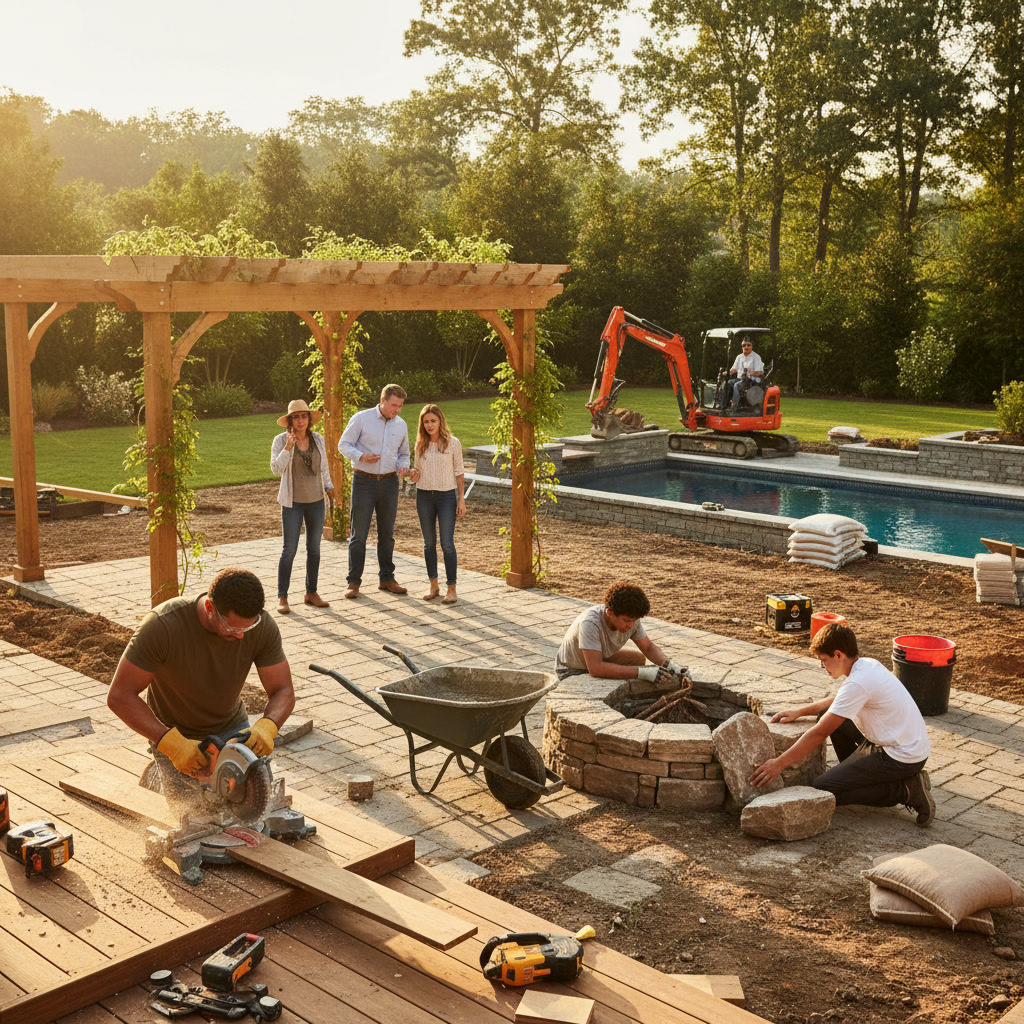
DIY outdoor remodeling projects can save money and give you a sense of accomplishment, but knowing your limits is crucial. Simple tasks like painting deck railings or installing landscape edging often work well for homeowners with basic tools and patience. Complex projects involving structural work, electrical systems, or heavy materials typically require licensed professionals to ensure safety, code compliance, and long-term durability. The key is understanding your skill level, available time, and the project’s technical demands before you commit.
The Rising Appeal of Outdoor Living Spaces
Homeowners across Arkansas increasingly view their yards as extensions of indoor living space. Outdoor areas now serve as entertainment hubs, quiet retreats, and functional workspaces. This shift drives demand for quality improvements that blend comfort with durability. Adding a deck, patio cover, or water feature transforms how families use their property throughout the year.
Property values climb when outdoor spaces receive thoughtful upgrades. Buyers pay premium prices for homes with established outdoor rooms, quality fencing, and professional landscaping. The investment pays dividends whether you plan to sell soon or stay for decades.
Understanding Your Skill Level and Available Time
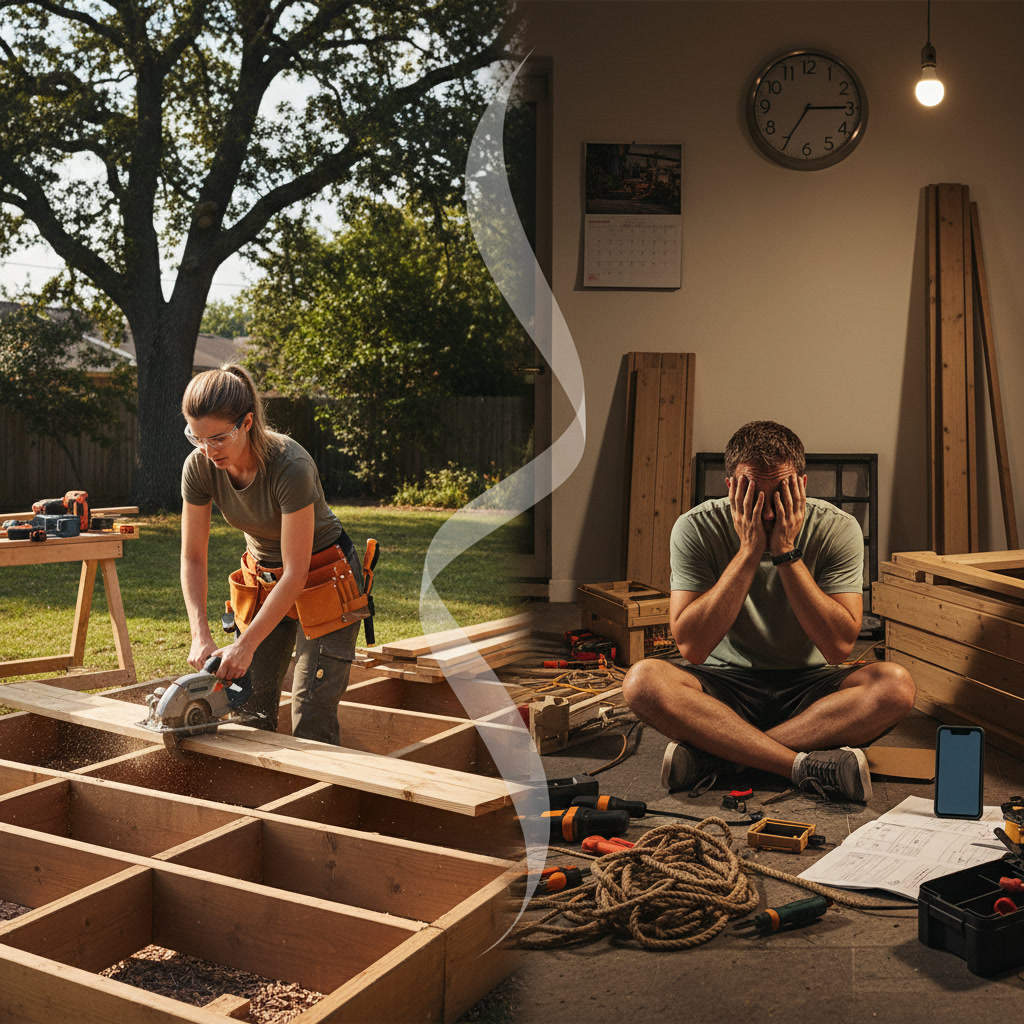
Honest self-assessment prevents costly mistakes. Consider your experience with power tools, physical stamina for repetitive tasks, and ability to follow technical instructions. A project that takes a professional crew two days might consume your weekends for a month. Factor in weather delays, tool rentals, and the learning curve for new techniques.
Time constraints matter more than most homeowners admit upfront. An unfinished deck sitting half-built through winter creates safety hazards and material damage. Calculate realistic timelines before starting, including permit waiting periods and inspection schedules.
Easy Weekend Projects Most Homeowners Can Handle
Painting existing structures ranks among the most approachable tasks. Deck staining, fence refinishing, and exterior trim work require patience more than expertise. Proper surface preparation determines success, so budget time for cleaning, sanding, and priming.
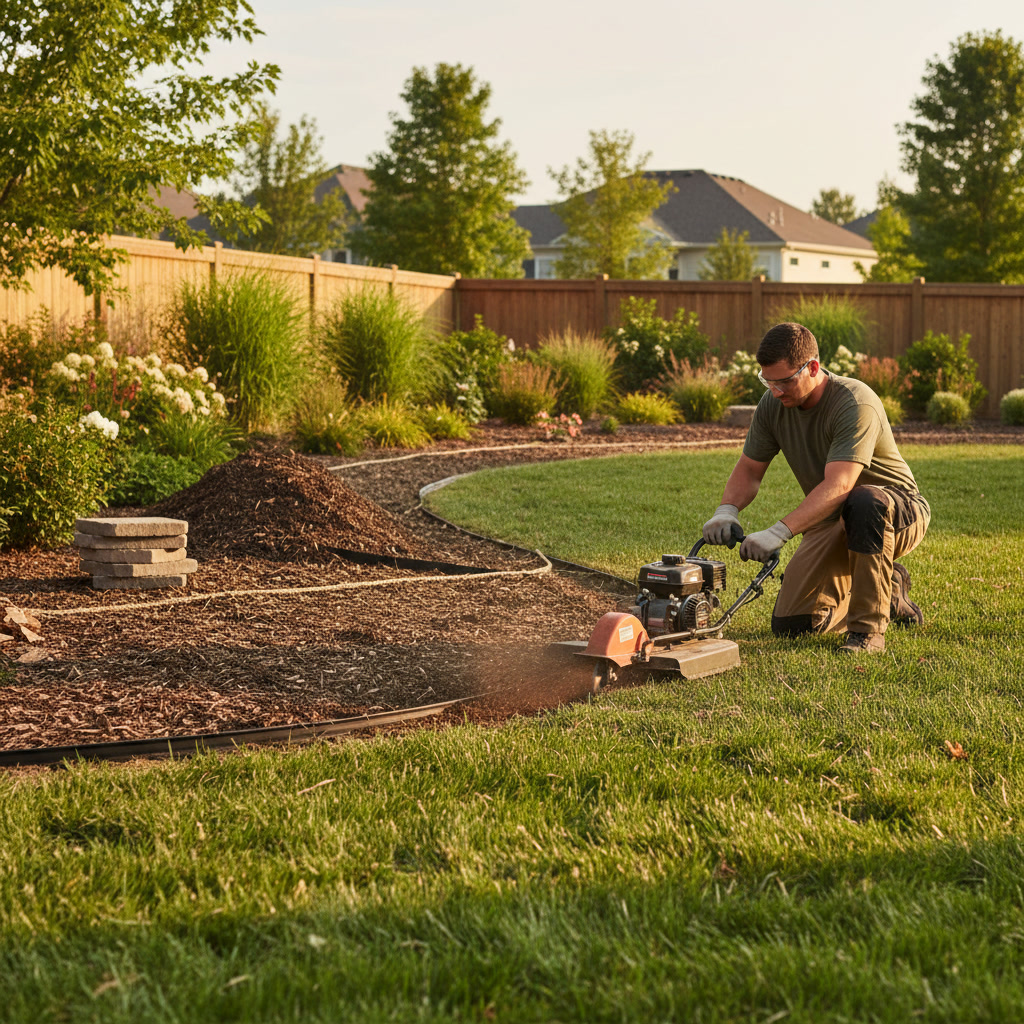
Installing simple landscape outliners or borders improves curb appeal without specialized skills. These projects involve measuring, basic digging, and following manufacturer instructions. Mulching, planting flowers, and maintaining existing gardens also fall within most homeowners’ capabilities.
Basic outdoor furniture assembly and placement creates functional spaces quickly. Adding outdoor lighting with solar fixtures avoids electrical work while enhancing ambiance and security. Small decorative water features that use recirculating pumps offer another manageable option.
Intermediate Projects That Require Research and Planning
Building raised garden beds or simple planters demands woodworking skills and precise measurements. You will need saws, drills, and levels, plus understanding of wood species that resist rot. These projects teach valuable skills for future work while delivering immediate results.
Installing pre-made pergola kits or simple arbors tests your ability to follow complex instructions and work with a partner. The structures must anchor securely to prevent wind damage. Post-hole digging and concrete mixing become necessary skills.
Laying pavers or flagstone for small walkways requires understanding of base preparation and drainage. Poor foundation work leads to uneven settling and cracked stones within months. Research proper sand depths, compaction techniques, and edge restraints before starting.
When Structural Projects Demand Professional Expertise
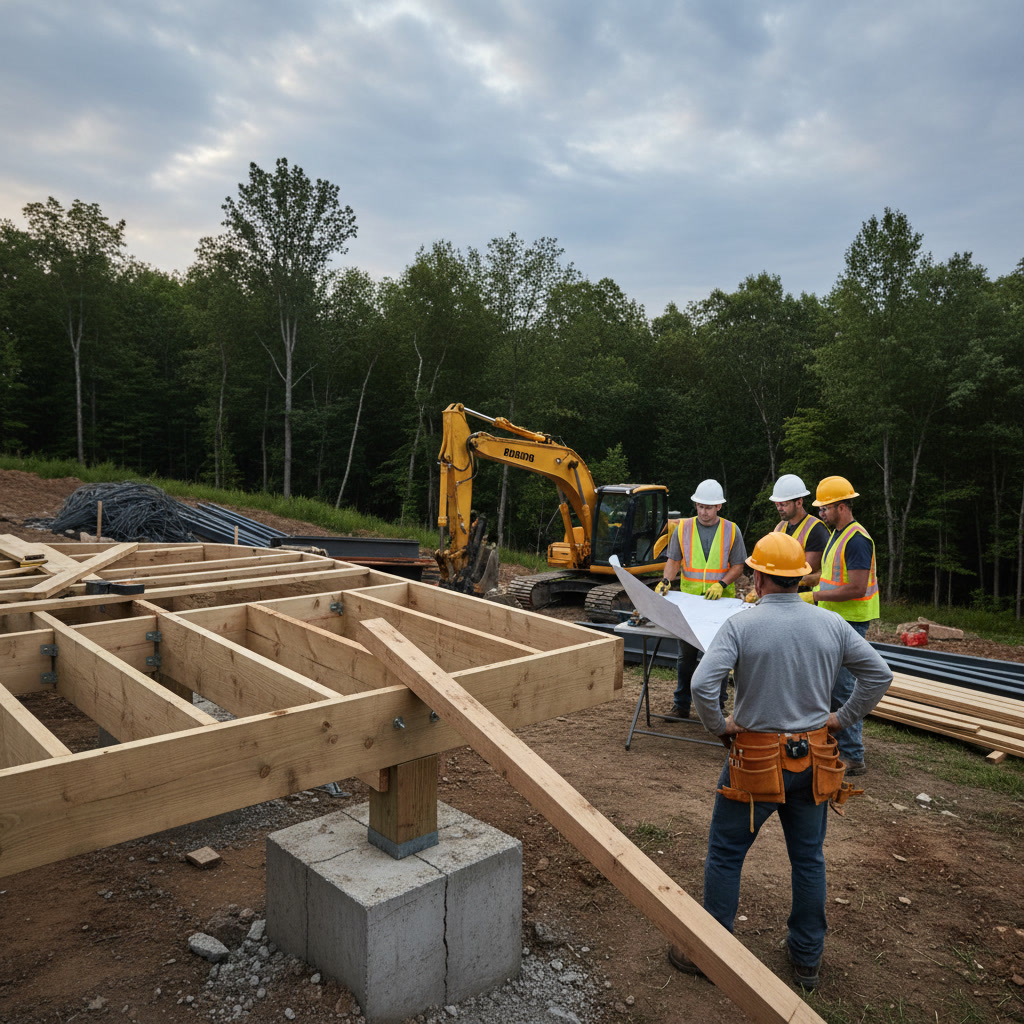
Custom deck construction involves engineering calculations, building codes, and load-bearing requirements beyond typical homeowner knowledge. Improper joist spacing or inadequate footings create collapse risks. Professional deck builders carry liability insurance and understand local inspection requirements that protect your investment.
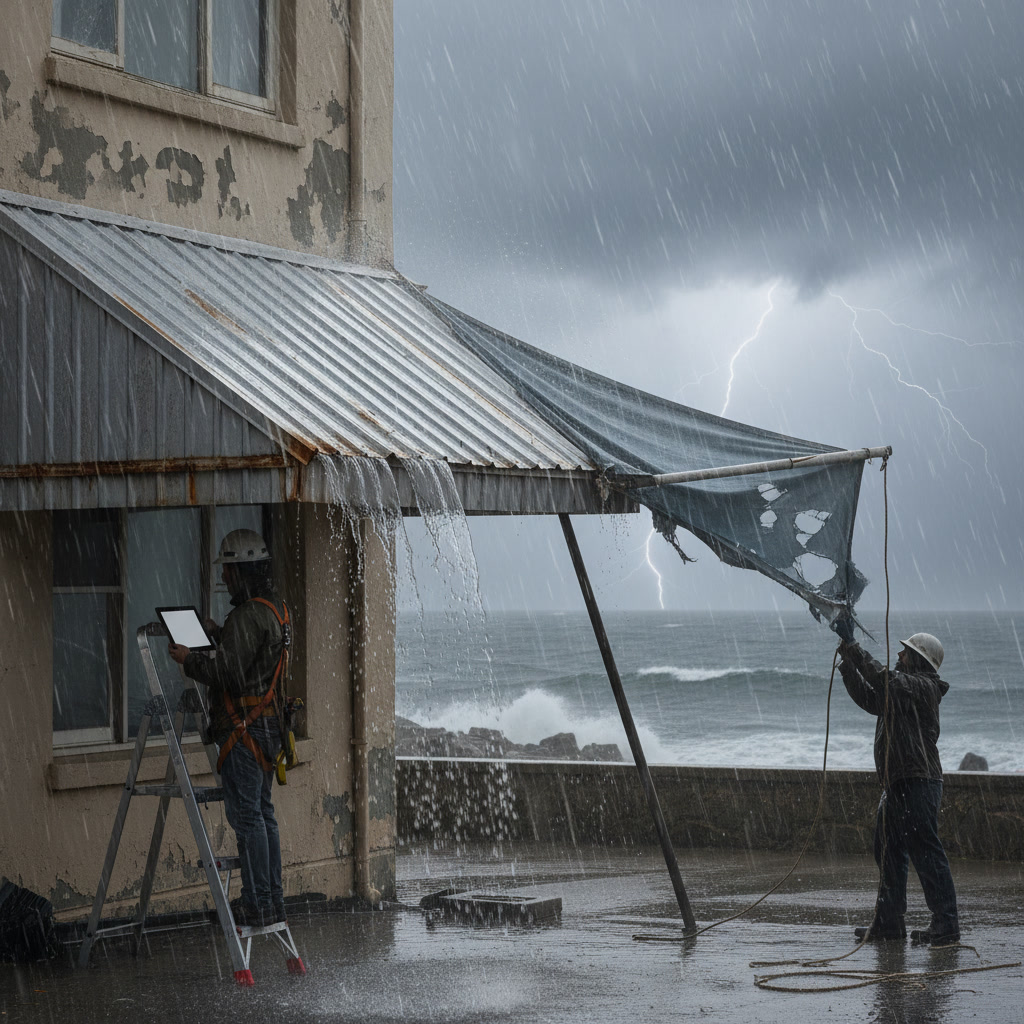
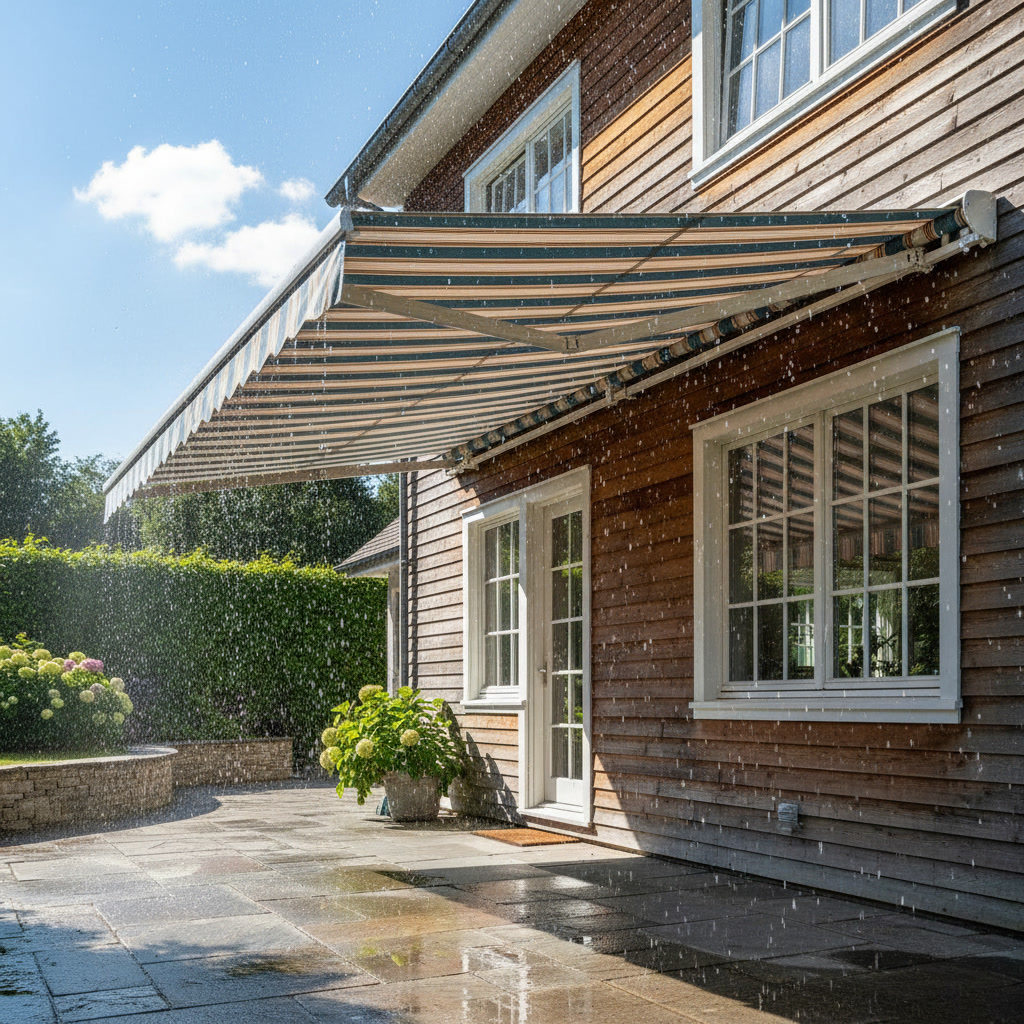
Patio covers and awnings require structural attachments to home exteriors that affect waterproofing and load distribution. Mistakes compromise your home’s envelope, leading to leaks and rot inside walls. The math behind span tables and beam sizing is not intuitive, and errors prove expensive to fix.
Screen rooms and sunrooms integrate with existing structures through complex flashing details and foundation work. These climate-controlled spaces need proper ventilation, insulation values, and window specifications. A professional approach ensures year-round comfort and energy efficiency.
The Hidden Costs of DIY Mistakes
Material waste from incorrect cuts or measurements adds 15 to 30 percent to project budgets. Specialty items like custom-cut glass, pre-finished lumber, or specific fasteners cannot be returned once modified. One major error might erase any labor savings from doing the work yourself.
Permit violations create legal headaches and affect property sales. Many jurisdictions require permits for structures over certain sizes, electrical work, and plumbing modifications. Unpermitted work must often be torn out and rebuilt to code before a home can close escrow.
Injury risks climb sharply with complex projects. Falls from ladders, power tool accidents, and heavy lifting injuries send thousands of homeowners to emergency rooms annually. Professional crews carry workers’ compensation insurance, while your health insurance may not cover injuries from construction activities.
Landscaping Tasks You Can Master in Herber Springs
Basic landscaping maintenance like mowing, trimming, and seasonal planting fits most skill levels. Understanding Arkansas soil conditions and native plant species helps you make smart choices. Local garden centers provide guidance on varieties that thrive in our climate with minimal intervention.
Mulching and edging create clean lines and reduce weed pressure without specialized equipment. A good spade, wheelbarrow, and quality mulch are all you need. Refresh mulch annually to maintain two to three inches of depth for moisture retention.
Installing soaker hoses or basic drip irrigation conserves water while keeping plants healthy through summer heat. These systems use simple connectors and timers available at hardware stores. Avoid underground sprinkler systems, which require trenching, backflow preventers, and zone controllers beyond most DIY capabilities.
Comparing DIY vs Professional Costs and Timeline
A typical DIY deck project might save 40 percent on labor but extend completion time from two weeks to two months. You will spend weekends sourcing materials, renting tools, and troubleshooting problems. Professionals complete work faster with bulk material pricing that sometimes offsets their labor charges.
Consider the value of your free time when calculating savings. If you earn $30 per hour at work and spend 80 hours on a project to save $2,000, your effective hourly return is $25. Factor in the stress of working outside your expertise and the opportunity cost of other activities.
Financing options available through contractors may offer better value than paying cash for DIY materials. Many professionals provide warranties on both materials and workmanship, protecting you from defects that would cost hundreds to remedy on your own.
Garage Doors and Fencing Require Specialized Skills
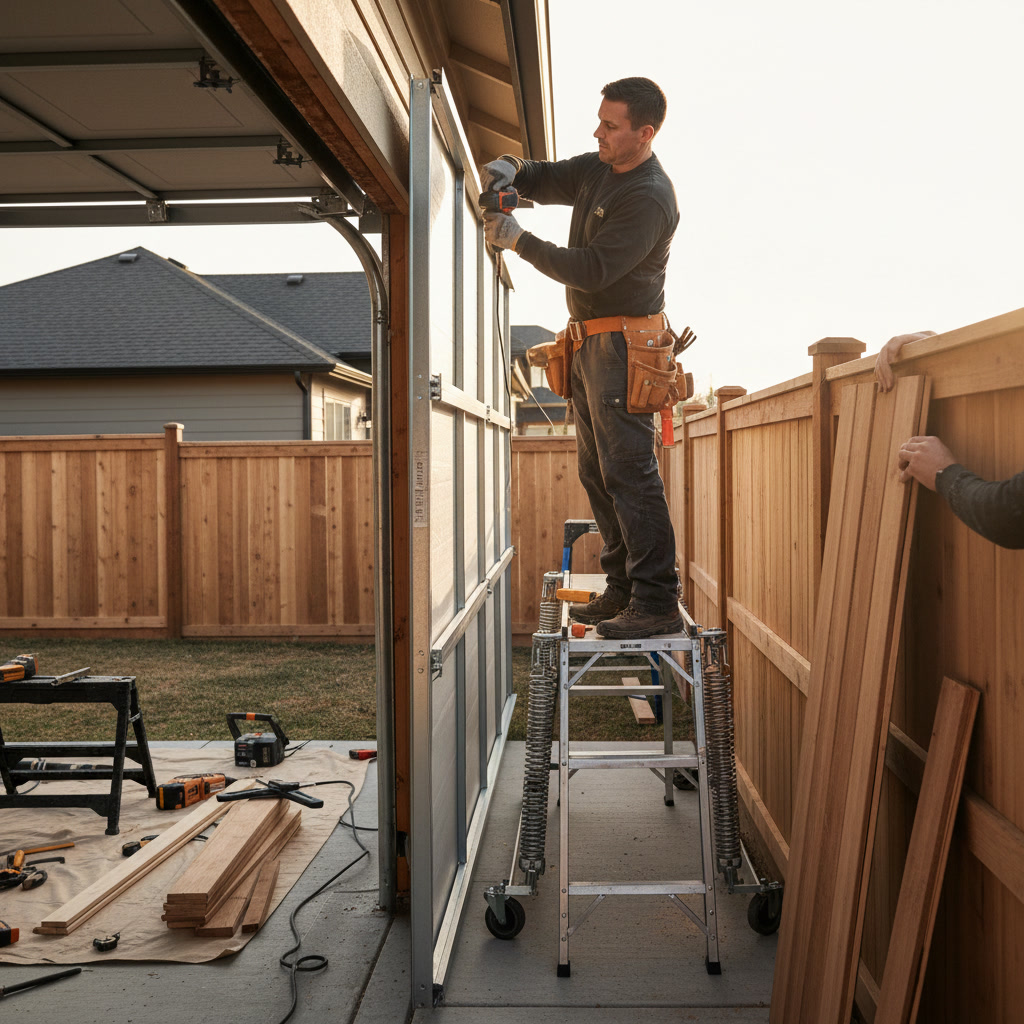
Modern garage door systems involve high-tension springs that store lethal force. These springs require special tools and training to adjust safely. The doors themselves weigh hundreds of pounds and must balance precisely on track systems. Improper installation leads to doors that bind, fail to close, or fall unexpectedly.
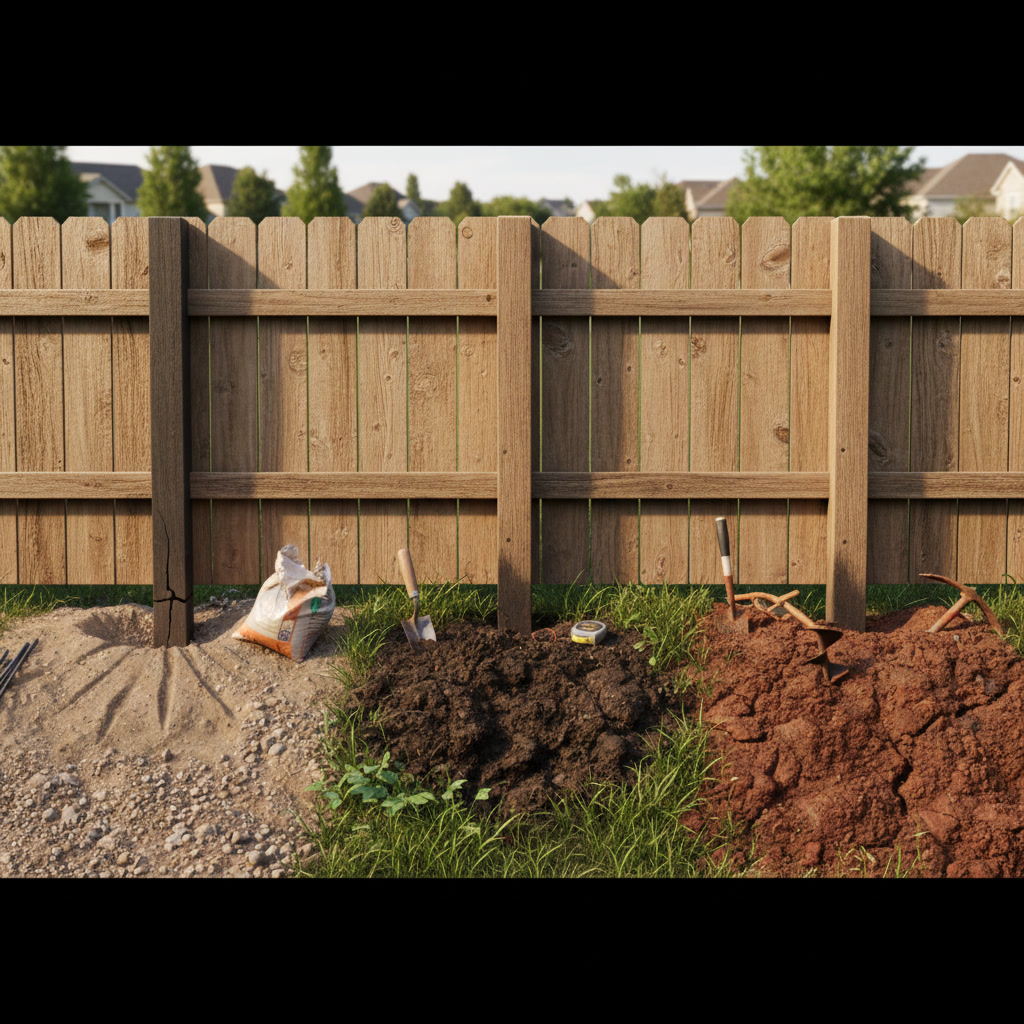
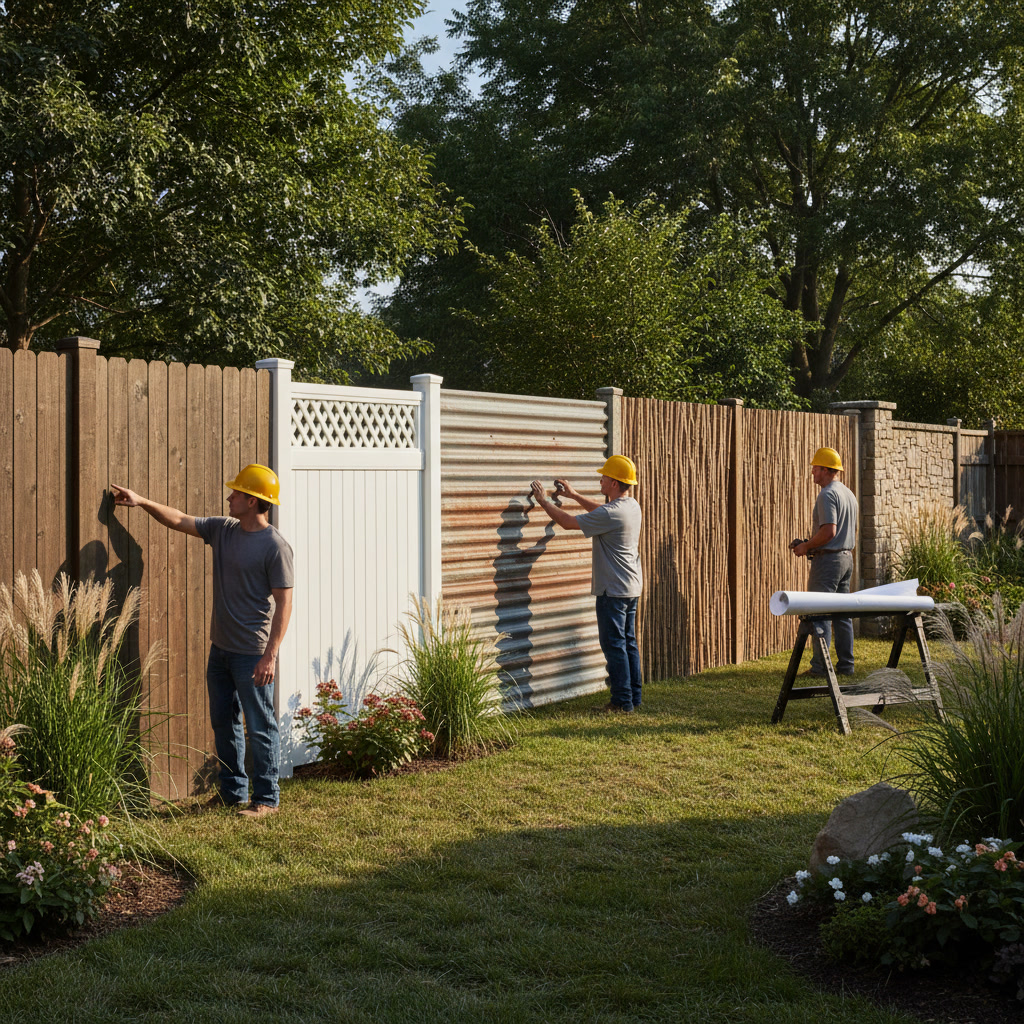
Privacy fencing projects involve property line surveys, post-hole depth regulations, and panel alignment across varied terrain. A 100-foot fence run requires dozens of precisely placed posts that must resist frost heave and wind loads. Professional installers know local soil conditions and use appropriate anchoring methods. You can learn more about privacy fence installation costs in Arkansas to budget accurately for professional work.
Electric gate openers and automated fence hardware add electrical code requirements to the mix. Buried wiring must follow specific depth and conduit rules to prevent accidental damage and electrical hazards.
Water Features and Outdoor Electrical Work
Decorative ponds, fountains, and waterfalls create maintenance obligations many homeowners underestimate. Proper filtration, pump sizing, and liner installation determine whether your feature becomes a beautiful focal point or a mosquito-breeding swamp. Professional designers understand water circulation rates, biological filtration, and winterization requirements.
Any electrical work outdoors requires GFCI protection, weatherproof boxes, and proper wire gauges for the load and distance from the panel. Licensed electricians carry permits and arrange inspections that verify code compliance. A failed DIY electrical job creates fire risks and liability issues that void homeowner insurance policies.
Low-voltage landscape lighting systems offer a safer middle ground for DIY enthusiasts. These 12-volt systems use transformers to step down household current, reducing shock hazards. Installation still requires understanding of wire sizing and connection techniques to prevent voltage drops that dim distant fixtures.
Making Smart Decisions for Your Property
Start with a comprehensive plan that identifies every task required from start to finish. Break the project into phases, separating work you can handle from areas needing professional help. This hybrid approach maximizes your involvement while ensuring quality results.
Obtain multiple quotes from licensed contractors for comparison. Ask about their experience with similar projects, insurance coverage, and warranty terms. Check references and view completed work in person when possible. A contractor with 25 years of experience in outdoor remodeling brings knowledge that prevents common pitfalls and delivers lasting value.
Consider scheduling professional work during off-peak seasons when contractors offer better rates and availability. You can handle preparatory tasks like clearing spaces, removing old materials, or basic demolition to reduce overall costs while leaving skilled work to experts.
Building Outdoor Spaces That Last
Quality outdoor improvements increase daily enjoyment and property value for years. Choosing the right balance between DIY efforts and professional help ensures your project succeeds without overwhelming your budget or schedule. Simple cosmetic updates and maintenance tasks work well for self-directed homeowners, while structural additions, utility work, and complex installations benefit from experienced contractors who guarantee their results.
Herber Springs Awning and Home Improvements has spent over two decades helping Arkansas families create outdoor spaces they love. Whether you need expert guidance on planning your project or full professional installation, our team understands local conditions and building requirements. Call +1 501-362-3727 to discuss your outdoor remodeling goals and get honest advice about which tasks suit DIY approaches and which deserve professional attention.