Planning to add a privacy fence to your Arkansas property brings up one essential question: what will it actually cost? The privacy fence cost in Arkansas varies widely based on materials, size, terrain, and labor, but most homeowners can expect to invest between $15 and $45 per linear foot for a complete installation. Understanding these cost factors helps you budget accurately and choose the right fencing solution for your home.
This guide breaks down everything that affects fence pricing in Central Arkansas, from material choices to installation complexity, so you can make an informed decision about your property investment.
Average Privacy Fence Costs in Arkansas
Privacy fence installation costs in Arkansas typically range from $2,500 to $9,000 for a standard residential project. A typical backyard fence measuring 150 linear feet costs between $2,250 and $6,750, depending on material selection and site conditions.
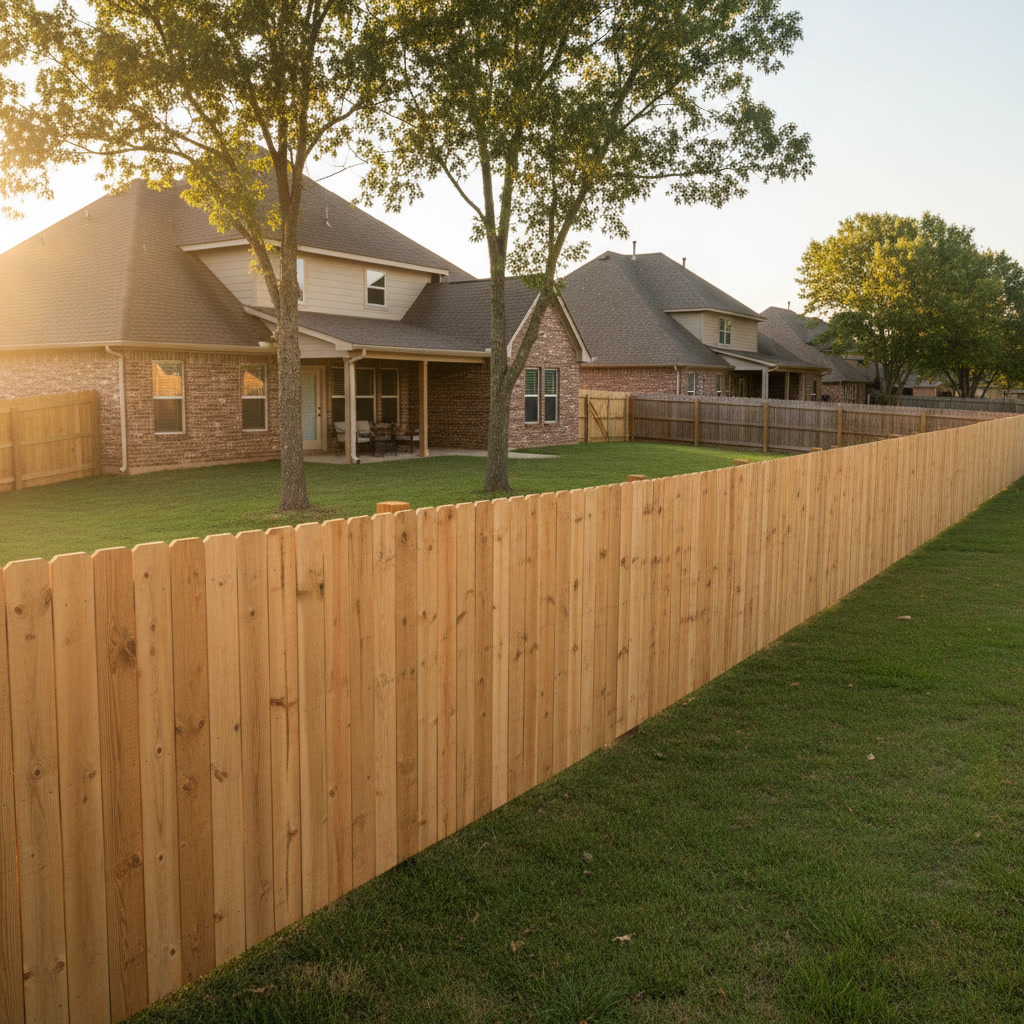
Material choice creates the widest price variation. Pressure-treated pine remains the most affordable option at $15 to $25 per linear foot installed. Cedar and redwood fall in the middle range at $25 to $35 per linear foot. Vinyl and composite materials command premium prices, running $30 to $45 per linear foot but offering longer lifespans and minimal maintenance.
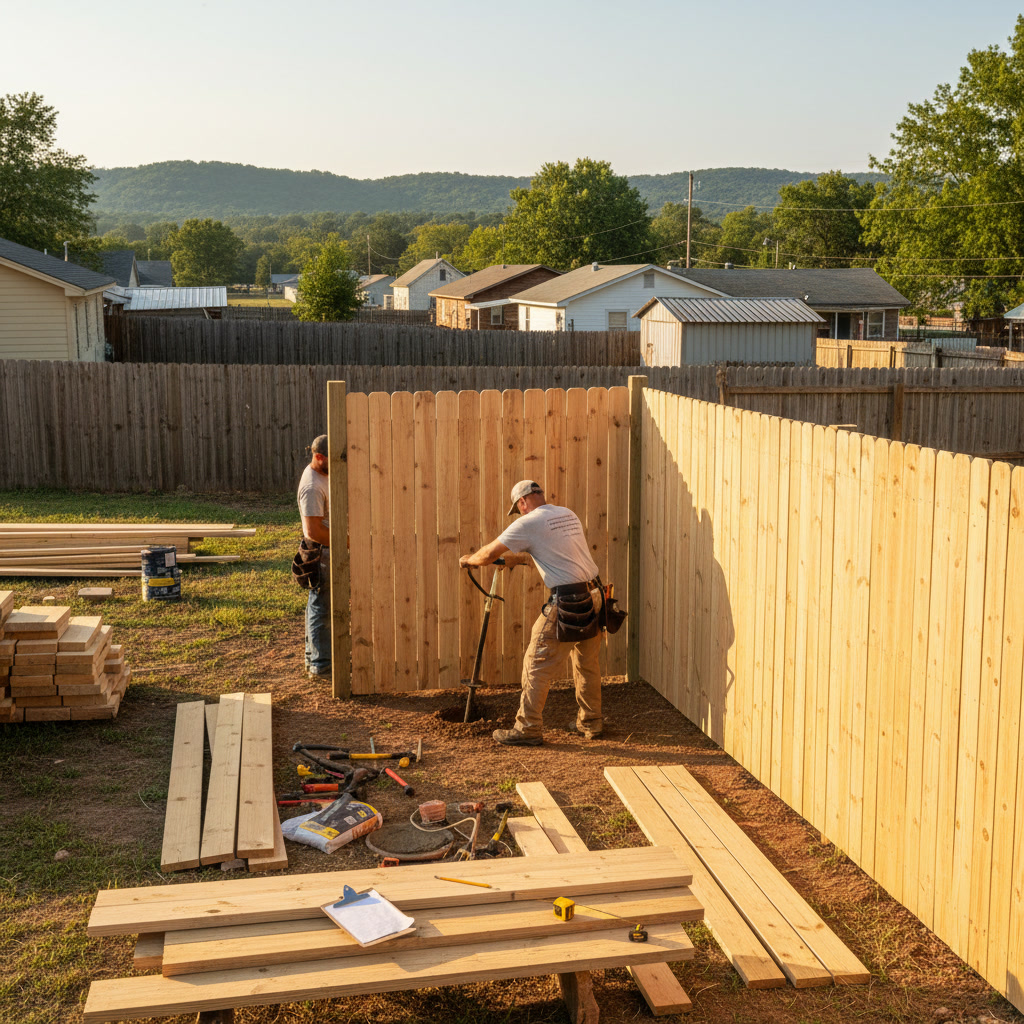
Labor accounts for roughly 40 to 50 percent of total project cost in most Arkansas installations. Professional installation ensures proper post setting, level panels, and structural integrity that DIY projects often lack.
Material Options and Their Price Points
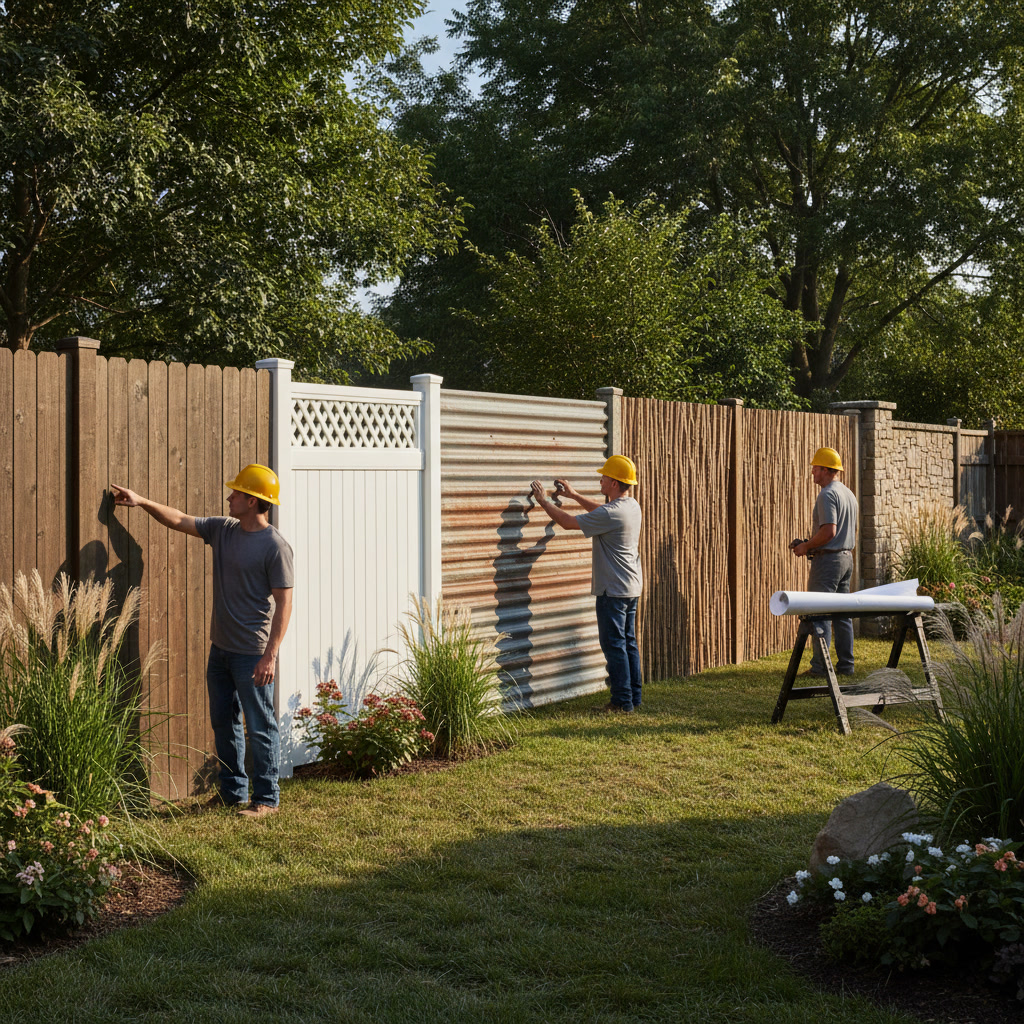
Each fencing material offers distinct advantages and price structures. Your choice affects not just the upfront privacy fence cost but also long-term maintenance expenses and replacement timelines.
Wood Fencing
Pressure-treated pine dominates Arkansas installations due to its balance of cost and durability. At $15 to $25 per linear foot, it provides solid privacy and typically lasts 15 to 20 years with proper maintenance. The wood accepts stain and paint well, letting you customize appearance.
Cedar and redwood offer natural rot resistance and attractive grain patterns. These premium woods cost $25 to $35 per linear foot but can last 20 to 30 years. They weather to a silver-gray patina unless sealed regularly.
Vinyl Fencing
Vinyl fencing runs $30 to $40 per linear foot installed and eliminates painting, staining, and rot concerns. Quality vinyl resists Arkansas humidity and temperature swings while maintaining its appearance for 20 to 30 years. White and tan remain the most common colors, though gray and woodgrain textures are increasingly available.
The higher initial investment pays dividends through eliminated maintenance costs. Occasional washing with a garden hose keeps vinyl looking fresh.
Composite Fencing
Composite materials blend wood fibers and plastic polymers, creating fences that mimic wood appearance without the maintenance. Pricing ranges from $35 to $45 per linear foot. These products resist fading, splitting, and insect damage while offering realistic wood textures and varied color options.
Composite fencing performs exceptionally well in Arkansas climate conditions, handling humidity and temperature fluctuations without warping or degrading.
Pro Tip: Calculate total ownership cost over 20 years, not just installation price. A $4,000 vinyl fence requires minimal upkeep, while a $2,500 wood fence might need $200 in annual staining and repairs, adding $4,000 in maintenance costs over two decades.
Factors That Affect Your Final Cost
Several variables beyond material selection influence what you’ll pay for privacy fence installation in Arkansas.
Fence Height and Style
Standard privacy fences stand six feet tall, but eight-foot panels add 25 to 35 percent to material and labor costs. Decorative tops, lattice sections, or custom designs increase pricing further. Simple board-on-board or shadowbox styles offer good value, while intricate patterns demand higher labor investment.
Terrain and Site Conditions
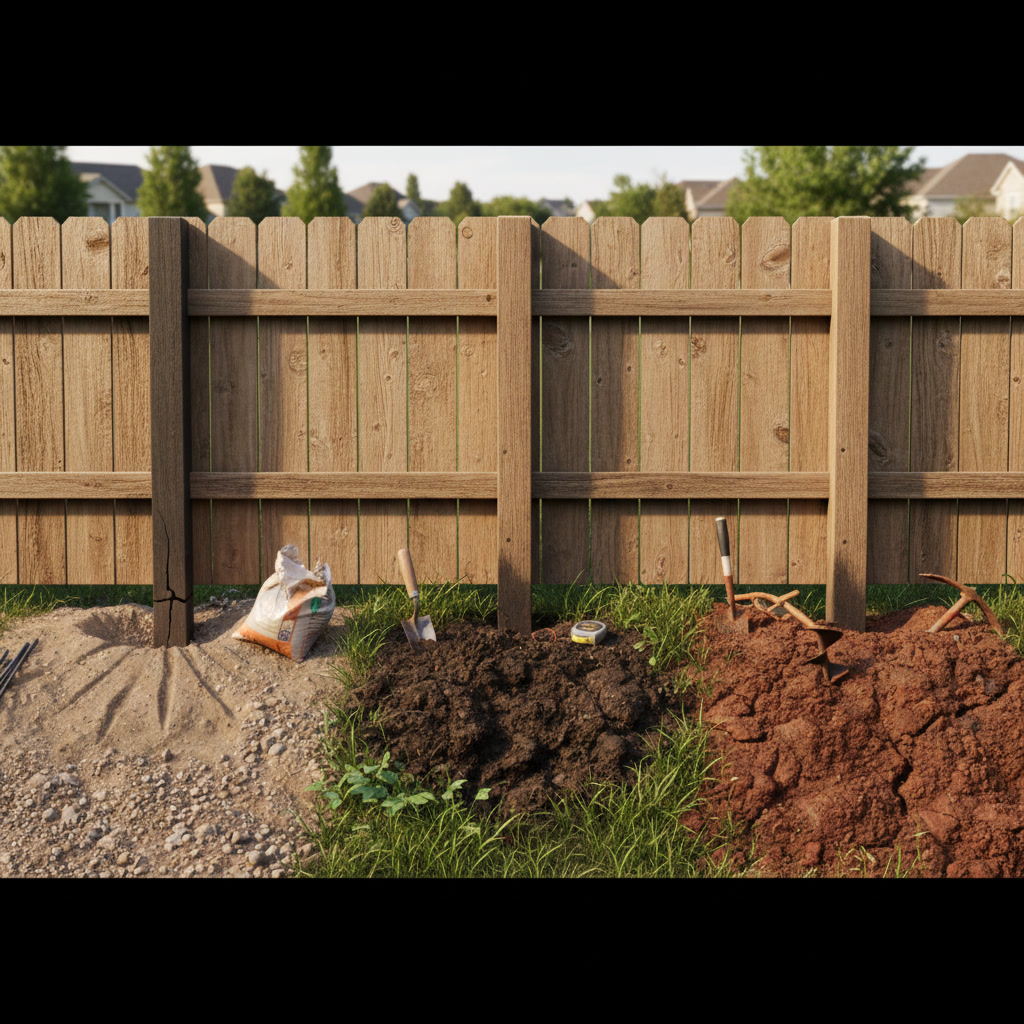
Level lots keep costs at baseline estimates. Sloped terrain requires stepped or racked installations that increase labor time and material waste. Rocky soil or areas with significant tree roots add excavation challenges, potentially requiring augered post holes rather than standard digging.
Sites in Searcy, Conway, and surrounding Central Arkansas communities often feature varied topography that impacts installation complexity.
Gates and Access Points
Single gates add $200 to $400 to project totals, while double gates for vehicle access run $400 to $800. Quality hinges, latches, and proper gate frame construction prevent sagging and ensure years of smooth operation.
Permits and Regulations
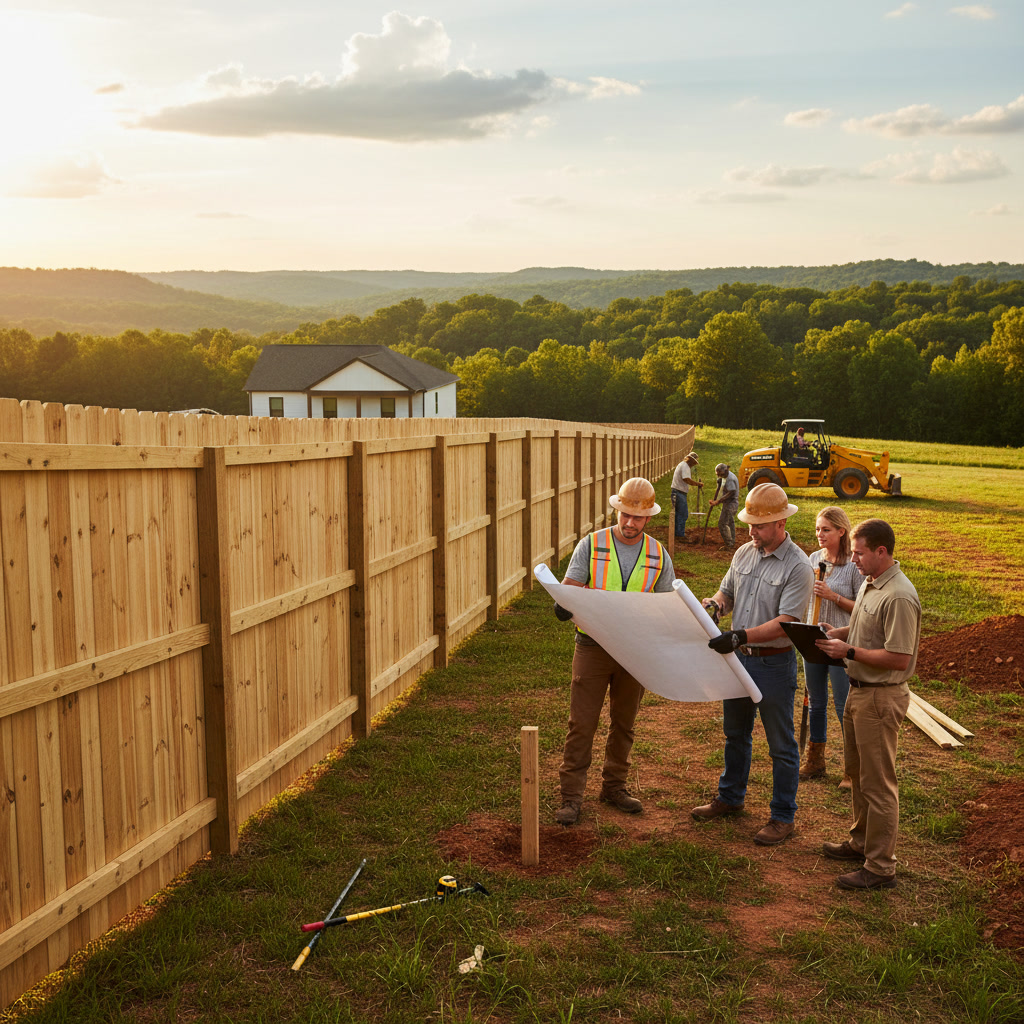
Many Arkansas municipalities require permits for fence installation, typically costing $50 to $150. Local regulations may restrict height, setback from property lines, or placement near easements. Professional installers handle permit acquisition and ensure compliance with local codes.
Additional Cost Considerations
Smart planning accounts for expenses beyond basic fence installation that can affect your budget.
Old Fence Removal
Removing existing fencing adds $3 to $5 per linear foot to your project. This includes demolition, debris hauling, and disposal fees. Some contractors bundle removal with installation at reduced rates.
Land Clearing and Preparation
Overgrown vegetation, brush removal, or grading work increases site preparation costs. Budget an additional $200 to $800 for clearing work on lots with significant vegetation or uneven ground.
Property Survey
Installing fence on the wrong property line creates expensive disputes. Professional surveys cost $300 to $600 but provide certainty about boundary locations. Many homeowners find existing survey markers sufficient, but verify accuracy before breaking ground.
Staining and Finishing
Wood fences benefit from immediate sealing or staining, adding $1 to $3 per linear foot for materials and application. This upfront investment extends fence life and enhances appearance from day one.
Cost Comparison by Project Size
Understanding pricing at different scales helps you estimate your specific project. These figures assume standard six-foot privacy fence using common materials:
A 50-linear-foot section costs $750 to $2,250. This size typically encloses a small backyard area or creates privacy around a patio. Projects this size work well for targeted privacy screening rather than full perimeter fencing.
A 100-linear-foot installation runs $1,500 to $4,500. This length suits medium backyards or wraps around two or three sides of a property. Most contractors find this the sweet spot for efficient installation scheduling.
A 200-linear-foot project costs $3,000 to $9,000. This typically encloses a full residential lot perimeter or creates substantial privacy for larger properties common in Batesville and Cabot areas.
Properties exceeding 200 linear feet often qualify for volume pricing discounts. Discuss pricing breaks with your contractor for larger installations.
Key Takeaway: Get detailed written estimates that specify material grade, installation methods, warranty coverage, and completion timeline. Quality contractors provide itemized quotes that let you understand exactly where your money goes.
DIY vs Professional Installation
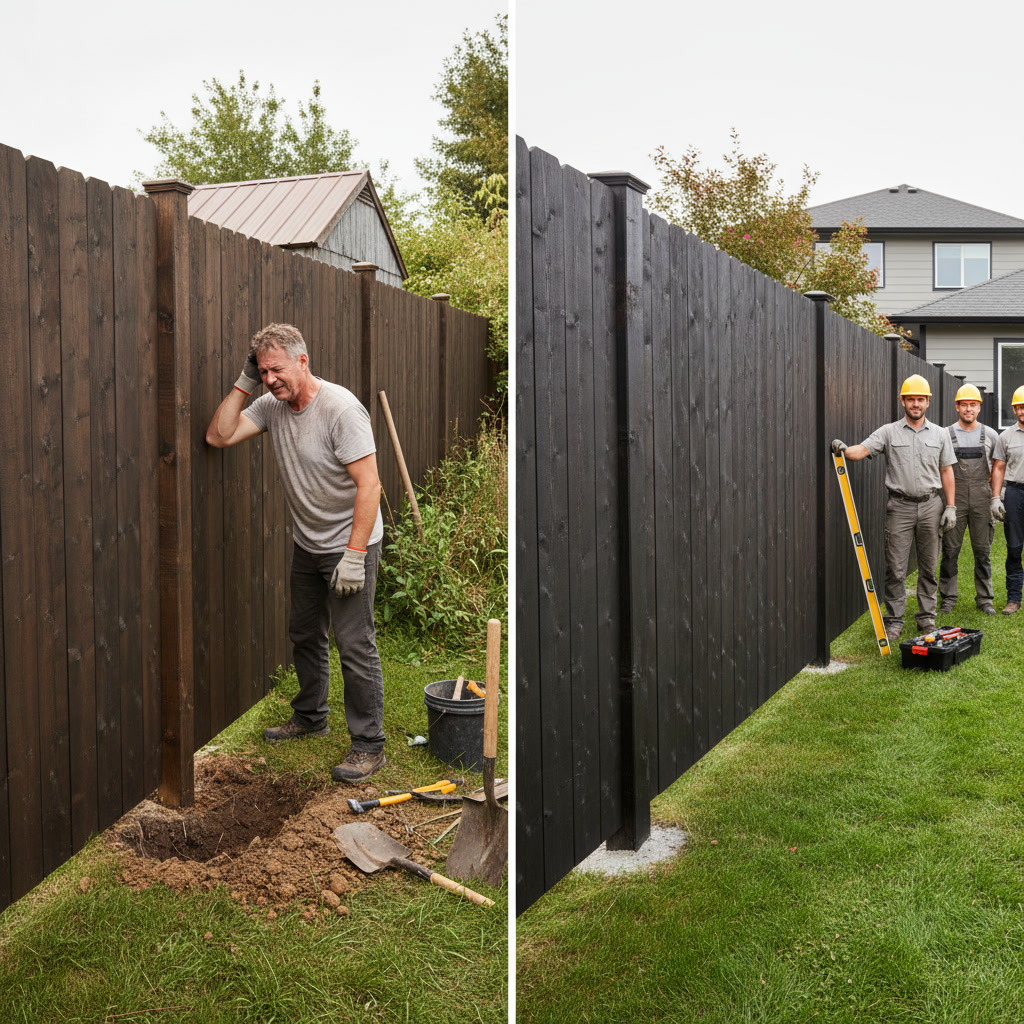
Homeowners comfortable with construction projects can reduce privacy fence cost through DIY installation, potentially saving 40 to 50 percent on labor. However, fence installation demands specific skills and equipment that affect final results.
Successful DIY installation requires post hole diggers or augers, levels, string lines, concrete mixing capability, and carpentry skills. Posts must be set at precise depths with proper concrete anchoring. Panels need level installation despite ground variations, and gates require careful alignment for smooth operation.
Most DIY projects take significantly longer than professional installations. What a crew completes in one or two days might consume several weekends for homeowners. Time investment matters when considering the true cost of DIY work.
Professional installation from experienced companies like Herber Springs Awning and Home Improvements brings 25 years of expertise to your project. Proper techniques, efficient scheduling, and warranty coverage offset the labor investment. When you factor in tool rental, material waste from mistakes, and time value, professional installation often proves cost-effective.
How to Reduce Privacy Fence Costs
Several strategies help manage expenses without sacrificing quality or longevity.
Choose standard materials and simple designs. Straightforward board-on-board or solid panel styles install faster than intricate patterns. Pressure-treated pine offers excellent value for budget-conscious projects.
Install fence during off-peak seasons. Late fall through early spring often brings lower contractor scheduling pressure, potentially yielding better pricing. Avoid peak spring and early summer months when demand drives prices higher.
Consider partial privacy fencing. Installing solid privacy panels only where needed for screening, then using less expensive styles elsewhere, reduces overall costs while maintaining function. Many homeowners fence their backyard for privacy but use simpler options along side yards.
Handle site preparation yourself. Clearing vegetation, marking the fence line, and removing old fencing reduces the labor contractors must provide. Verify which preparation tasks your installer allows without voiding warranties.
If you’re planning multiple outdoor projects, combining services can yield savings. Many homeowners who install patio covers or complete outdoor remodeling projects coordinate with privacy fencing to negotiate package pricing.
Maintenance Costs Over Time
Long-term ownership costs vary dramatically by material choice and directly affect the true value of your privacy fence investment.
Wood fences require regular maintenance. Plan to clean and reseal or stain every two to three years at $200 to $400 per application for typical residential installations. Damaged boards need replacement over time. Total maintenance typically runs $100 to $200 annually when averaged across the fence lifespan.
Vinyl fencing needs occasional washing but no sealing, staining, or painting. Annual maintenance costs stay under $50 for most properties. Damaged panels require full section replacement rather than board-by-board repairs, but quality vinyl rarely sustains damage under normal conditions.
Composite fencing mirrors vinyl in maintenance simplicity. Washing removes dirt and pollen buildup. No other regular maintenance applies. These materials justify their higher initial privacy fence cost through eliminated ongoing expenses.
Factor maintenance into your decision-making process. A material saving $2,000 upfront but costing $200 annually in upkeep becomes more expensive after 10 years than a maintenance-free option with higher installation cost.
Frequently Asked Questions
How long does privacy fence installation take in Arkansas?
Most residential privacy fence installations take one to three days depending on length and site complexity. A straightforward 150-linear-foot installation on level ground typically completes in one or two days. Sloped terrain, extensive clearing needs, or complex designs extend timelines. Weather delays occasionally push completion into additional days during wet periods.
Do I need a permit to install a privacy fence in Arkansas?
Permit requirements vary by municipality. Many cities and counties in Central Arkansas require permits for fences exceeding certain heights, typically six feet. Setback regulations often restrict how close fencing can sit to property lines or easements. Contact your local building department or work with a professional installer who handles permit acquisition as part of their service.
What fence height provides the best privacy in Arkansas?
Six-foot fencing provides excellent privacy for most residential applications, blocking sightlines from ground level while remaining within standard permit allowances. Eight-foot fencing offers maximum privacy but costs more and may face stricter permit requirements. Verify local height restrictions before finalizing plans, as some municipalities cap residential fencing at six feet.
How does Arkansas weather affect fence material choice?
Arkansas experiences hot, humid summers and occasional severe weather including high winds and ice storms. Wood fencing requires quality sealant to prevent moisture damage and rot in our climate. Vinyl and composite materials handle humidity exceptionally well without degrading. All materials should be properly installed with concrete footings to withstand wind loads common in Central Arkansas.
Can I install a privacy fence on a sloped lot?
Yes, sloped lots accommodate privacy fencing using stepped or racked installation methods. Stepped installations create level fence sections that descend in stages following the slope. Racked installations angle panels to follow grade continuously. Both approaches work well but increase labor complexity and material requirements, raising costs 15 to 30 percent compared to level ground installation.
Making Your Privacy Fence Investment
Understanding privacy fence cost in Arkansas helps you budget appropriately and choose materials that align with your needs and property characteristics. Whether you select economical pressure-treated wood or invest in low-maintenance vinyl, proper installation ensures years of privacy, security, and property value enhancement.
Quality installation matters as much as material selection. Working with experienced professionals ensures proper post setting, level panels, and structural integrity that protects your investment for decades.
Herber Springs Awning and Home Improvements brings 25 years of experience to every privacy fencing project throughout Central Arkansas. Our team serves homeowners in Herber Springs, Conway, Batesville, Searcy, and surrounding communities with quality craftsmanship and detailed attention to your specific needs. Contact us at +1 501-362-3727 to discuss your privacy fence project and receive a detailed estimate tailored to your property.