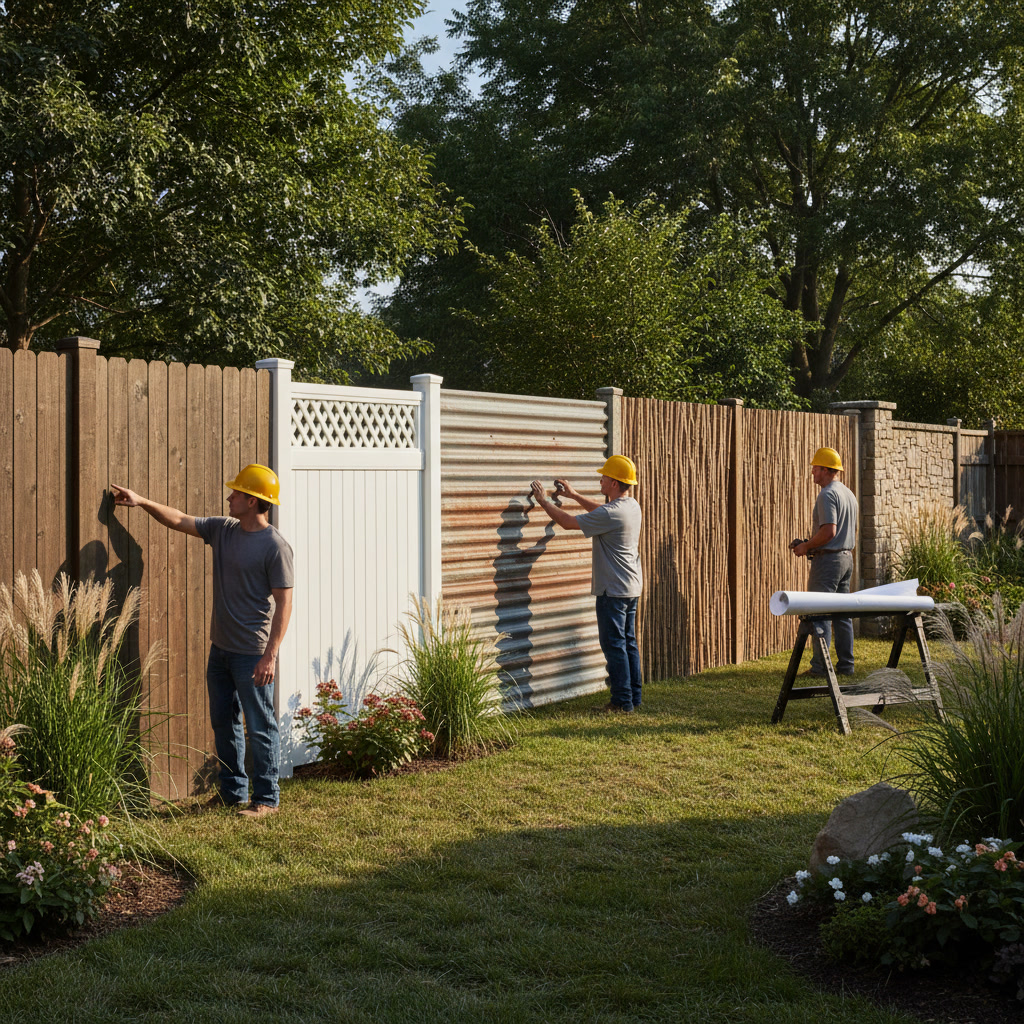
The stability of any privacy fence depends heavily on the ground beneath it. Different soil types require distinct installation methods, post depths, and reinforcement techniques. Understanding soil type fence installation principles helps prevent leaning, shifting, and premature failure that can cost thousands in repairs. Clay, sand, loam, and rocky soils each present unique challenges that determine whether your fence will stand strong for decades or require frequent maintenance.
Why Ground Composition Matters for Fence Longevity
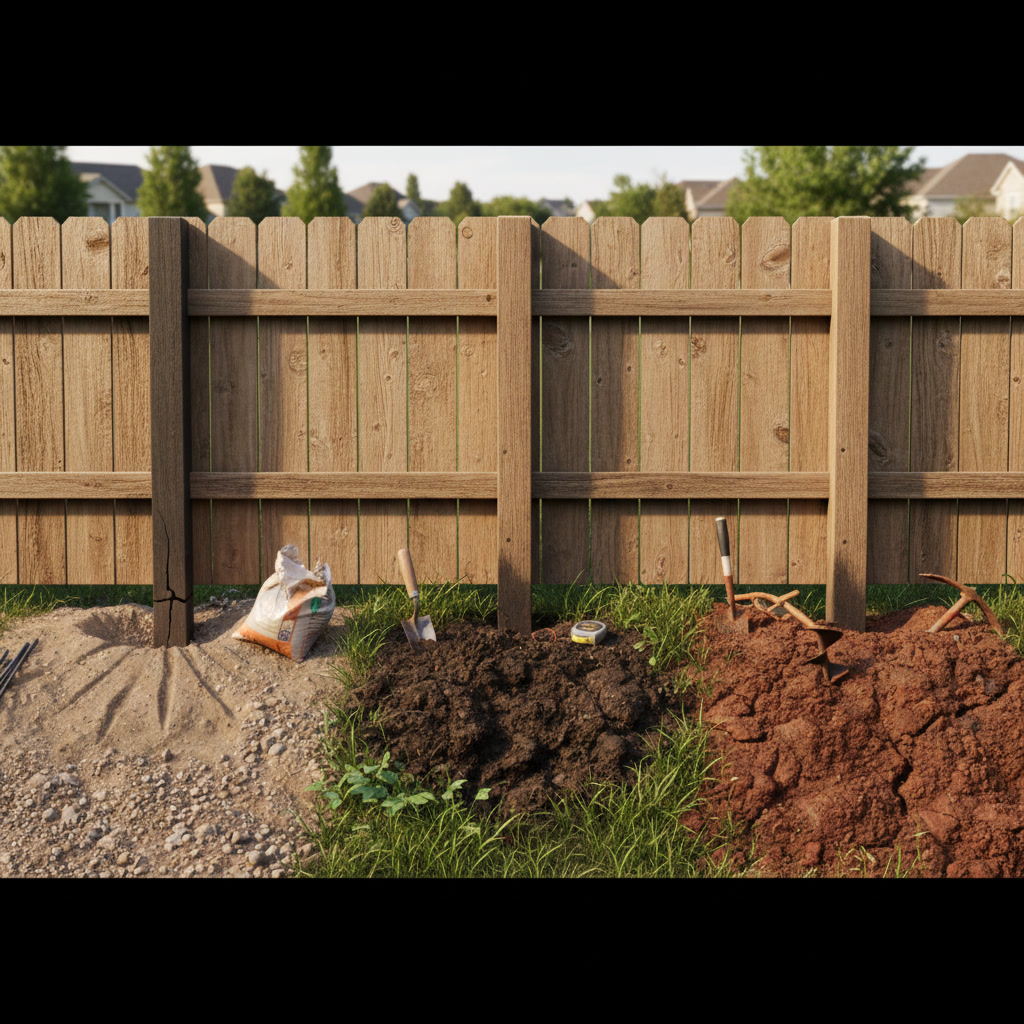
Soil acts as the anchor for every fence post on your property. When installers ignore ground conditions, posts shift as the earth expands, contracts, and drains water at different rates. Clay soils expand when wet and shrink when dry, creating movement that loosens posts over time. Sandy soils drain quickly but offer poor grip, allowing posts to wobble. Rocky ground provides excellent stability but requires specialized equipment to dig proper holes.
Professional installers assess soil before beginning work, often digging test holes to examine composition at the depth where posts will sit. This step reveals whether you need deeper holes, concrete reinforcement, or gravel drainage systems. Skipping this assessment leads to the most common fence failure: posts that heave out of the ground during freeze-thaw cycles or tip during heavy wind.
Identifying Your Property’s Soil Type
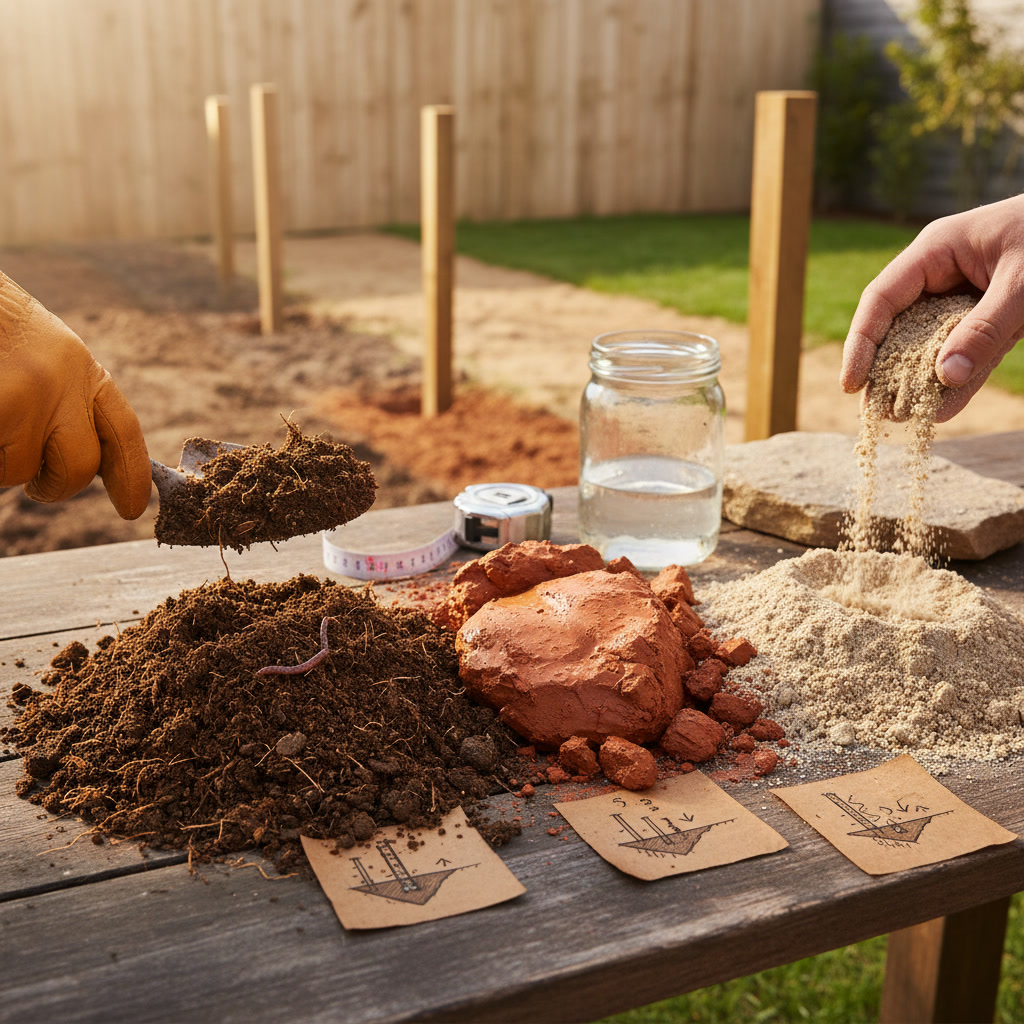
Most residential properties contain one of four primary soil types, each with distinct characteristics. Clay soil feels sticky when wet and forms hard clumps when dry. It holds water poorly, creating drainage issues that can rot wood posts or cause metal posts to shift. Sandy soil feels gritty and drains water quickly, almost too quickly to support vertical structures without proper anchoring.
Loam combines sand, silt, and clay in balanced proportions. It crumbles easily in your hand and provides the best natural conditions for fence installation. Rocky soil contains significant stone content mixed with finer particles. While challenging to dig, it offers excellent long-term stability once posts are properly set. You can identify your soil type by digging a small hole 18 inches deep and examining the material. The texture, color, and moisture retention tell you what you’re working with.
Clay Soil Installation Techniques
Clay presents the most challenging conditions for privacy fencing because it expands and contracts dramatically with moisture changes. Posts set in pure clay without proper drainage will shift within two to three years. The solution involves digging holes at least six inches wider than standard and 12 inches deeper than typical frost line requirements.
After setting the post, fill the bottom third of the hole with gravel to create a drainage layer. This prevents water from pooling around the post base, which causes rot in wood and frost heave in winter. The middle third gets filled with concrete mixed slightly wetter than normal, allowing it to flow around the post and displace air pockets. The top six inches should be native soil sloped away from the post to direct surface water elsewhere.
For clay-heavy areas in Searcy, AR, consider using steel posts instead of wood. Steel resists the rotting that occurs when clay holds moisture against organic materials. The additional cost pays for itself in reduced maintenance over the fence’s lifetime.
Sandy Soil Requires Deeper Anchoring
Sand drains beautifully but grips poorly. Standard installation depths that work in clay or loam fail in sandy conditions because the soil particles don’t compact tightly around posts. The remedy is simple but labor-intensive: dig every post hole 50 percent deeper than you would in other soil types. A standard 24-inch hole in clay becomes a 36-inch hole in sand.
Concrete becomes essential in sandy soil, but the mix ratio matters. Use a drier concrete mix that creates friction against the surrounding sand rather than a wet mix that might allow the entire concrete collar to shift. Some installers add horizontal cross-bracing below ground, creating a T-shaped anchor that physically can’t pull straight up through loose sand.
Working with Loam and Mixed Soils
Loam provides ideal conditions for fence installation, requiring only standard techniques. Post holes should extend below the frost line, typically 30 to 36 inches in Arkansas. You can set posts in tamped soil alone for lighter fences, though concrete remains the better choice for privacy fencing that catches wind.
Mixed soils that combine loam with clay or sand pockets require assessment at each post location. Properties with varying soil types across the fence line need customized installation at different points. A fence that runs from high ground to low ground might cross three distinct soil zones, each needing different hole depths or concrete amounts.
Rocky Ground and Caliche Layers in Herber Springs
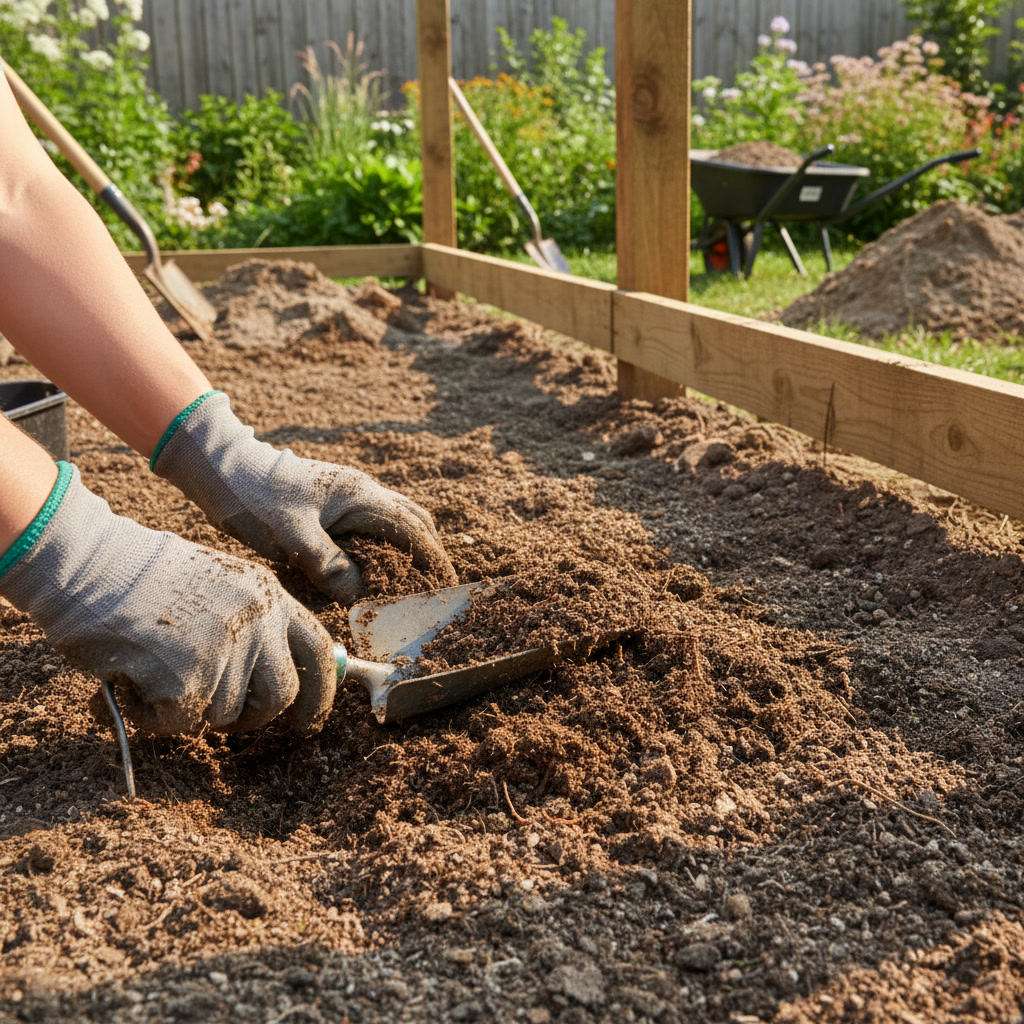
Rocky soil creates installation challenges but offers superior long-term stability. In the Herber Springs area, many properties contain limestone fragments or caliche layers that form natural concrete just below the surface. These conditions require specialized augers or occasionally jackhammers to reach proper post depth.
When you hit rock at 18 inches but need posts at 30 inches, you have three options. First, use a rock auger or hire professionals with hydraulic equipment to bore through. Second, set posts at the maximum achievable depth and reinforce with angled bracing posts that distribute load. Third, for extremely rocky sites, consider surface-mounted posts with large concrete footings, though this works only for specific fence styles.
Herber Springs Awning and Home Improvements encounters these conditions frequently and maintains equipment specifically for drilling through the region’s rocky substrate. The initial cost of proper installation is recovered many times over through reduced maintenance needs.
Drainage Considerations by Soil Type
Water movement through soil directly impacts fence stability. Clay holds water, creating saturation that weakens post anchoring and accelerates wood decay. Every clay-soil installation needs drainage gravel at the post base and French drains along the fence line in low-lying areas. Sandy soil drains so quickly that posts can settle as fine particles wash away during heavy rain.
Loam drains moderately well but still benefits from gravel collars around posts in areas where landscaping irrigation or downspouts direct water toward the fence line. Rocky soil drains excellently but may channel water along impermeable layers, creating unexpected erosion under fence sections. Proper grading during installation prevents these issues before they start.
Frost Heave and Seasonal Soil Movement
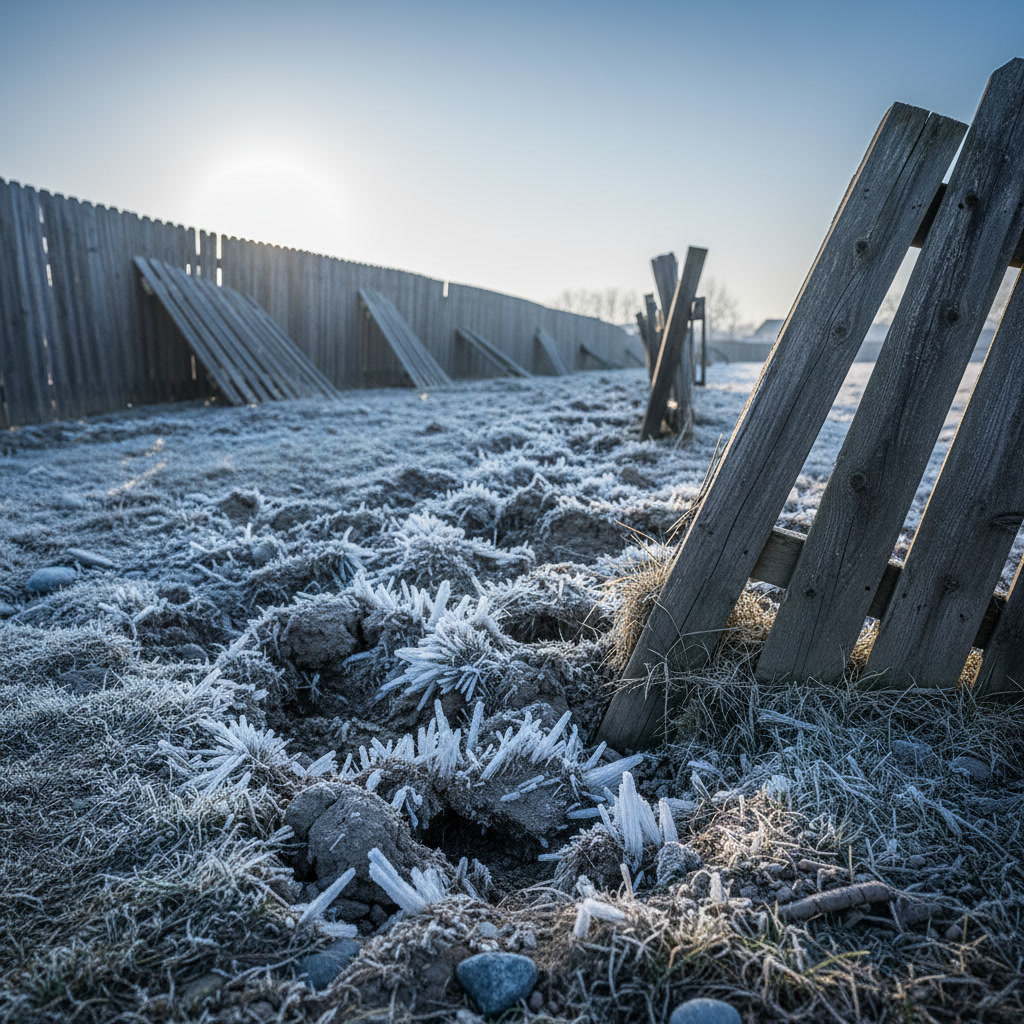
Arkansas experiences freeze-thaw cycles that affect fence stability differently depending on soil type. When water in soil freezes, it expands with tremendous force, literally pushing posts upward. Clay soils with poor drainage suffer the worst frost heave because they retain moisture that freezes. Over several seasons, posts can rise three to four inches out of the ground, loosening the entire fence structure.
The solution involves setting posts below the frost line, approximately 30 to 36 inches in central Arkansas, and ensuring proper drainage prevents water accumulation at that depth. Sandy soils rarely experience significant frost heave because water drains before freezing. Rocky soils prevent heave through mechanical interference, as the post concrete locks against immovable stone.
Post Material Selection Based on Soil Conditions
Soil type should influence whether you choose wood, vinyl, steel, or composite posts. Wood posts in clay soil face accelerated rot unless treated lumber rated for ground contact gets used exclusively. Even treated posts benefit from gravel drainage and concrete collars that minimize direct soil contact. Cedar and redwood naturally resist rot better than pine but cost significantly more.
Steel posts excel in problematic clay soils where moisture causes issues. Vinyl posts work well in any soil type but require deeper setting in sand because they flex more than wood or steel under wind load. Composite posts combine wood fiber and plastic, offering rot resistance similar to vinyl with rigidity closer to wood. Understanding wood versus vinyl fence options helps you make informed material choices based on your specific soil conditions.
Professional Assessment Saves Money Long-Term
Attempting soil type fence installation without proper assessment leads to predictable failures. Homeowners who dig standard-depth holes in sandy soil watch their fences lean within months. Those who skip drainage in clay deal with rotted posts within five years. Professional installers conduct soil tests, adjust techniques accordingly, and warranty their work because they know the installation will last.
The cost difference between amateur installation and professional work typically runs 30 to 50 percent higher for professional service. That premium buys proper depth, appropriate concrete use, drainage systems, and techniques specific to your soil. When you factor in the cost of rebuilding a failed fence, professional installation costs less over the fence’s lifetime. Companies with 25 years of experience have seen every soil condition and know exactly how to address each one.
Building Your Fence on Solid Ground
Matching installation methods to soil type determines whether your fence stands strong for decades or requires constant repair. Clay needs drainage and concrete. Sand demands extra depth and dry-mix concrete. Loam accepts standard techniques. Rocky ground requires specialized equipment but provides excellent stability. Every property presents unique conditions that professional assessment identifies before installation begins.
Herber Springs Awning and Home Improvements has spent 25 years installing fences across every soil type in central Arkansas. Our crews assess ground conditions at your property, adjust installation techniques accordingly, and build fences engineered for long-term stability. Whether your project involves privacy fencing, outdoor remodeling, or complete landscape transformation, proper installation starts with understanding what lies beneath the surface. Call +1 501-362-3727 to schedule a site assessment and get your fence project started on solid ground.