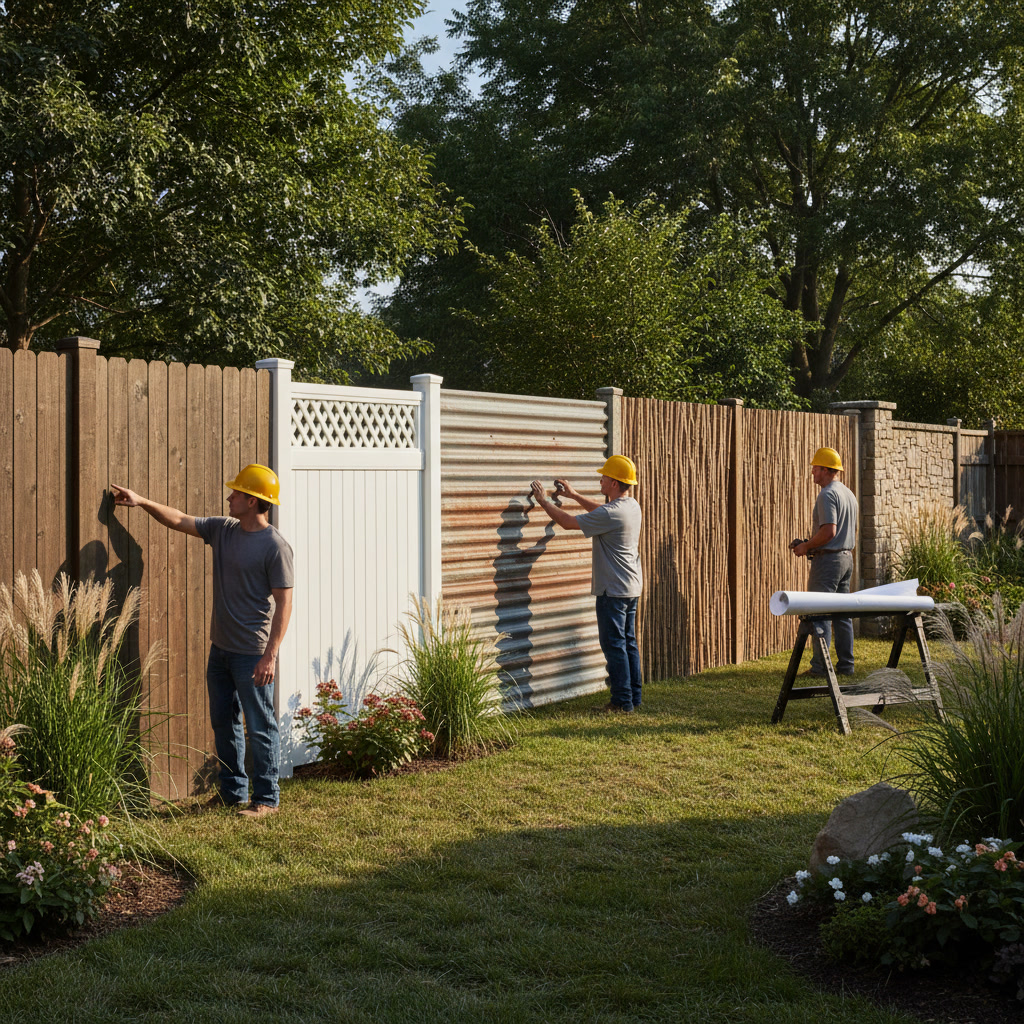
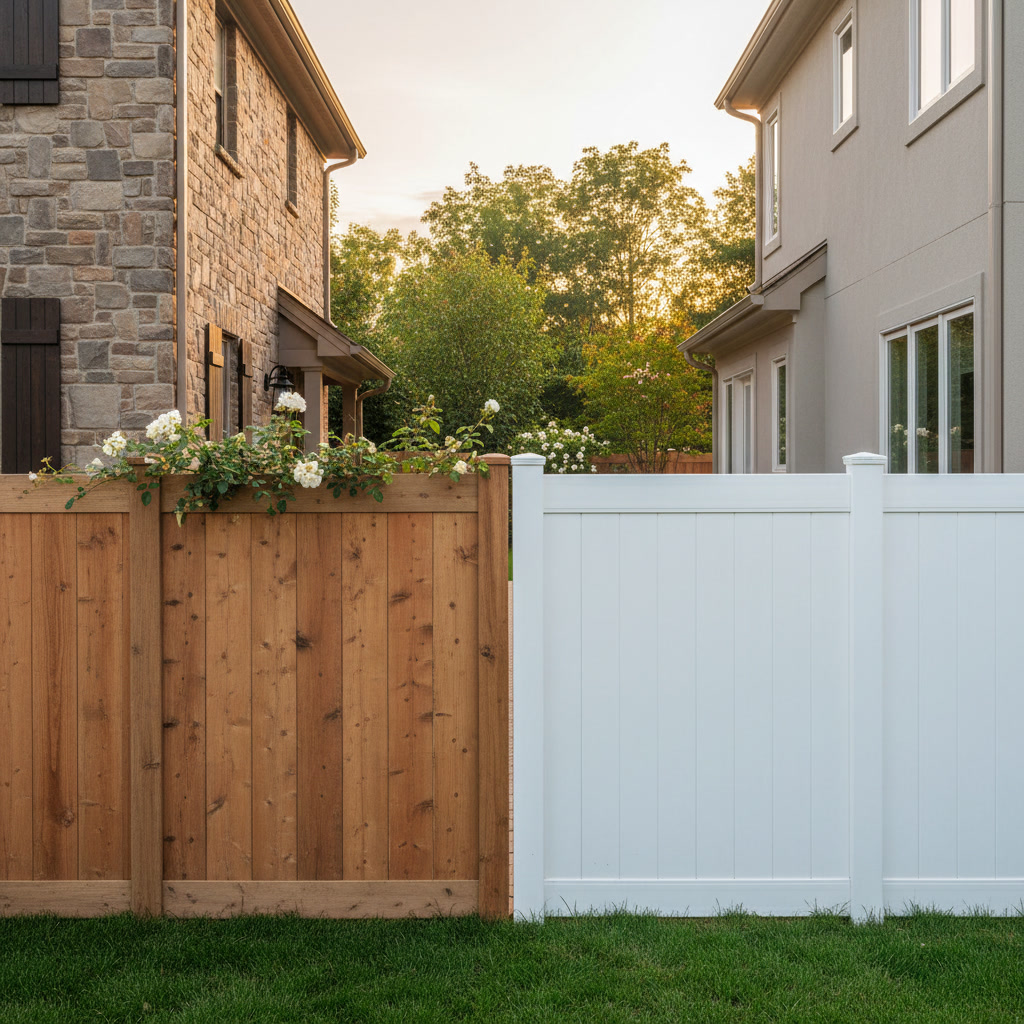
The wood vs vinyl fence debate comes down to weighing upfront cost against long-term maintenance, aesthetic preferences, and local climate conditions. Wood fencing offers natural beauty and lower initial expense but requires regular upkeep, while vinyl provides virtually maintenance-free durability at a higher purchase price. Your choice depends on your budget timeline, style goals, and how much time you want to invest in fence care over the next 15 to 30 years.
Why Privacy Fencing Matters for Arkansas Homeowners
Privacy fences define property boundaries, reduce noise from neighbors and nearby roads, and create safe outdoor spaces for children and pets. In Arkansas, where outdoor living extends through three seasons, a well-built fence transforms your yard into a private retreat. The right material choice affects not only your immediate satisfaction but also your home’s curb appeal and resale value for years to come.
Arkansas weather presents unique challenges for outdoor structures. Hot, humid summers encourage mold and mildew growth on organic materials, while occasional ice storms and high winds test structural integrity. Choosing a fencing material suited to these conditions saves you repair costs and frustration down the road.
Understanding the True Cost of Each Material
Wood fencing typically costs between $15 and $30 per linear foot installed, depending on the wood species and fence height. Pine and cedar are common choices in Arkansas, with cedar commanding a premium for its natural rot resistance. Vinyl fencing runs $25 to $40 per linear foot installed, making the upfront investment roughly 40 to 60 percent higher than wood.
These initial figures don’t tell the complete financial story. Wood requires staining or painting every two to three years at a cost of $1 to $3 per linear foot, plus your labor time. Over a 20-year lifespan, maintenance expenses can equal or exceed the original installation cost. Vinyl eliminates these recurring expenses, requiring only occasional washing with a garden hose.
How Long Each Fence Type Actually Lasts
Quality wood fencing lasts 15 to 20 years with proper maintenance, though untreated pine may begin showing significant deterioration after just 10 years. Cedar and pressure-treated lumber extend this timeline, but no wood fence escapes eventual replacement. Termites, carpenter bees, and wood rot gradually compromise structural integrity regardless of maintenance efforts.
Vinyl fencing carries manufacturer warranties of 20 to 30 years and often outlasts these guarantees when properly installed. The material doesn’t rot, splinter, or attract insects. Impact damage from fallen branches or lawn equipment remains the primary threat, though quality vinyl rebounds from minor impacts that would crack or dent wood.
Maintenance Requirements and Time Investment
Wood fences demand regular attention. You’ll need to inspect annually for loose boards, protruding nails, and early signs of rot. Pressure washing removes surface dirt and mildew before applying fresh stain or sealant. Budget a full weekend every two to three years for refinishing, plus spot repairs as boards warp or crack.
Vinyl maintenance involves spraying down the fence once or twice yearly to remove pollen, dust, and mildew. Stubborn stains usually respond to a soft brush and mild detergent. No sanding, no painting, no waiting for finishes to dry. For homeowners with limited time or physical ability, this difference becomes decisive.
Appearance and Style Considerations in Herber Springs
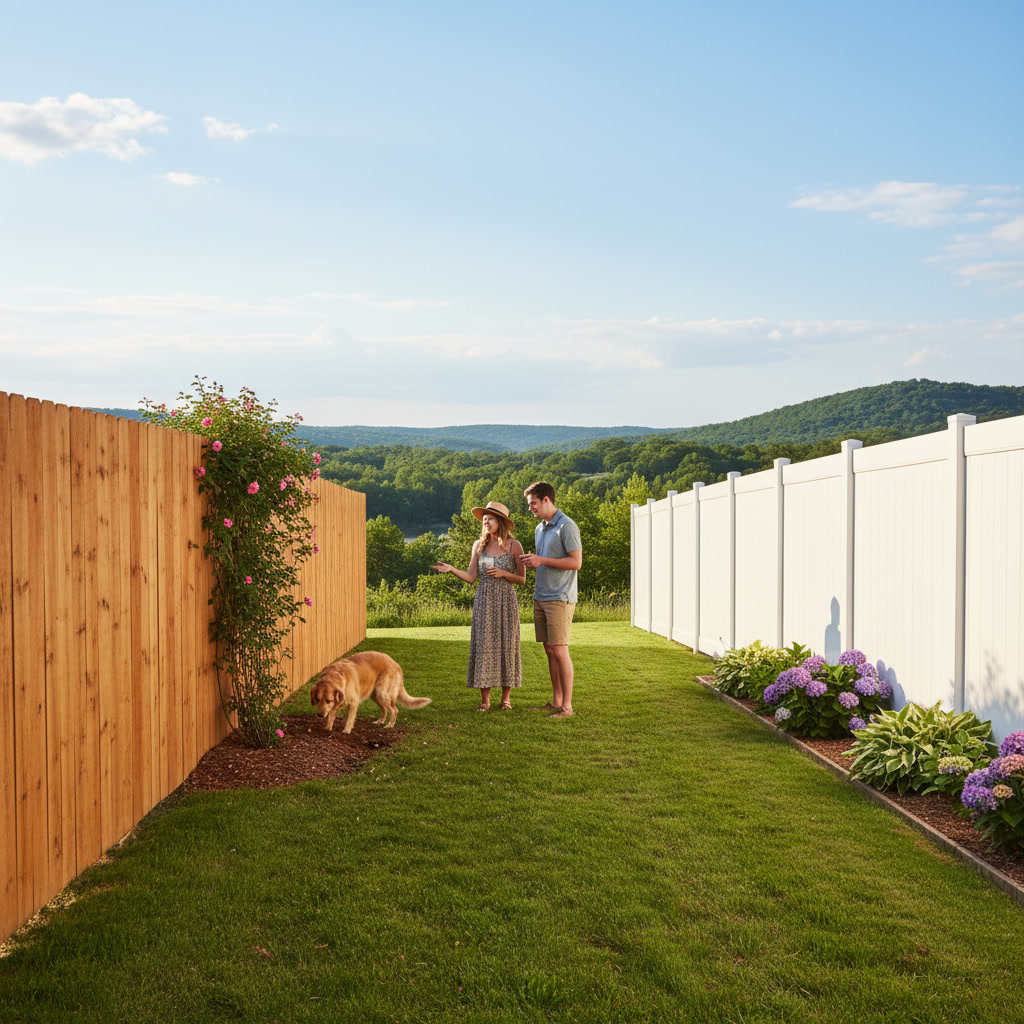
Wood brings warmth and natural texture that complements traditional home styles and rustic Arkansas landscapes. Stain colors range from natural cedar tones to deep mahogany, and you can change the look during routine maintenance. Wood accepts decorative cuts, lattice tops, and custom designs more easily than vinyl.
Modern vinyl mimics wood grain patterns with surprising accuracy, though purists still prefer authentic lumber. Vinyl comes in white, tan, gray, and various wood-tone colors that never fade or require touch-ups. The uniform appearance suits contemporary home designs, though some homeowners find the consistency artificial compared to wood’s natural variation.
Installation Differences That Affect Your Project
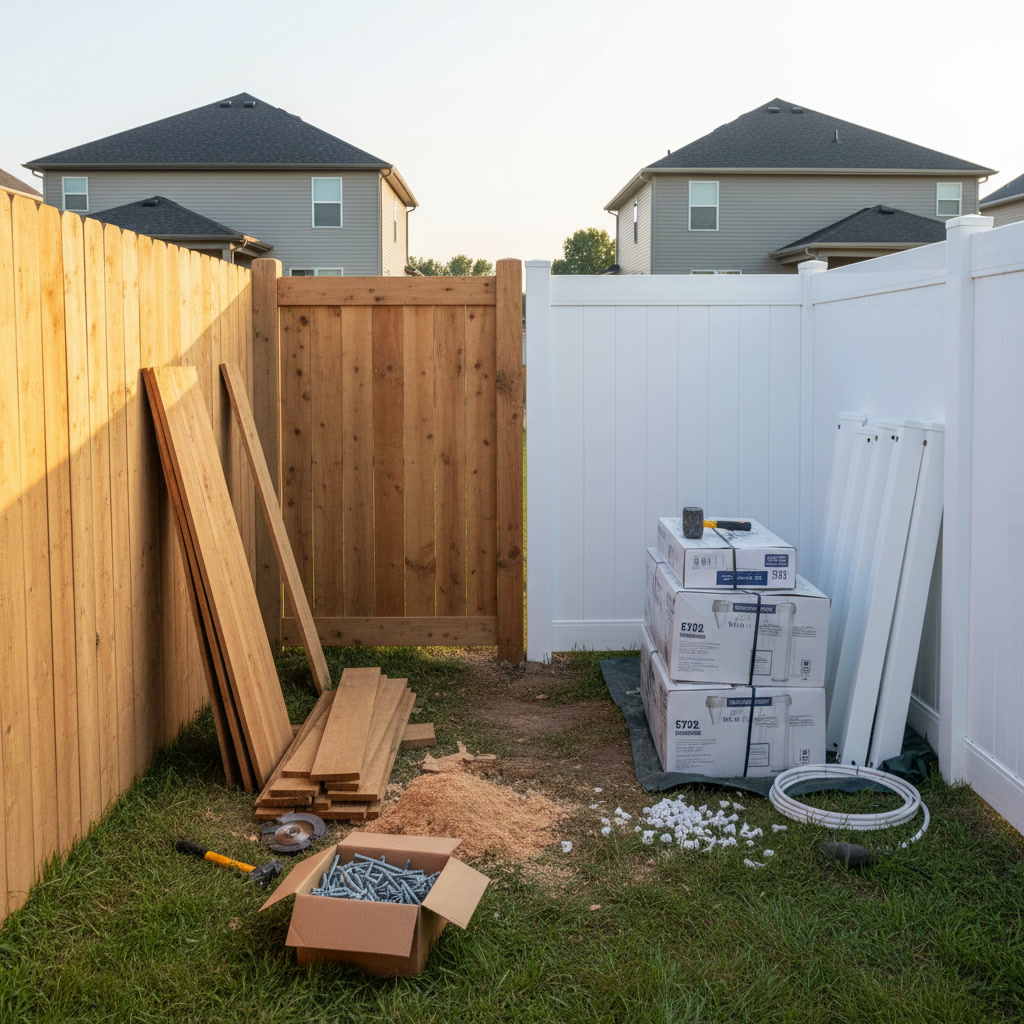
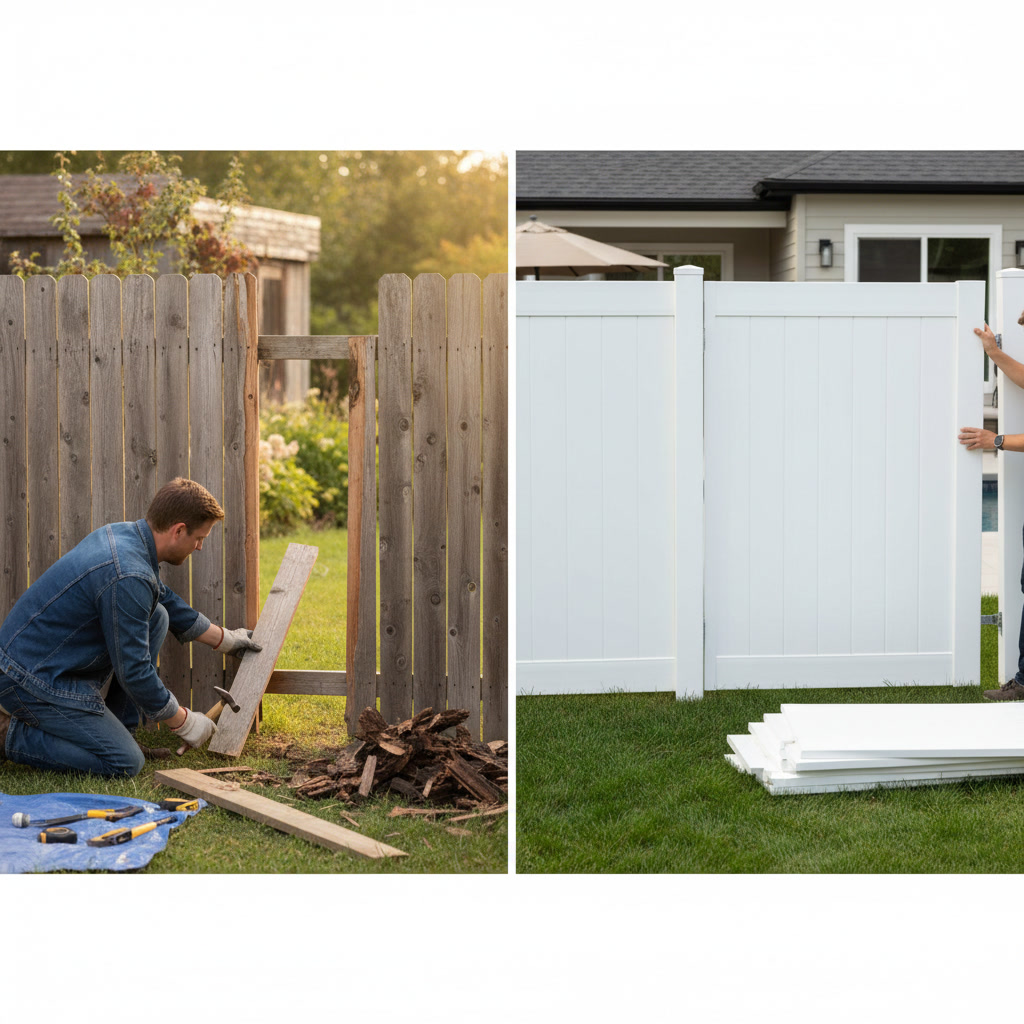
Wood fence installation follows a straightforward process that most experienced contractors handle efficiently. Posts set in concrete, rails attached with screws or nails, and pickets secured to the frame. Minor ground irregularities are easy to accommodate by trimming individual boards.
Vinyl installation requires more precision because pre-manufactured panels must fit together exactly. Posts must be perfectly plumb and spaced accurately, or panels won’t slide into the channels properly. This precision makes professional installation especially valuable for vinyl projects. The material expands and contracts with temperature changes, so installers must leave appropriate gaps that wood doesn’t require.
Climate Performance in Arkansas Weather
Arkansas humidity accelerates wood decay, particularly in shaded areas where moisture lingers. Fence sections near sprinklers or in low-lying areas show damage first. Summer heat causes wood to dry and crack, while winter moisture freeze-thaw cycles push boards apart. Regular sealing mitigates but never eliminates these effects.
Vinyl resists moisture damage completely and won’t warp from humidity. However, extreme cold makes vinyl brittle, and sharp impacts during winter months can crack panels. Quality vinyl formulated for temperature extremes performs better, though this protection increases cost. Light-colored vinyl reflects heat rather than absorbing it like dark wood stains, which helps the material maintain flexibility during Arkansas summers.
Repair and Replacement Realities
Replacing damaged wood boards takes an hour or two and costs $5 to $15 per board plus fasteners. You can swap individual pickets without disturbing the entire fence section. Matching stain color on older fences presents challenges, as weathered wood looks different from fresh lumber even under identical finish.
Vinyl repairs usually require replacing entire panels rather than individual pickets, since the pieces interlock. Replacement panels cost $50 to $150 depending on size and style. The benefit is that new vinyl matches existing sections perfectly in color and texture, creating invisible repairs. Some manufacturers maintain consistent product lines for decades, ensuring replacement parts remain available.
Environmental and Sustainability Factors
Wood is a renewable resource when harvested responsibly, and untreated lumber biodegrades naturally at the end of its life. Pressure-treated wood contains chemical preservatives that prevent composting and require special disposal. Cedar offers natural rot resistance without treatment, making it the most environmentally friendly wood option.
Vinyl is a petroleum-based product that doesn’t biodegrade. Manufacturing vinyl produces more emissions than milling lumber. However, vinyl’s 30-plus year lifespan means fewer replacements over time, and some manufacturers now incorporate recycled vinyl content. The maintenance-free nature eliminates ongoing chemical stains and sealants that wood requires.
Making the Right Choice for Your Property
Choose wood if you prefer natural aesthetics, have a limited installation budget, and don’t mind regular maintenance tasks. Wood suits homeowners who enjoy hands-on property care and plan to update their fence appearance over time. It’s also the better choice when you need custom designs or decorative elements that vinyl can’t easily replicate.
Select vinyl when long-term value outweighs initial cost, you want minimal ongoing maintenance, and you prefer consistent appearance without refinishing. Vinyl makes sense for rental properties, vacation homes, or any situation where time spent on upkeep carries high opportunity cost. The material also works well when you need privacy fencing that will look fresh for decades without intervention.
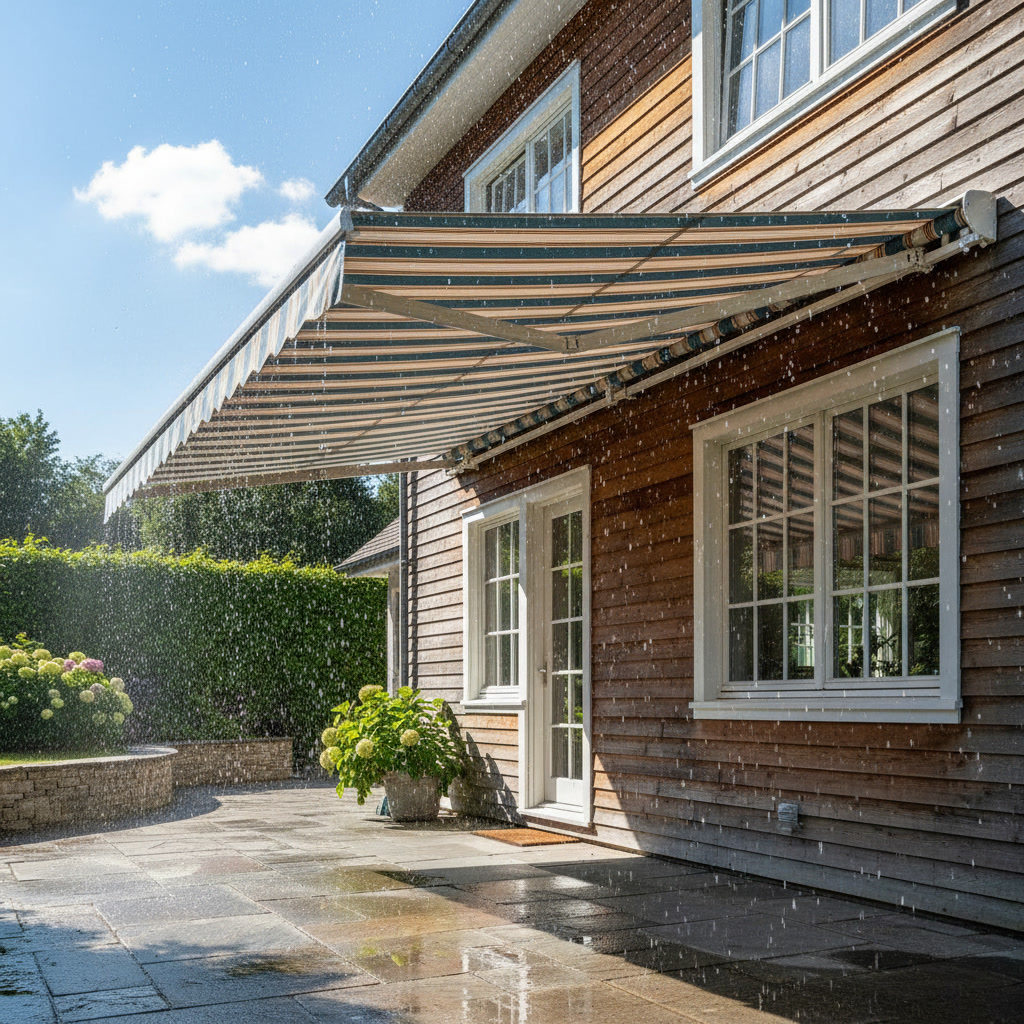
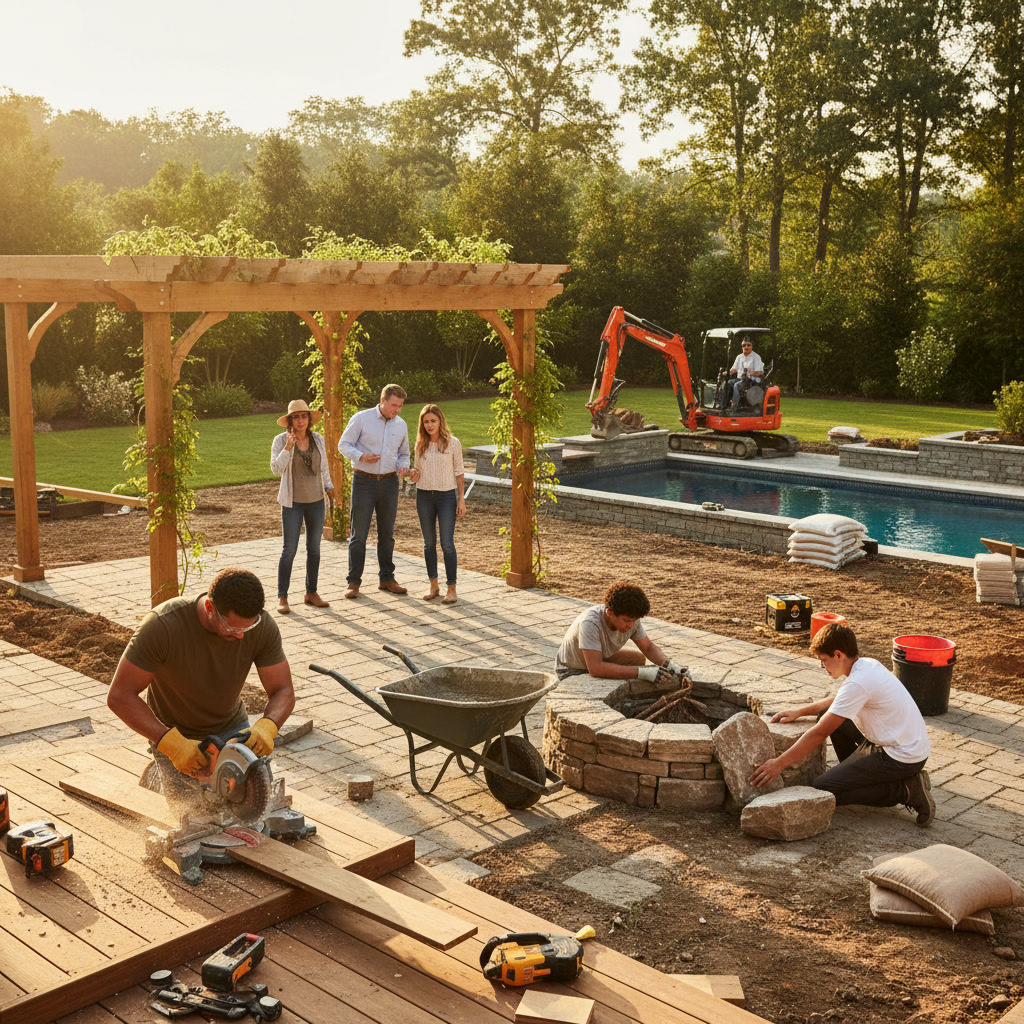
Consider your complete outdoor remodeling plans as well. If you’re adding patio covers or decks, material coordination creates a cohesive outdoor living space. Many homeowners match fence material to deck composition for visual harmony.
Expert Guidance Makes the Difference
Both materials perform well when properly installed and maintained according to their specific requirements. The wrong choice isn’t wood or vinyl itself but rather selecting a material that conflicts with your budget reality, maintenance capacity, or aesthetic vision. Understanding your priorities clarifies which trade-offs you’re willing to accept.
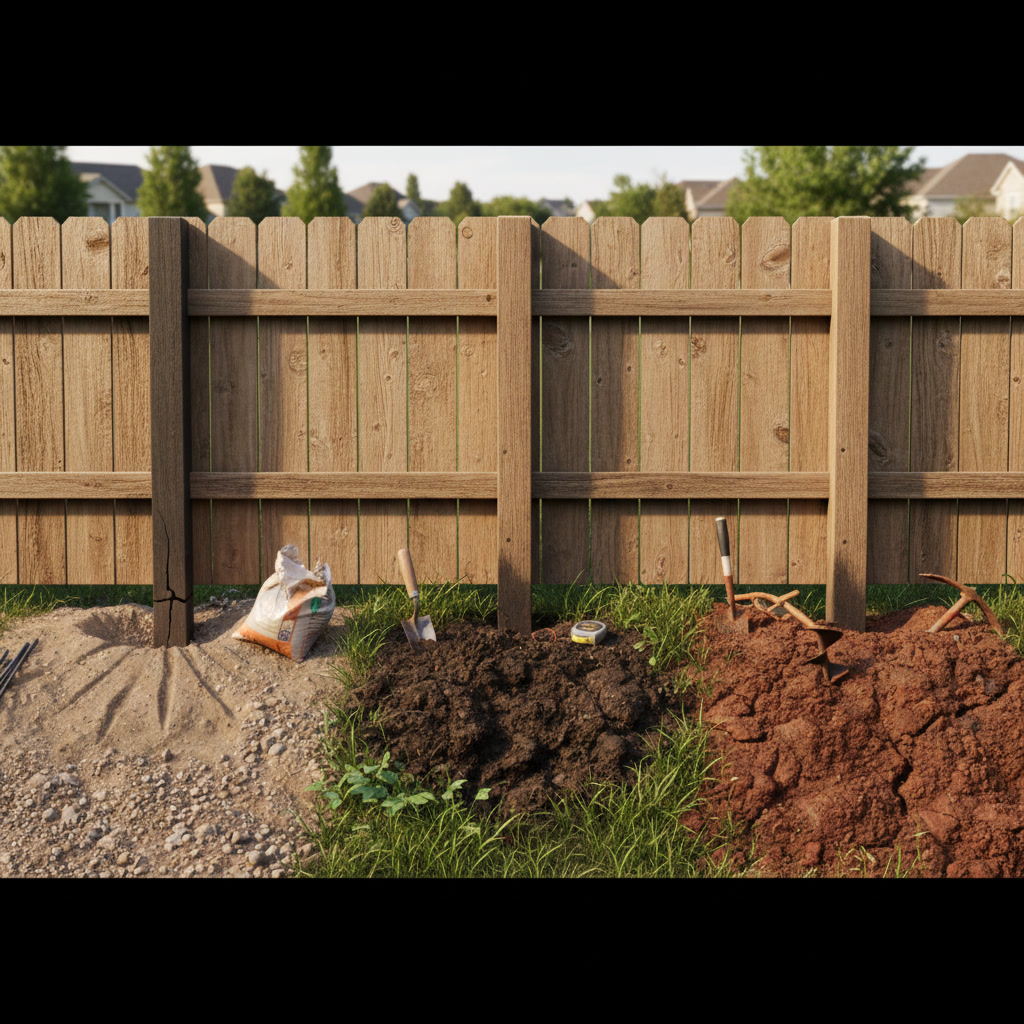
Professional installers familiar with local soil conditions, building codes, and weather patterns help you avoid costly mistakes. Proper post depth, concrete mixing ratios, and drainage considerations vary by location and soil type. These details determine whether your fence remains straight and solid for two decades or starts leaning after five years. For reference on project budgeting, our guide on privacy fence installation costs in Arkansas provides detailed pricing breakdowns.
Getting Started With Your Fence Project
The best fence combines the right material with skilled installation tailored to your specific property conditions. Your lot’s topography, soil composition, existing landscaping, and home style all influence the final outcome. Taking time to evaluate these factors before purchasing materials prevents expensive do-overs and ensures satisfaction for years to come.
Herber Springs Awning and Home Improvements brings 25 years of experience to every fence installation, helping homeowners throughout central Arkansas select and install the privacy fencing solution that fits their needs and budget. Our team understands local building requirements and weather challenges that affect long-term fence performance. Whether you choose the classic appeal of wood or the low-maintenance benefits of vinyl, proper installation protects your investment and delivers the privacy and security you expect. Contact Herber Springs Awning and Home Improvements at +1 501-362-3727 to discuss your privacy fencing project and receive a detailed estimate based on your property’s specific requirements.