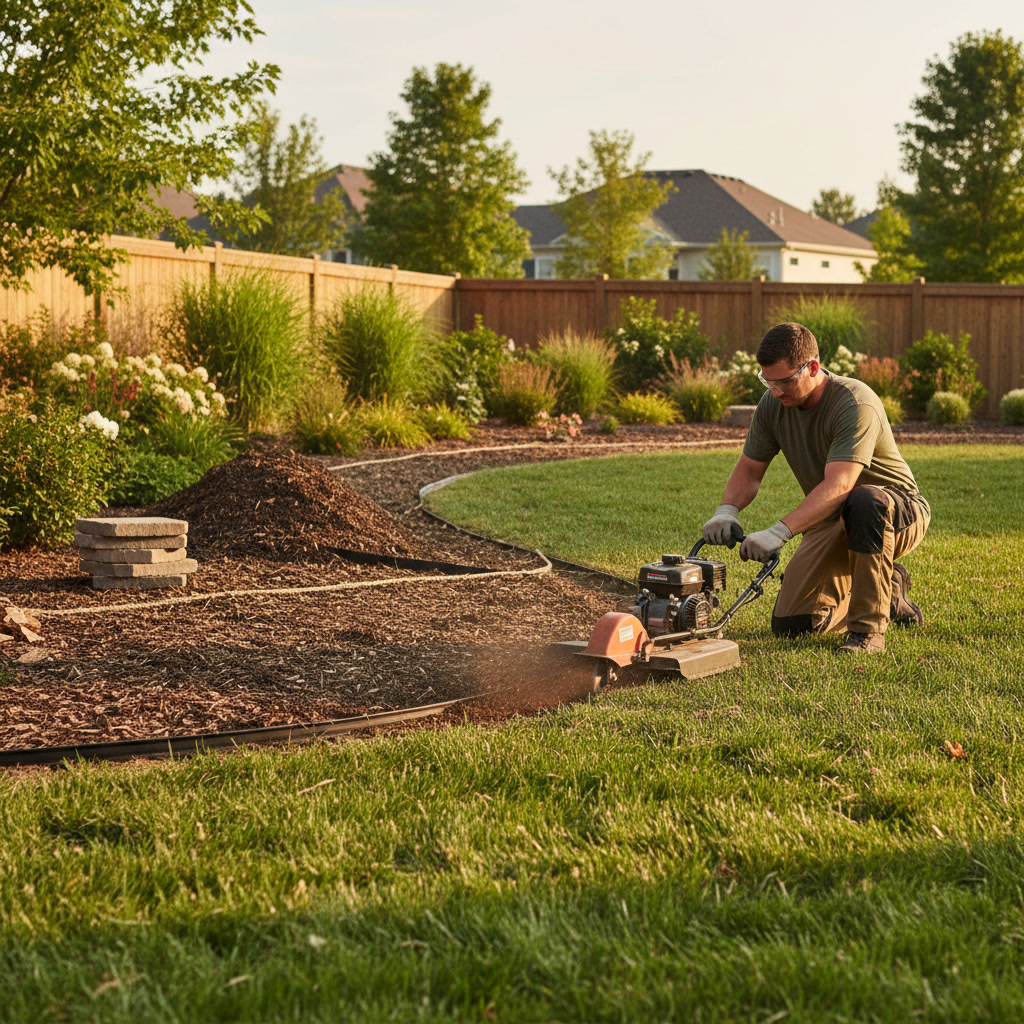
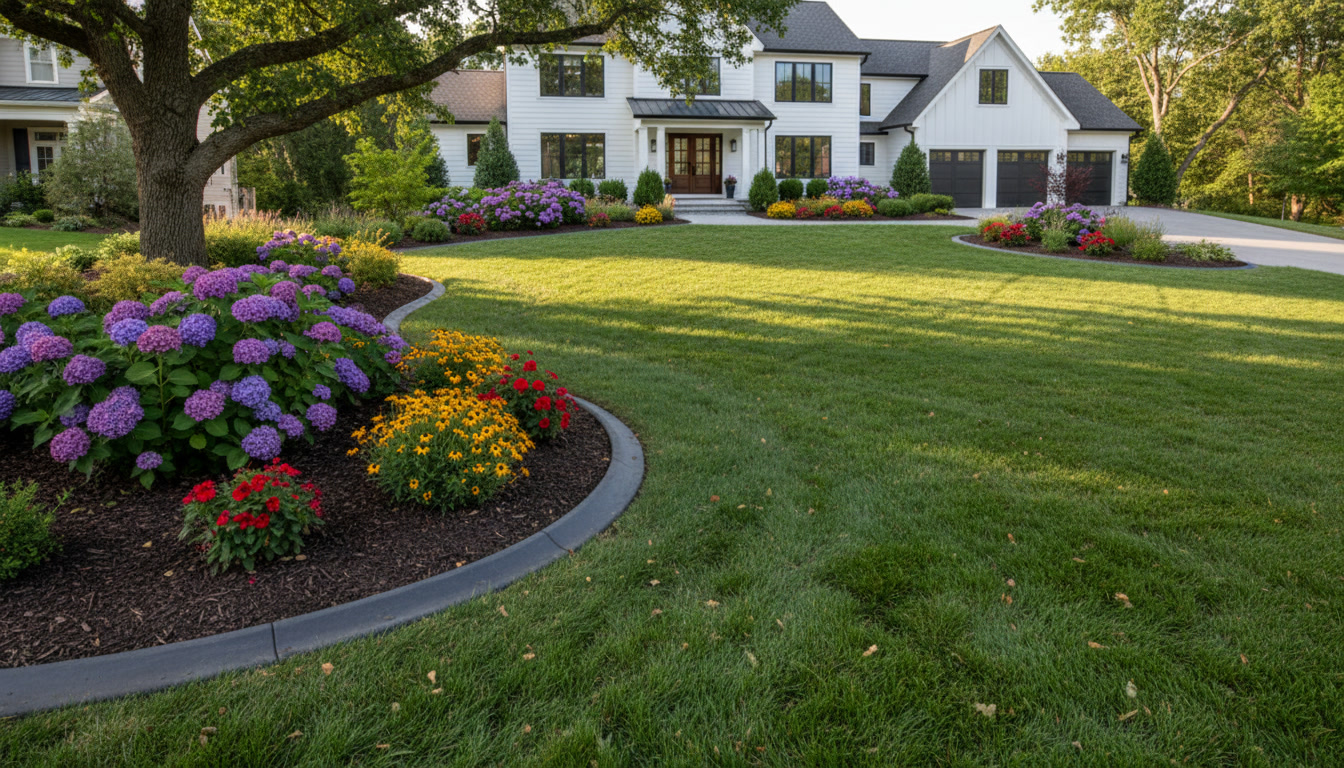
Professional concrete landscape edging creates permanent, clean borders that separate lawn from garden beds while preventing soil erosion and weed migration. This long-lasting solution enhances property appearance and reduces long-term maintenance compared to plastic or metal alternatives. Understanding the concrete landscape edging benefits helps property owners make informed decisions about yard improvements that deliver both immediate visual impact and lasting structural value.
Why Traditional Edging Materials Fail Over Time
Plastic edging shifts and heaves with freeze-thaw cycles, creating uneven borders that allow grass to invade garden beds. Metal strips rust and bend, losing their structural integrity within three to five years in most climates. Wood timbers rot, attract termites, and require replacement every few years. These temporary solutions demand repeated labor and expense while never delivering the crisp, permanent lines that define professional landscaping.
The continuous maintenance cycle of replacing failed edging materials costs homeowners more in the long run than investing in a permanent solution. Each reinstallation disturbs plant roots, disrupts mulch beds, and consumes valuable weekend time that could be spent enjoying the yard rather than repairing it.
The Structural Advantages of Poured Concrete Borders
Concrete edging forms a continuous barrier that extends four to six inches below ground level, creating a root barrier that stops grass rhizomes from spreading into flower beds. This depth prevents the heaving and shifting common with surface-level materials. The monolithic structure eliminates gaps where weeds can establish, cutting maintenance time spent on border cleanup by up to 70 percent.
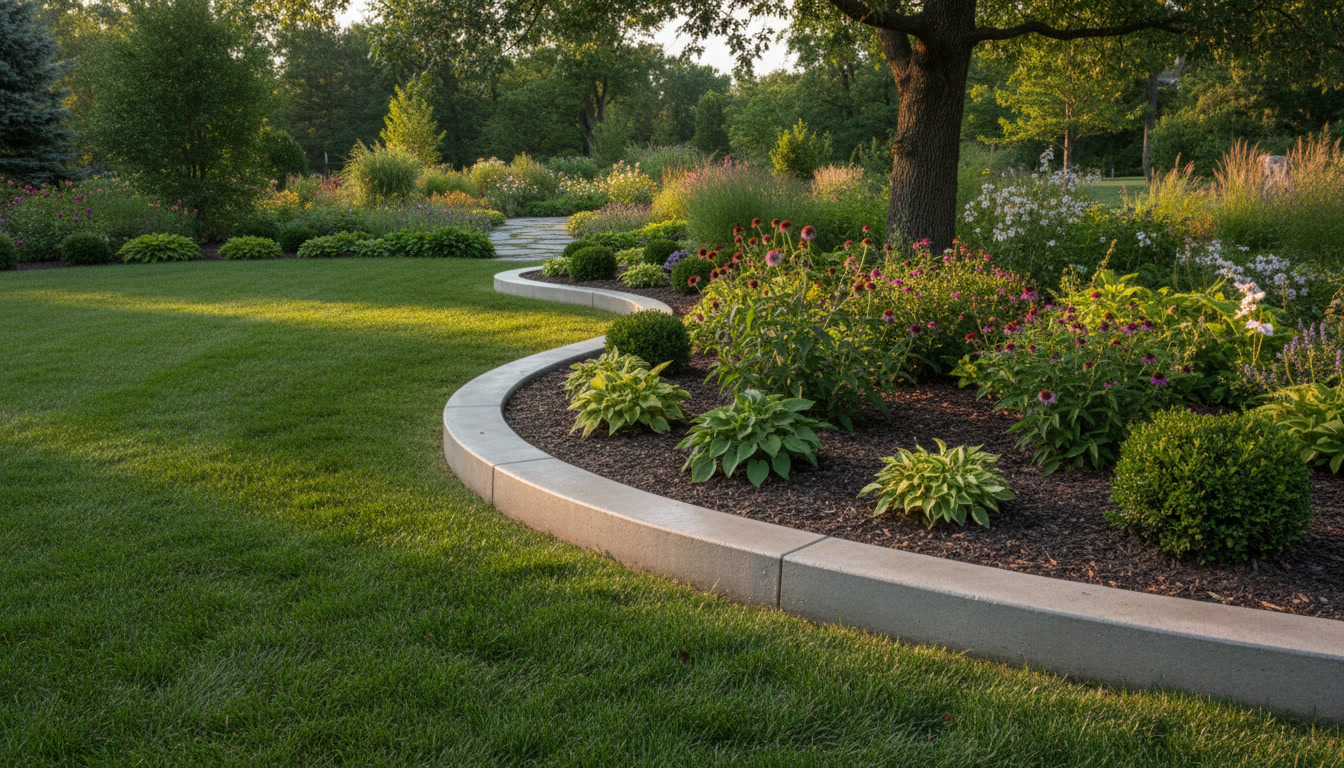
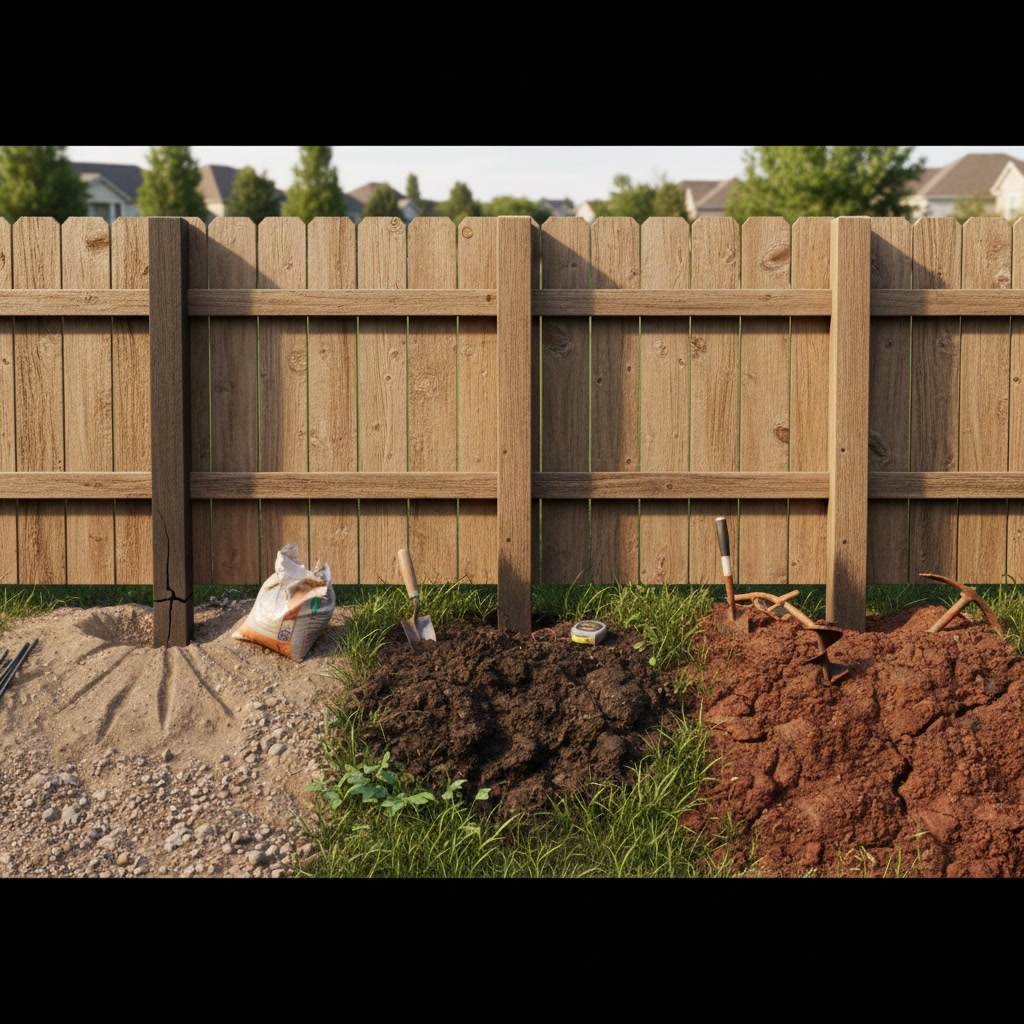
The weight and density of cured concrete resist frost heave in cold months and remain stable during heavy rain events that wash out lighter materials. When properly installed with control joints every eight to ten feet, concrete edging accommodates seasonal ground movement without cracking. This engineering detail separates professional installations from amateur attempts that fail within the first year.
How Concrete Edging Enhances Property Value in Herber Springs
Real estate appraisers recognize permanent landscape improvements as value-adding features that distinguish well-maintained properties from neglected ones. Clean, defined borders signal to potential buyers that the property has received professional care and attention. In markets throughout Herber Springs and surrounding communities, homes with professional landscaping features consistently sell faster and command higher prices than comparable properties with basic or deteriorating yard borders.
The visual impact of professional edging extends beyond the immediate border. Defined lines create the perception of larger, more organized outdoor spaces. This psychological effect makes modest yards appear more spacious and intentionally designed rather than haphazardly planted.
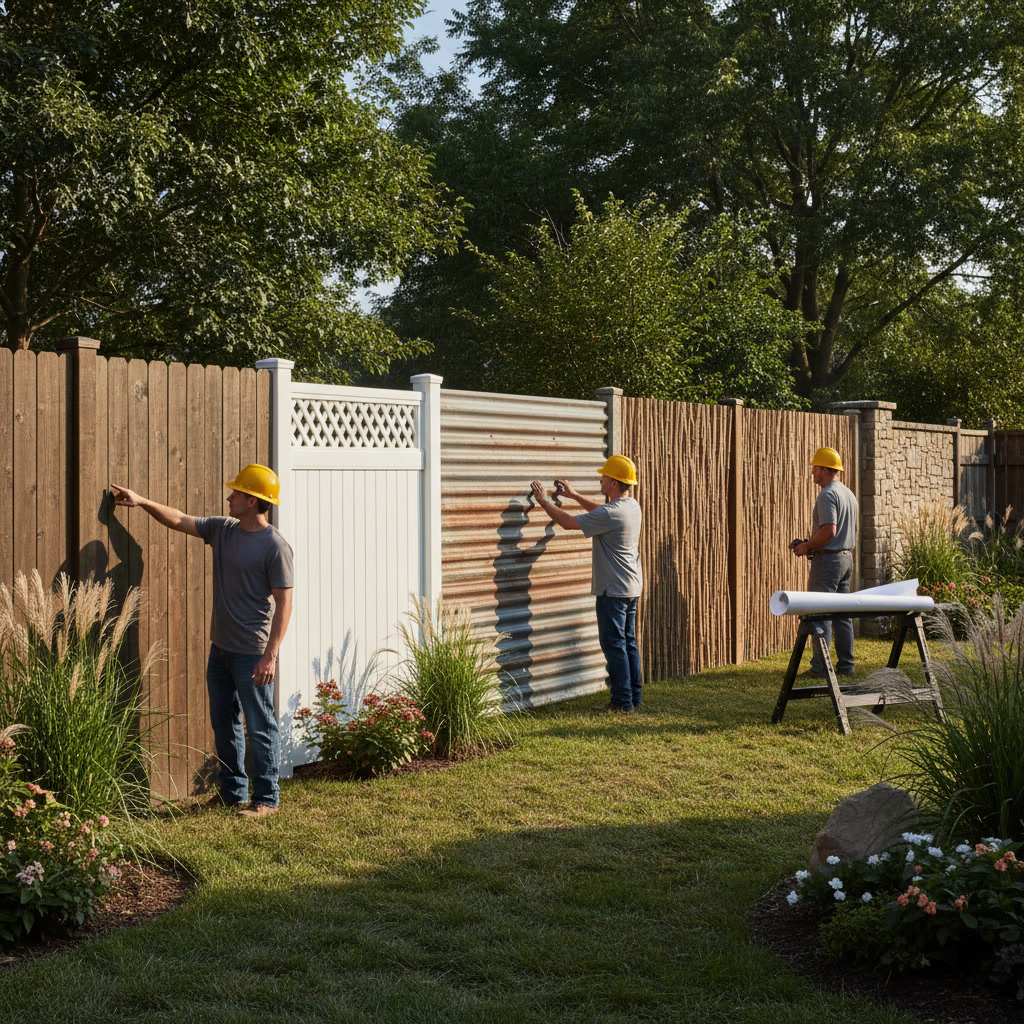
Three Design Options That Match Any Landscape Style
Stamped concrete edging mimics natural stone, brick, or decorative patterns while maintaining the durability of solid concrete. This option works well for formal gardens and traditional home styles where ornamental details enhance the overall design. The stamping process occurs while concrete remains workable, embedding texture and pattern permanently into the surface.
Smooth-finished borders create contemporary, minimalist lines that complement modern architecture and geometric landscaping designs. The clean edges provide strong contrast against mulch, gravel, or groundcover plantings. This style requires precise formwork during installation but delivers the sharpest visual definition.
Colored concrete edging introduces earth tones, grays, or custom hues that coordinate with home exteriors, hardscaping, or patio covers. Integral color mixing ensures consistent appearance throughout the material depth, so chips or surface wear never reveal a different underlying color. This method proves more durable than surface-applied stains that fade under UV exposure.
Installation Techniques That Ensure Longevity
Proper installation begins with excavating a trench four to six inches deep and four to six inches wide, depending on the border height desired above ground. The trench bottom must be level and compacted to prevent settling. A two-inch gravel base provides drainage and a stable foundation that resists frost heave.
Flexible forming systems or custom wood forms shape the concrete during pouring, allowing curves that follow organic bed shapes or straight lines for geometric designs. The forms must be staked securely to prevent shifting under the weight and pressure of wet concrete. Professional installers know that form preparation accounts for 60 percent of the project timeline but determines 90 percent of the final quality.
Control joints cut or tooled every eight to ten feet allow the concrete to expand and contract with temperature changes without developing random cracks. These planned weak points guide crack formation to inconspicuous locations. Reinforcement with fiber mesh or rebar increases tensile strength in areas subject to ground movement or root pressure.
Maintenance Requirements and Long-Term Performance
Concrete edging requires virtually no maintenance beyond occasional rinsing to remove soil buildup. Unlike wood that needs sealing or metal that requires rust treatment, cured concrete remains stable in all weather conditions. The surface hardness prevents damage from lawn mowers and string trimmers, eliminating the chips and breaks common with softer materials.
Seasonal ground movement may cause minor settling in the first year as soil compacts beneath the base. This typically amounts to less than one-quarter inch and stabilizes permanently. Any voids that develop beneath the edge can be filled through mudjacking or polyurethane foam injection, restoring the original level without removing and replacing sections.
Cost Analysis Compared to Repeated Replacement
Initial installation of concrete edging costs more per linear foot than plastic, metal, or wood alternatives. However, the lifespan difference reverses the value equation within five years. Plastic edging lasting three to five years requires two or three replacements over a 15-year period. Wood borders need replacement every four to six years. Metal edging lasts slightly longer but still requires eventual replacement.
Concrete edging installed correctly lasts 20 to 30 years or longer with zero replacement cost. The labor savings from eliminating reinstallation projects adds value beyond material cost. When factoring in the reduced weed control effort and improved plant health from consistent bed definition, concrete edging delivers return on investment within seven to ten years for most residential applications.
Integration with Broader Landscape Design
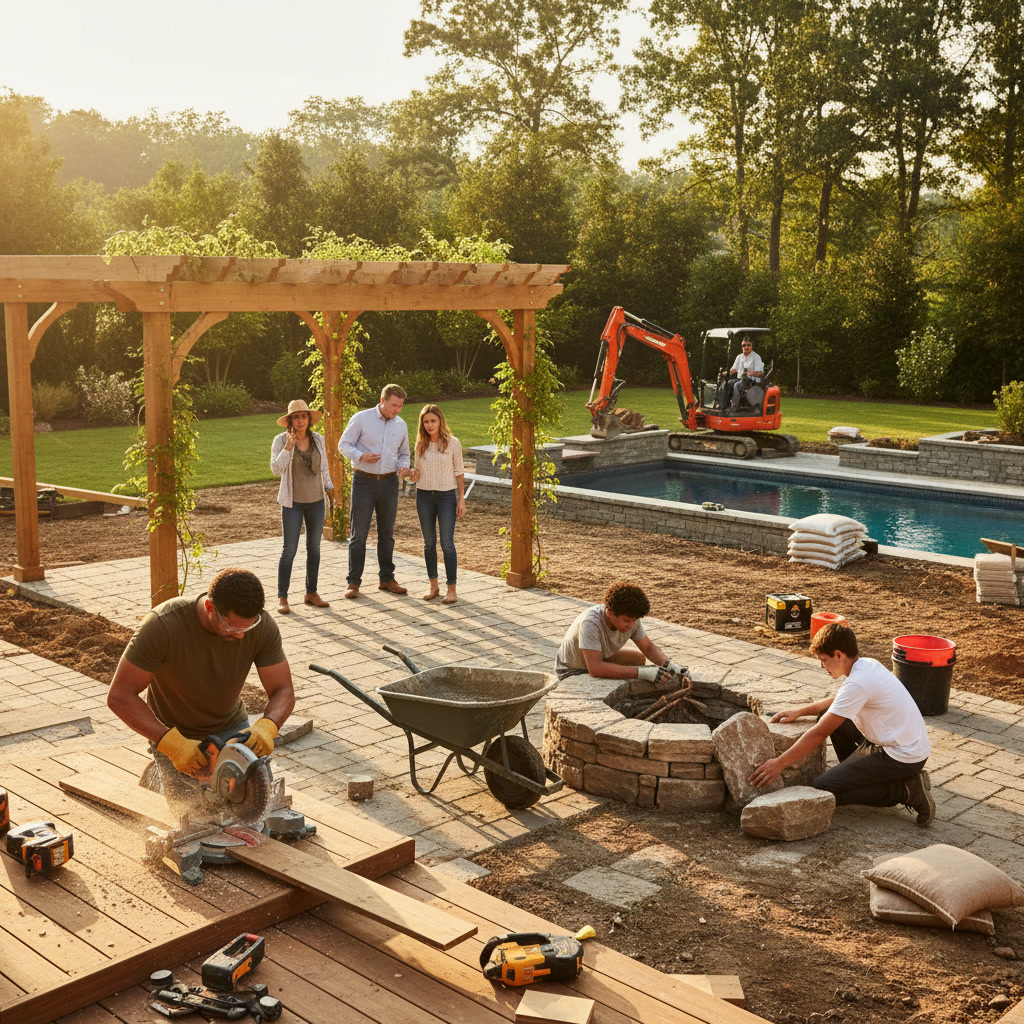
Professional concrete edging serves as the foundation for cohesive outdoor spaces that connect multiple design elements. Matching edging profiles around flower beds, tree rings, and water features creates visual continuity throughout the property. This consistency elevates the overall landscape from a collection of individual plantings to an intentionally designed outdoor environment.
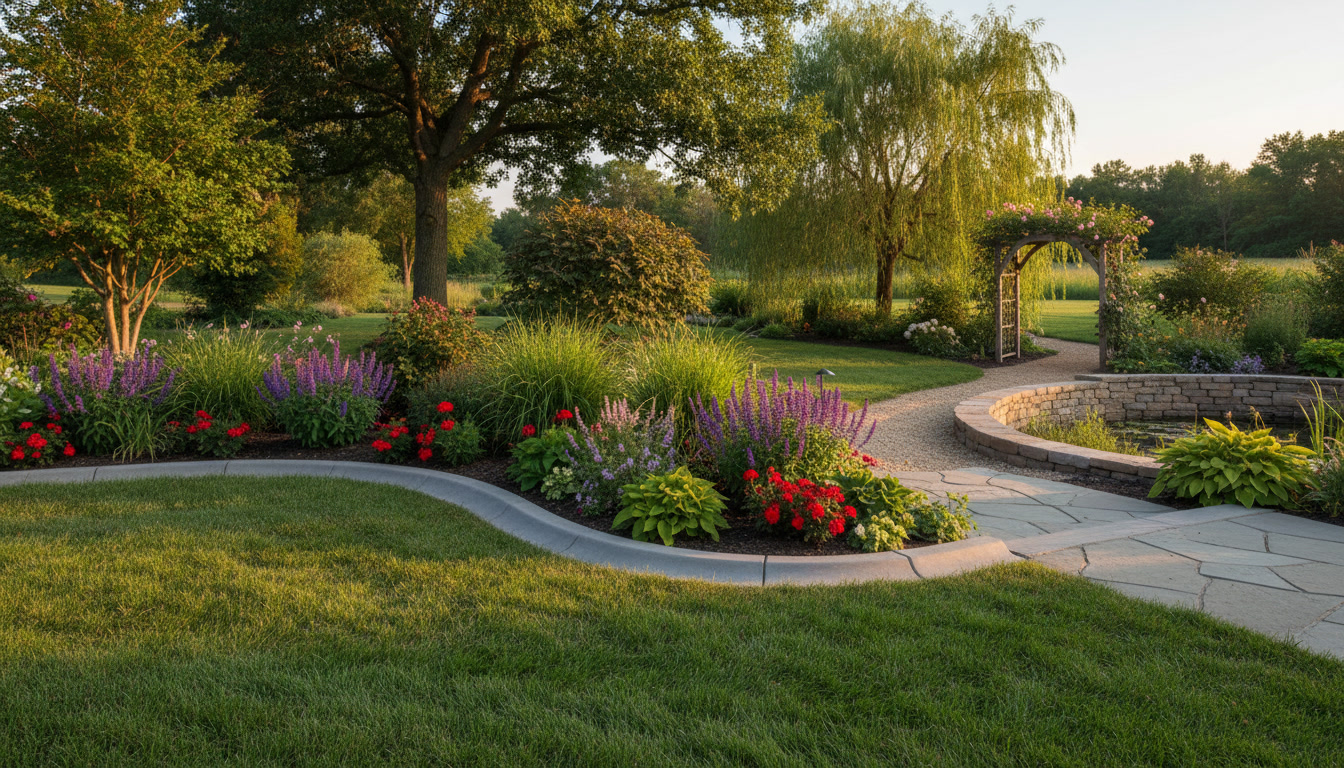
The permanent nature of concrete borders allows long-term landscape planning without worrying about edging failure disrupting design intentions. Perennial gardens mature within well-defined spaces, shrubs develop without grass competition at their root zones, and mulch stays contained exactly where placed. This stability lets landscapes develop their full potential over multiple growing seasons.
Environmental Benefits of Permanent Edging
Eliminating the replacement cycle reduces waste sent to landfills. Plastic edging fragments into microplastics as it deteriorates, contaminating soil and waterways. Treated lumber introduces chemicals into the ground as it decays. Concrete contains no volatile organic compounds and remains inert in the soil environment throughout its lifespan.
The weed barrier function reduces or eliminates herbicide use along bed borders, decreasing chemical runoff into groundwater. Better-defined beds improve irrigation efficiency by preventing water waste onto lawn areas, conserving this increasingly precious resource. These environmental advantages align with sustainable landscaping practices that minimize ecological impact.
Common Installation Mistakes That Compromise Results
Skipping the gravel base or using insufficient depth invites settling and cracking within the first year. The base layer provides drainage that prevents freeze-thaw damage and distributes weight evenly across the trench bottom. Without this foundation, even properly mixed concrete fails prematurely.
Pouring concrete directly against tree trunks or structures without expansion joints creates stress points where cracks inevitably develop. Trees grow and expand, exerting tremendous force that breaks rigid materials. Leaving a one-inch gap filled with flexible material accommodates this movement while maintaining the visual border.
Using incorrect concrete mix ratios or additives weakens the final product. Concrete for landscape edging needs a minimum 3,500 PSI compressive strength with appropriate air entrainment for freeze-thaw resistance. Adding too much water during mixing reduces strength permanently. These technical details explain why professional installation delivers results that DIY attempts often cannot match, as discussed in our outdoor remodeling guide.
Achieving Professional Results for Your Property
Professional concrete landscape edging transforms ordinary yards into well-structured outdoor spaces that require less maintenance while delivering greater visual impact. The permanent nature of properly installed concrete borders eliminates the recurring expense and effort of replacing temporary materials. Combined with reduced weed pressure and improved plant health, this investment pays dividends in both property value and enjoyment for decades.
The technical requirements for successful installation make this project well-suited to experienced professionals who understand soil conditions, concrete chemistry, and finishing techniques. With 25 years of experience in outdoor remodeling and landscape improvements, Herber Springs Awning and Home Improvements delivers the precision and craftsmanship that permanent landscape features demand. Our team serves property owners throughout the region with professional installation that enhances curb appeal and yard structure for the long term.
Transform your property with professional concrete landscape edging that defines your outdoor spaces with lasting quality. Herber Springs Awning and Home Improvements brings experienced craftsmanship to every project, ensuring results that enhance your property value and reduce maintenance for years to come. Contact us at +1 501-362-3727 to discuss your landscape edging needs and schedule a consultation.