Selecting the right privacy fence styles starts with understanding your property’s specific needs, local climate, and long-term maintenance commitment. The ideal fence balances visual appeal with functional requirements like wind resistance, durability, and the level of seclusion you want to achieve. Your choice will significantly impact your property value, outdoor enjoyment, and annual maintenance workload for years to come.
Why Your Fence Style Choice Matters More Than You Think
A privacy fence does more than mark boundaries. It sets the visual tone for your entire outdoor space, affects airflow and shade patterns, and determines how much time you’ll spend on upkeep. A poorly matched fence can make a small yard feel claustrophobic or clash with your home’s architectural style. Conversely, the right choice enhances curb appeal and creates a cohesive outdoor environment that complements your landscaping and existing structures.
The material and design you select will also dictate replacement timelines. Some options last 15 years with minimal care, while others can span four decades with proper maintenance. Understanding these differences upfront prevents buyer’s remorse and unexpected replacement costs down the line.
Understanding Privacy Fence Materials and Their Trade-Offs
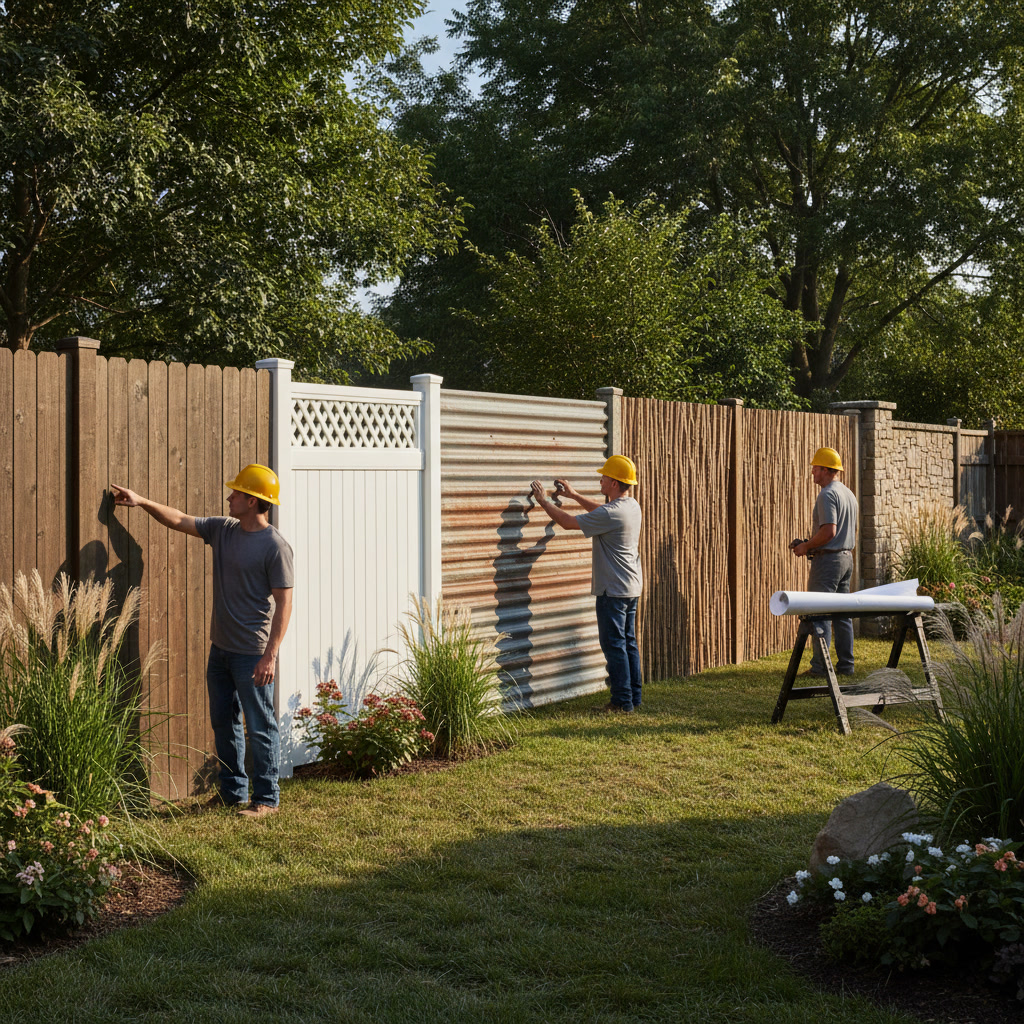
Each fencing material brings distinct advantages and limitations. Wood offers natural warmth and traditional aesthetics but requires regular staining or sealing every two to three years. Cedar and redwood naturally resist rot and insects, lasting 15 to 20 years, while pressure-treated pine needs more frequent maintenance but costs significantly less upfront.
Vinyl fencing eliminates painting and staining entirely, withstands moisture without rotting, and typically lasts 20 to 30 years. However, extreme temperature swings can cause brittleness over time, and color options remain limited compared to painted wood. Composite materials blend wood fibers with plastic polymers, offering wood-like appearance with reduced maintenance, though they carry a higher initial price point.
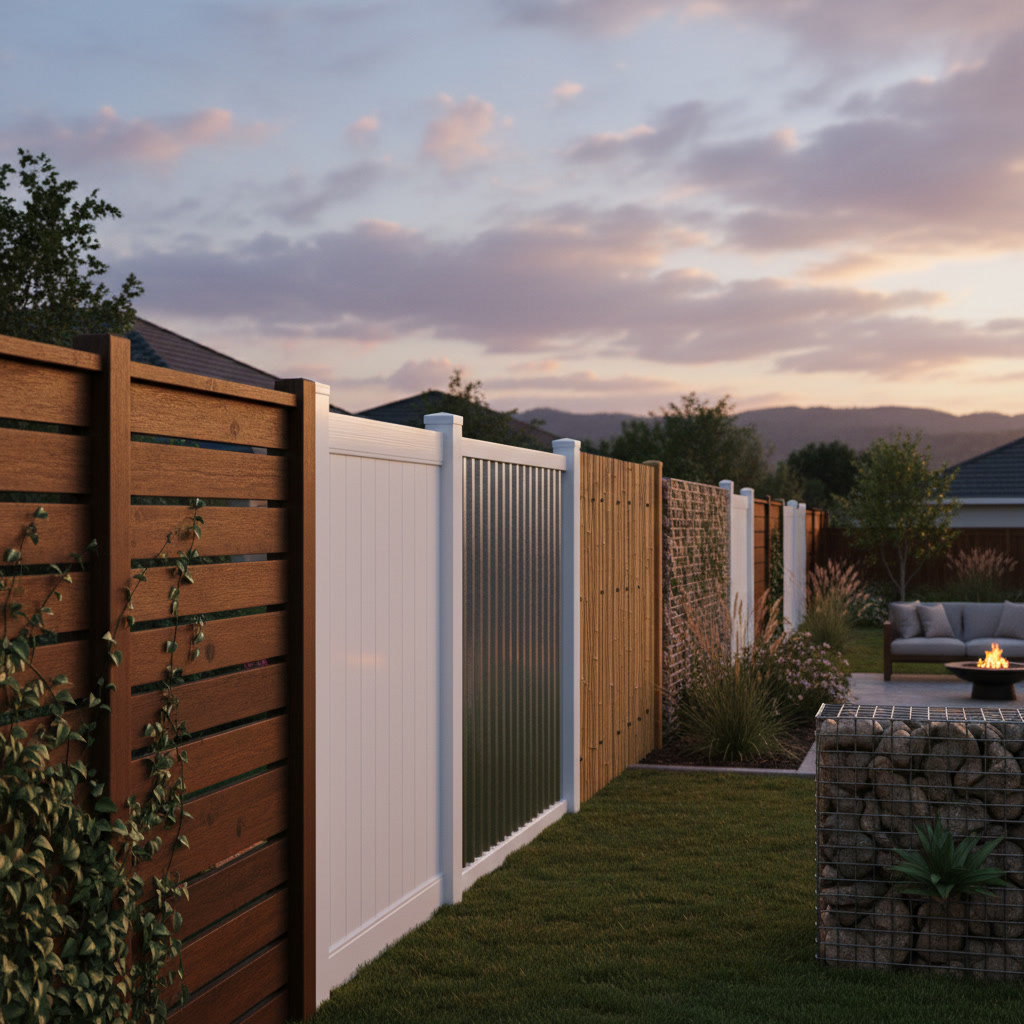
Metal options like aluminum provide durability and modern aesthetics but offer less visual privacy unless paired with slats or screening. For homeowners in Herber Springs and surrounding areas, Arkansas’s humid summers and occasional ice storms make material durability particularly important when weighing your options.
Matching Fence Styles to Your Home’s Architecture in Herber Springs
Your fence should complement, not compete with, your home’s existing design language. Ranch-style homes pair naturally with horizontal board fencing or split-rail designs that emphasize long, clean lines. Craftsman homes benefit from board-on-board or shadowbox styles that echo the layered detail work typical of that architectural period.
Colonial and traditional homes call for classic picket-top privacy fences or solid board designs with decorative post caps. Modern and contemporary homes work well with horizontal slat fencing, metal panels, or sleek composite materials in neutral tones. When your fence style aligns with your home’s architecture, it creates visual continuity that elevates your entire property’s appearance.
The Most Popular Privacy Fence Designs and When to Use Each
Board-on-board fencing ranks among the most versatile styles, featuring overlapping vertical boards that eliminate sight lines while allowing air circulation. This design works in nearly any setting and weathers wind better than solid-panel options. Shadowbox fencing offers a similar effect with boards alternating on each side of the rail, creating an attractive appearance from both sides of the fence line.
Solid board fencing with no gaps provides maximum privacy and noise reduction, ideal for properties near busy roads or commercial areas. Lattice-top designs add decorative interest while maintaining lower-level privacy, working especially well when you want to soften the visual impact of a tall fence. Horizontal board fencing delivers a contemporary look that makes spaces feel wider and suits modern home designs particularly well.
Height Considerations and Local Building Codes
Most residential privacy fences range from six to eight feet tall, with six feet being the standard maximum in many jurisdictions without requiring special permits. Before finalizing your design, verify local building codes and homeowner association requirements. Some neighborhoods restrict fence height, style, or placement relative to property lines.
Taller fences provide more seclusion but can create shade that affects plant growth and makes smaller yards feel enclosed. If you need guidance on the optimal height for your specific situation, our detailed privacy fence height guide covers the key factors and regulations you should know.
Comparing Maintenance Requirements Across Fence Types
Wood fences demand the most attention, requiring inspection for rot, insect damage, and loose boards annually. Plan to clean, stain, or seal wood every two to three years to maintain appearance and structural integrity. Neglecting this schedule can cut lifespan in half and lead to costly repairs.
Vinyl requires only occasional washing with soap and water to remove dirt and mildew. Check for cracks or loose panels after severe weather, but expect minimal ongoing work. Composite fencing falls between wood and vinyl, needing periodic cleaning but no staining. Metal fences need rust checks and touch-up paint in high-humidity climates.
For a deeper look at how different materials compare in maintenance, durability, and cost over time, read our comparison of wood versus vinyl fencing options.
Budget Planning and Long-Term Cost Analysis
Initial installation costs vary widely based on material choice, fence height, and property size. Pressure-treated pine typically costs the least upfront, while cedar, vinyl, and composite materials command premium prices. However, calculating true cost requires factoring in maintenance expenses over the fence’s expected lifespan.
A cheaper wood fence that needs replacement in 12 years may ultimately cost more than a vinyl fence lasting 25 years with minimal upkeep. Labor costs also vary by material, with vinyl and composite requiring specialized installation techniques. To understand typical investment ranges for your project, review our breakdown of privacy fence installation costs in Arkansas.
How Climate and Weather Patterns Should Influence Your Choice
Arkansas experiences humid summers, occasional ice storms, and temperature swings that test fence durability. Wood species like cedar and redwood naturally resist moisture damage better than untreated pine in humid conditions. Vinyl can become brittle in extreme cold, making it prone to cracking during ice storms if impacted.
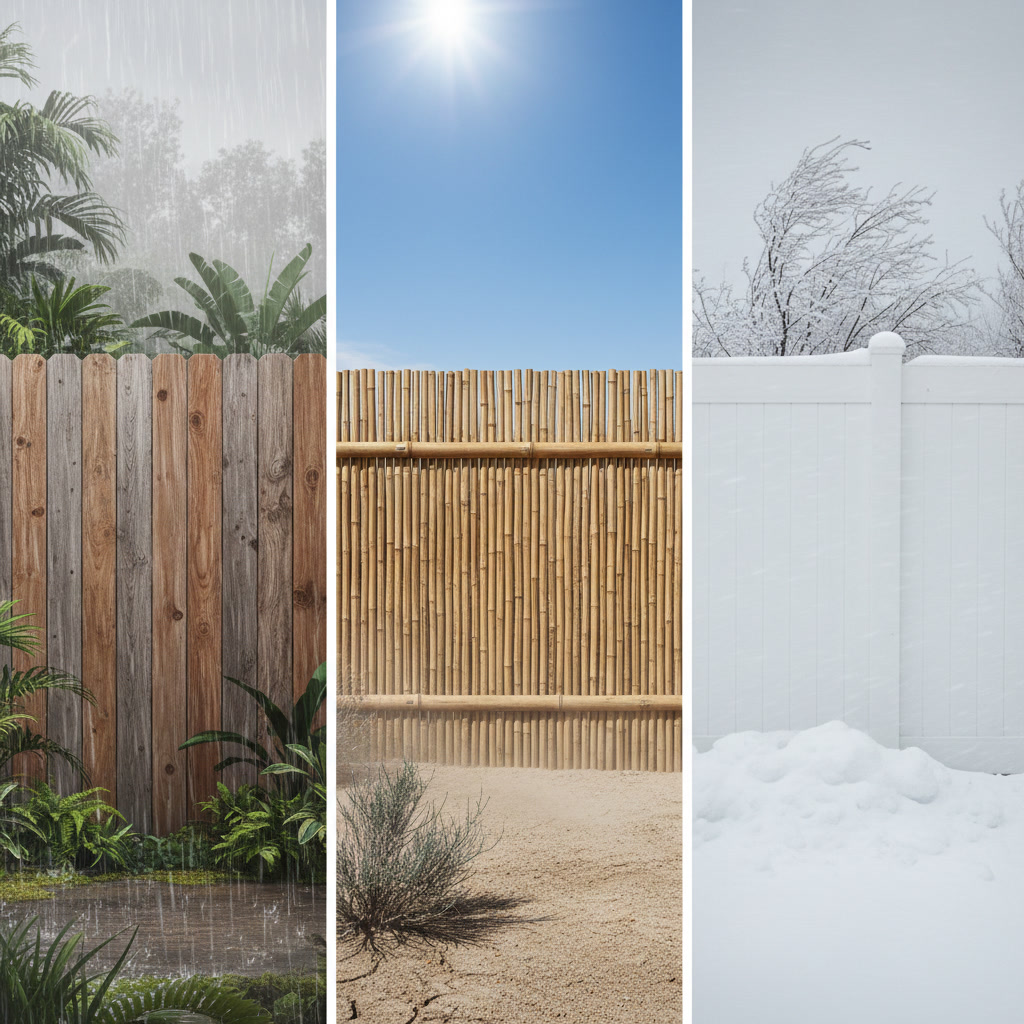
Composite materials handle moisture well but can fade faster in intense sun exposure without UV protection. Metal fences resist weather extremes but may require rust-resistant coatings in high-humidity areas. Expert installers account for local soil conditions, drainage patterns, and typical wind loads when setting posts and selecting materials, factors that dramatically affect fence longevity.
Design Features That Add Function and Visual Interest
Post caps, decorative trim, and integrated planters transform basic fences into design features. Lattice panels near the top reduce the fortress-like appearance of tall solid fences while maintaining privacy at eye level. Built-in benches or shelving add functionality without consuming yard space.
Varying board widths creates subtle visual texture, and staining or painting in complementary colors ties the fence to your home’s exterior palette. If your fence will border outdoor living areas like decks or patio covers, coordinating materials and finishes creates a polished, intentional look across your entire outdoor space.
Installation Quality Makes or Breaks Fence Performance
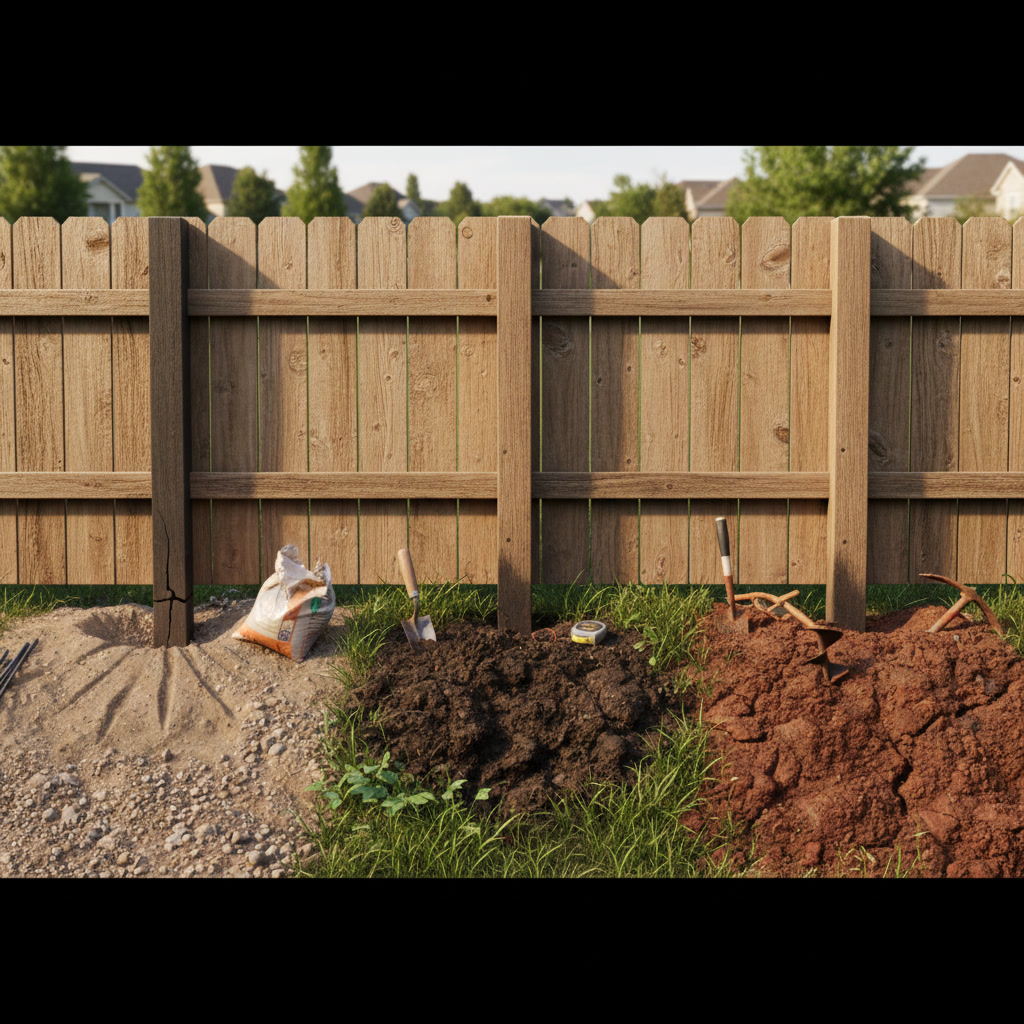
Even premium materials fail prematurely with poor installation. Proper post depth, concrete footing size, and rail attachment methods determine whether your fence withstands wind, soil movement, and years of use. Posts should extend below the frost line with concrete footings sized appropriately for fence height and expected wind loads.
Rail spacing, gate hardware quality, and drainage considerations around posts all impact longevity. Professional installers bring specialized tools and expertise that prevent common issues like sagging gates, warped panels, and premature rot from improper drainage. The installation quality matters as much as material choice in determining your fence’s functional lifespan.
Making Your Final Decision With Confidence
Choosing the right privacy fence requires balancing aesthetics, budget, maintenance capacity, and your property’s specific conditions. Start by identifying your primary goals, whether that’s maximum seclusion, minimal upkeep, architectural harmony, or a specific budget target. Narrow material options based on those priorities, then select a style that complements your home’s design.
Visit installed examples in person when possible, as photos rarely capture texture, scale, and how materials weather over time. Request samples of stain colors or material finishes to view against your home’s exterior. A well-chosen fence enhances property value, outdoor enjoyment, and neighborhood appeal for decades.
Herber Springs Awning and Home Improvements brings 25 years of experience to every privacy fencing project, helping homeowners select and install the ideal fence for their property. Whether you’re in Conway, Batesville, Searcy, or any surrounding community, our team guides you through material selection, design options, and professional installation that stands the test of time. Call +1 501-362-3727 to discuss your project and receive a detailed consultation tailored to your property’s unique needs.