Choosing the right privacy fence height depends on your goals, local regulations, and property layout. Most residential privacy fences range from 6 to 8 feet tall, balancing seclusion with neighbor relations and legal compliance. Understanding these factors before installation saves time, money, and potential headaches down the road.
The height you select determines not only your level of privacy but also wind resistance, material costs, and neighborhood aesthetics. A fence that’s too short won’t provide the screening you need, while one that’s too tall may violate zoning codes or block desirable views.
Why Fence Height Matters More Than You Think
Height directly impacts your fence’s primary function. A four-foot barrier might define property lines, but it won’t shield your pool area from prying eyes. Similarly, an eight-foot wall might give you complete privacy but could make your yard feel closed in or create unwanted shade over garden beds.
Beyond privacy, taller fences face greater wind loads. In areas with frequent storms, an overly tall structure without proper bracing can fail prematurely. Material costs also scale with height, sometimes dramatically when you cross certain thresholds that require additional framing or deeper post installations.
Understanding Local Regulations and Setback Rules
Every municipality enforces height limits, and these vary widely. Most Arkansas communities allow six-foot fences in rear and side yards without special permits, but front yard restrictions often cap heights at three or four feet. Some neighborhoods with homeowner associations impose even stricter rules.
Before purchasing materials, check with your local building department. A permit application denied after installation means expensive removal and replacement. Setback requirements also matter: fences placed too close to property lines, even if they meet height codes, can trigger violations.
Standard Privacy Fence Heights and Their Uses
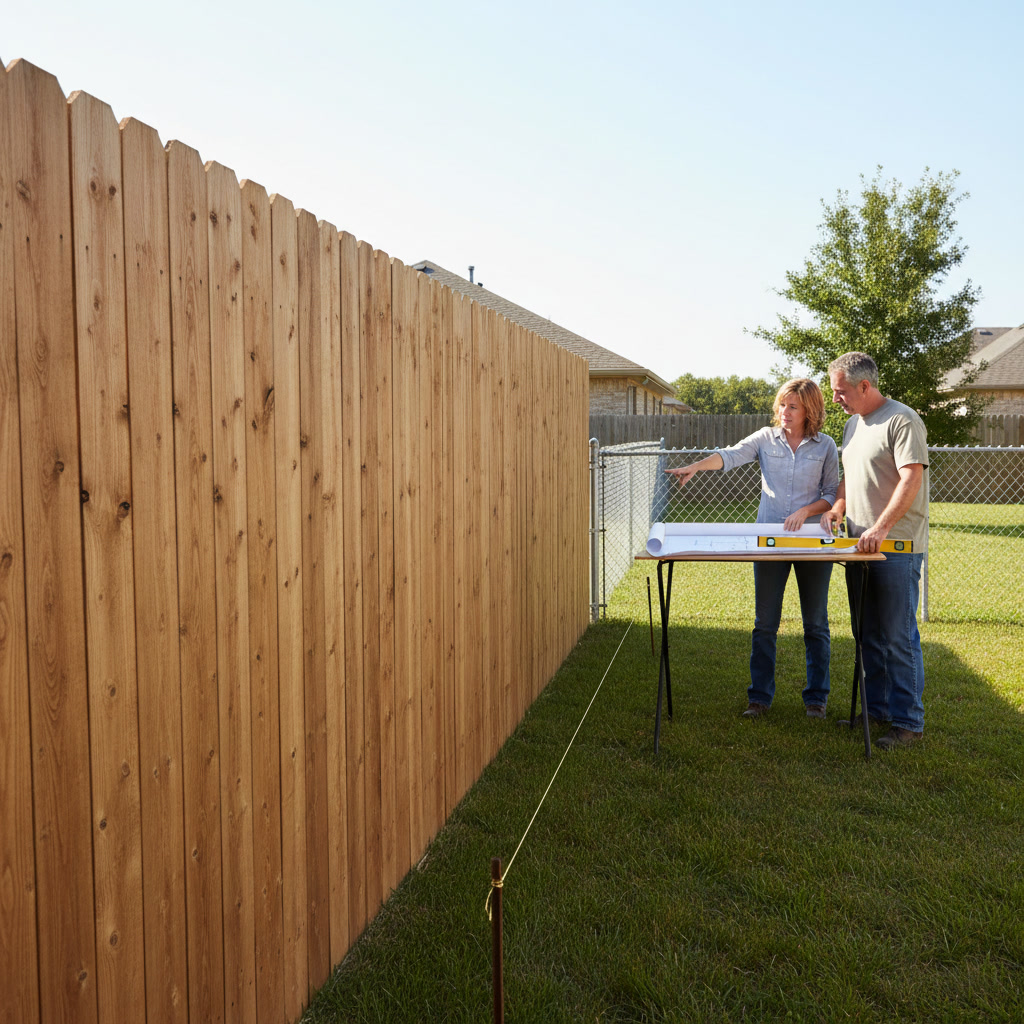
Six feet is the most common residential privacy fence height across the United States. It provides adequate screening for most adults while remaining within legal limits in nearly all jurisdictions. This height works well for backyards where you want to keep pets contained and create a visual barrier from neighbors.
Eight-foot fences deliver maximum privacy and security. They’re ideal for properties bordering busy roads, commercial areas, or multi-story buildings where upper-floor windows overlook your yard. However, this height often requires permits and may face stricter engineering standards.
Four-foot fences suit decorative or semi-private applications. They define boundaries and keep small children or pets in the yard but don’t obstruct views. Many homeowners use this height along side yards where full privacy isn’t necessary.
Matching Fence Height to Your Privacy Goals in Herber Springs
Define what you’re trying to achieve before settling on a height. If you’re screening a hot tub or outdoor shower, eight feet ensures privacy even from second-story windows. For general backyard use where you simply want to relax without feeling watched, six feet typically suffices.
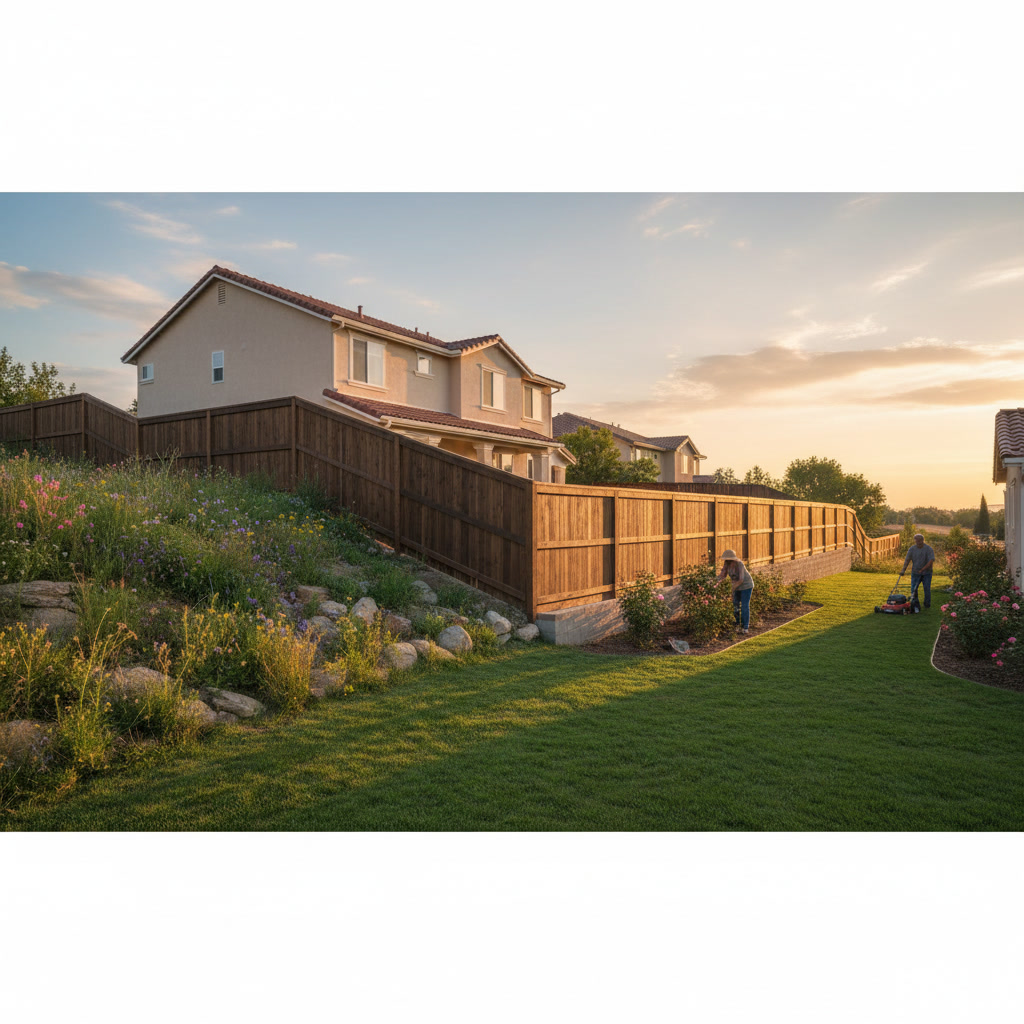
Consider the elevation of neighboring properties. If your yard sits lower than adjacent homes, you may need extra height to compensate for the grade difference. Conversely, if your lot is elevated, a standard six-foot fence might provide more screening than expected.
How Terrain and Property Lines Affect Height Decisions
Sloped lots present unique challenges. A fence following the ground’s natural contour maintains consistent height above grade but creates a stepped appearance when viewed from the side. Alternatively, a level top rail over sloping ground means varying heights at different points, which can leave gaps under panels.
Survey your property lines before installation. Fences placed even a few inches over the boundary can lead to neighbor disputes or legal action requiring costly relocation. Professional surveys eliminate guesswork and provide documentation if questions arise later.
Balancing Privacy with Curb Appeal and Neighbor Relations
Tall fences can feel imposing, especially in neighborhoods with open, friendly aesthetics. If most properties have low or no fencing, an eight-foot wall might draw complaints or appear out of place. Discuss plans with neighbors beforehand to address concerns and maintain good relationships.
Strategic placement matters as much as height. Instead of surrounding your entire property, consider fencing only the areas needing privacy. This approach reduces material costs and preserves sightlines while still achieving your primary goals.
Material choice influences perception. A solid eight-foot board fence feels more oppressive than the same height in lattice-top or shadowbox styles that allow filtered light and air movement. Combining your privacy fencing with thoughtful landscaping softens the appearance and integrates the structure into your overall yard design.
Comparing Common Height Options: 6 Feet vs 8 Feet
Six-foot fences cost less to build and maintain. Posts can be set at standard eight-foot intervals with minimal reinforcement. Installation proceeds faster, and repairs require less material. This height suits most typical privacy needs without triggering additional permitting or engineering requirements.
Eight-foot fences demand stronger posts, deeper footings, and sometimes mid-rail reinforcements. Wind resistance increases significantly with the added surface area, especially in open areas. Expect to spend 30 to 40 percent more on materials and labor compared to six-foot installations.
For security-conscious homeowners, the extra two feet makes scaling considerably harder. However, the same barrier that deters intruders can feel confining during daily use. Weigh your priorities carefully, because changing height after installation means starting over from scratch.
Special Considerations for Pools, Pets, and Outdoor Living Spaces
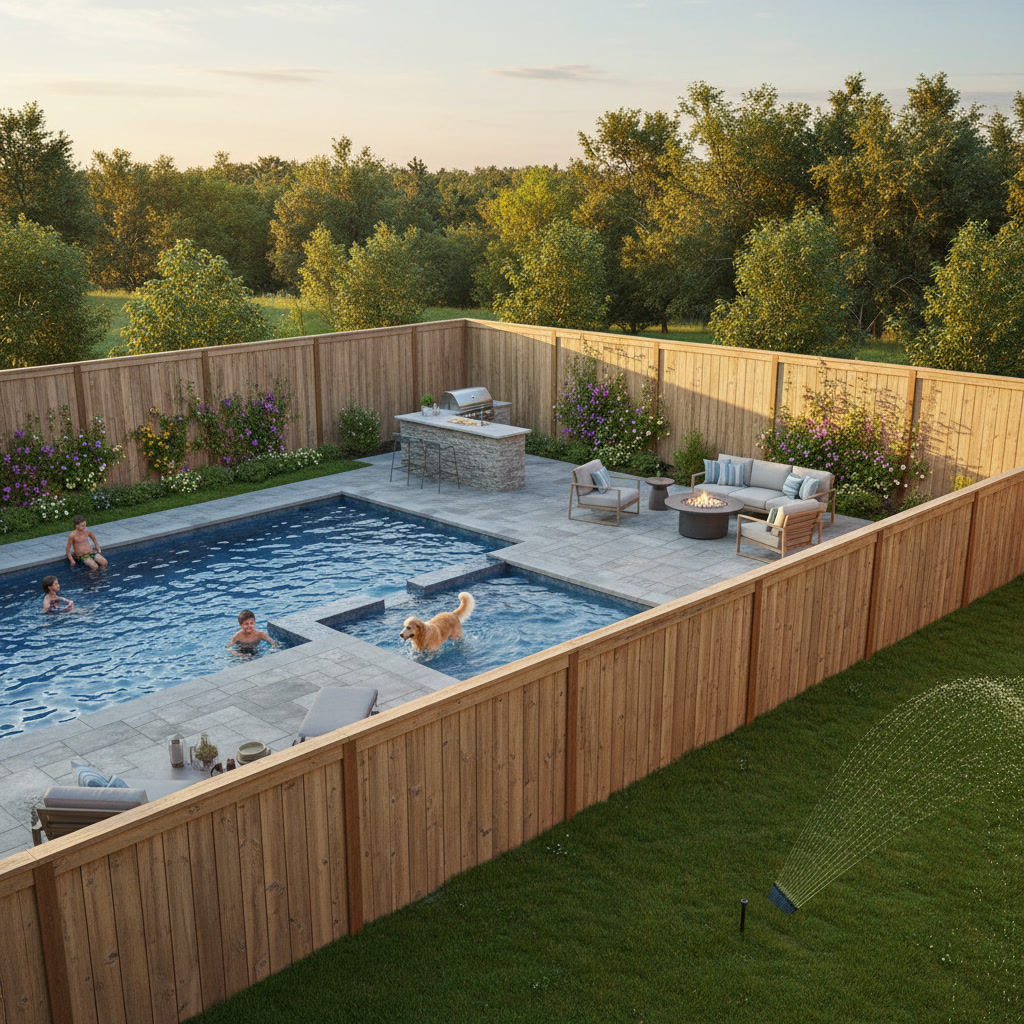
Pool enclosures face specific code requirements separate from general fencing rules. Most jurisdictions mandate at least 48-inch barriers around pools, with self-closing, self-latching gates. Many homeowners choose six-foot fencing to meet pool codes while providing privacy for swimmers.
Pet owners should consider their animals’ jumping ability. Large, athletic dogs can clear four-foot fences with ease. Six feet keeps most breeds contained, while smaller dogs do fine with four or five feet. Cats, being climbers, may require additional deterrents like roller bars or angled toppers regardless of height.
If you’re planning an outdoor remodeling project that includes living spaces like patios or outdoor kitchens, coordinate fence height with those features. An eight-foot fence might block too much natural light from a sunroom addition, while six feet allows afternoon sun to reach seating areas.
Wind, Weather, and Structural Integrity
Arkansas weather patterns include strong thunderstorms and occasional high winds. Taller fences catch more wind, creating greater stress on posts and panels. An eight-foot solid-board fence in an exposed location needs posts sunk at least 30 inches deep in concrete, spaced no more than eight feet apart.
Engineered solutions like steel posts or laminated wood supports add cost but prevent failures during severe weather. Some installers recommend reducing panel width on taller fences, placing posts every six feet instead of eight to distribute loads more effectively.
Gaps under panels, while sometimes seen as flaws, actually relieve wind pressure and reduce failure risk. A one- to two-inch gap at ground level allows air to pass beneath panels during gusts. This small compromise in total privacy can extend your fence’s lifespan significantly.
Installation Tips and Professional Guidance
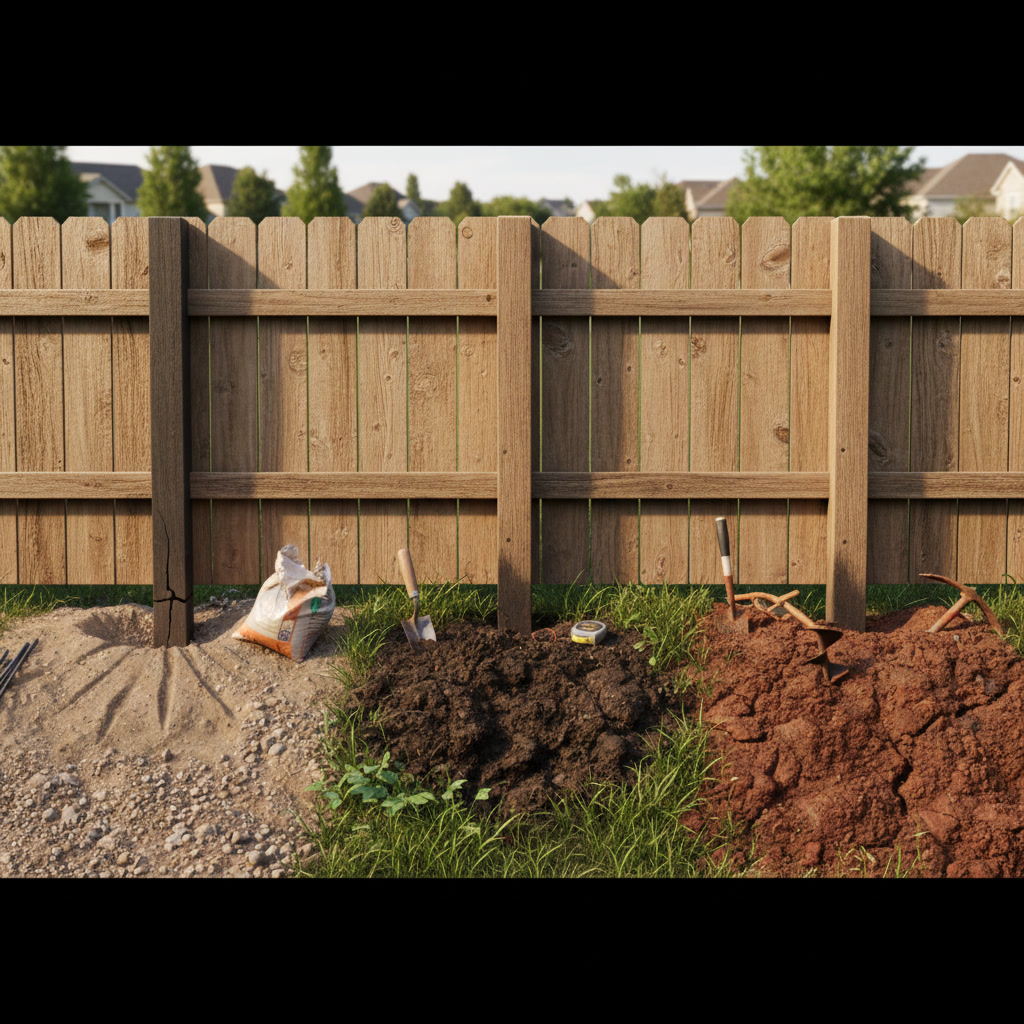
Proper post setting makes or breaks fence longevity. Posts should extend underground at least one-third of their total height. For a six-foot fence, that means two feet below grade. Eight-foot fences need posts sunk 30 to 36 inches deep, using concrete for stability.
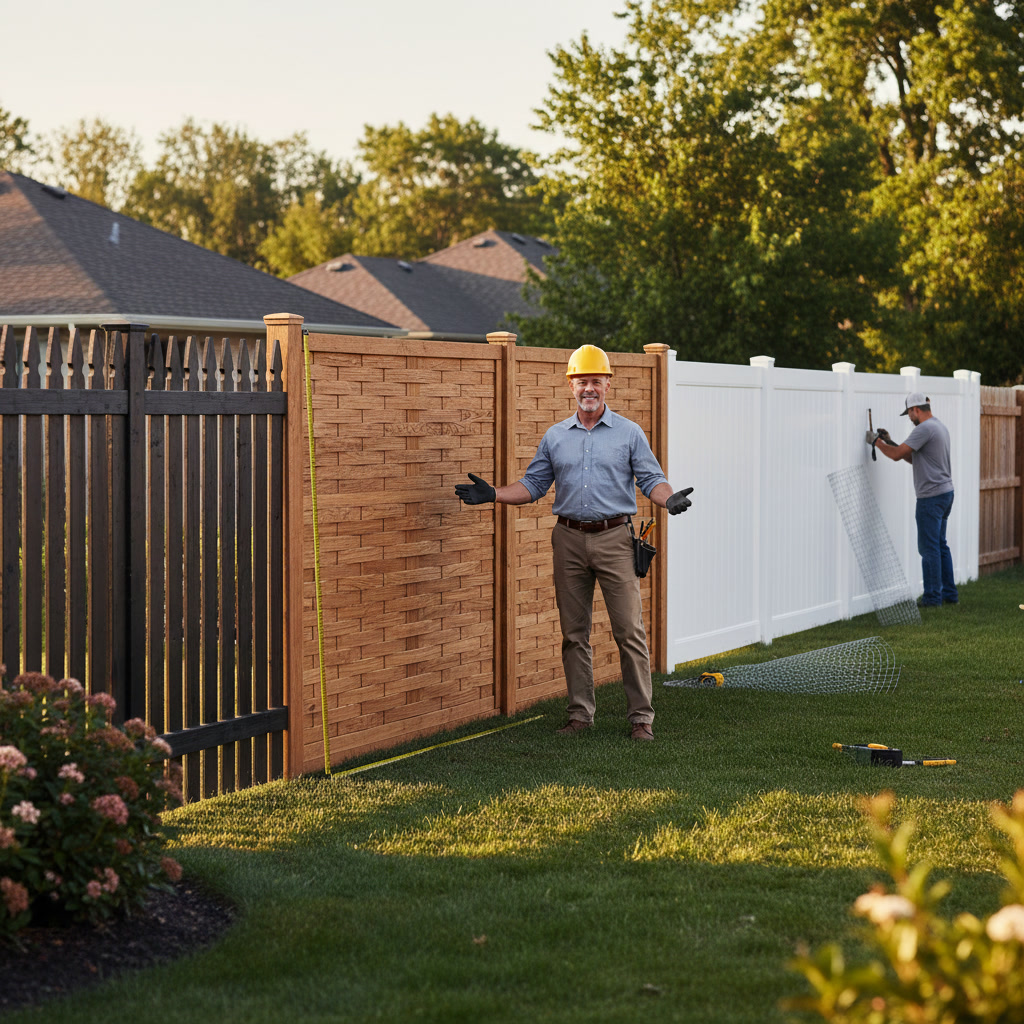
String lines and laser levels ensure straight alignment over long runs. A fence that wanders or leans detracts from appearance and may indicate structural problems. Professional installers account for grade changes, underground utilities, and optimal gate placement during the planning phase.
Herber Springs Awning and Home Improvements brings 25 years of experience to every project, understanding how local soil conditions, weather patterns, and building codes affect fence performance. Experienced contractors spot potential issues before they become expensive problems and recommend solutions tailored to your specific property.
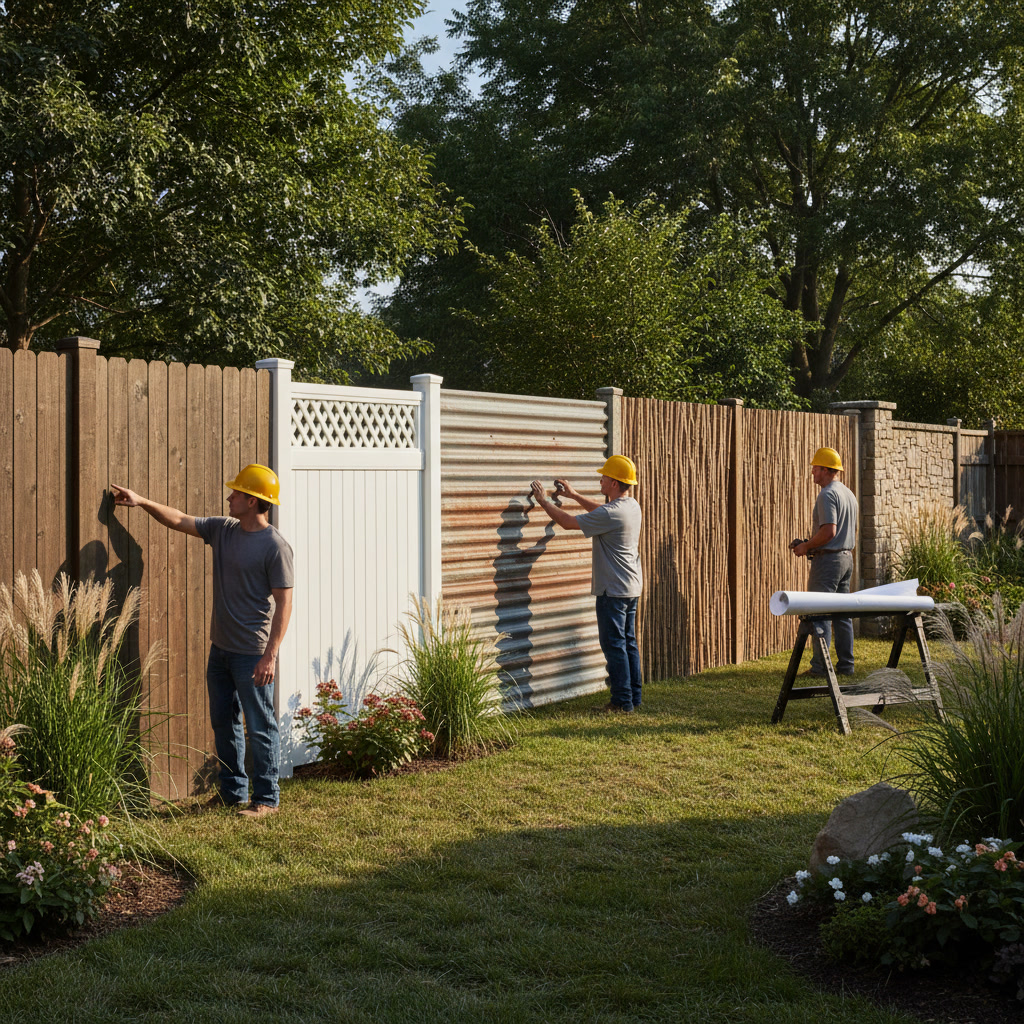
Material selection interacts with height in important ways. Vinyl fences resist rot and require little maintenance but can crack in extreme cold if panels are too large. Wood offers classic aesthetics and easy customization but needs regular staining, especially on taller installations with greater weather exposure. Metal fences provide maximum strength for tall applications but cost more upfront.
Making the Right Choice for Your Property
The ideal fence height balances privacy needs, regulatory compliance, budget constraints, and aesthetic preferences. Six feet handles most residential situations effectively, while eight feet suits properties with specific security or screening requirements. Four-foot options work where boundaries matter more than total privacy.
Walk your property at different times of day to understand sightlines from various angles. Note where neighbors’ windows overlook your yard and where you spend the most time outdoors. These observations guide height decisions better than generic recommendations.
If you’re uncertain, consult with professionals who can assess your specific situation. They’ll identify factors you might overlook and provide realistic cost estimates for different height options. The relatively small investment in expert guidance often prevents much larger mistakes. Our related guide on privacy fence installation costs can help you budget appropriately for your project.
Selecting the perfect fence height protects your investment while creating the outdoor environment you envision. Taking time to evaluate all factors upfront leads to years of satisfaction with your choice. Herber Springs Awning and Home Improvements helps homeowners throughout the region make informed decisions about privacy fencing and other outdoor improvements. Call +1 501-362-3727 to discuss your project and receive personalized recommendations based on your property’s unique characteristics.