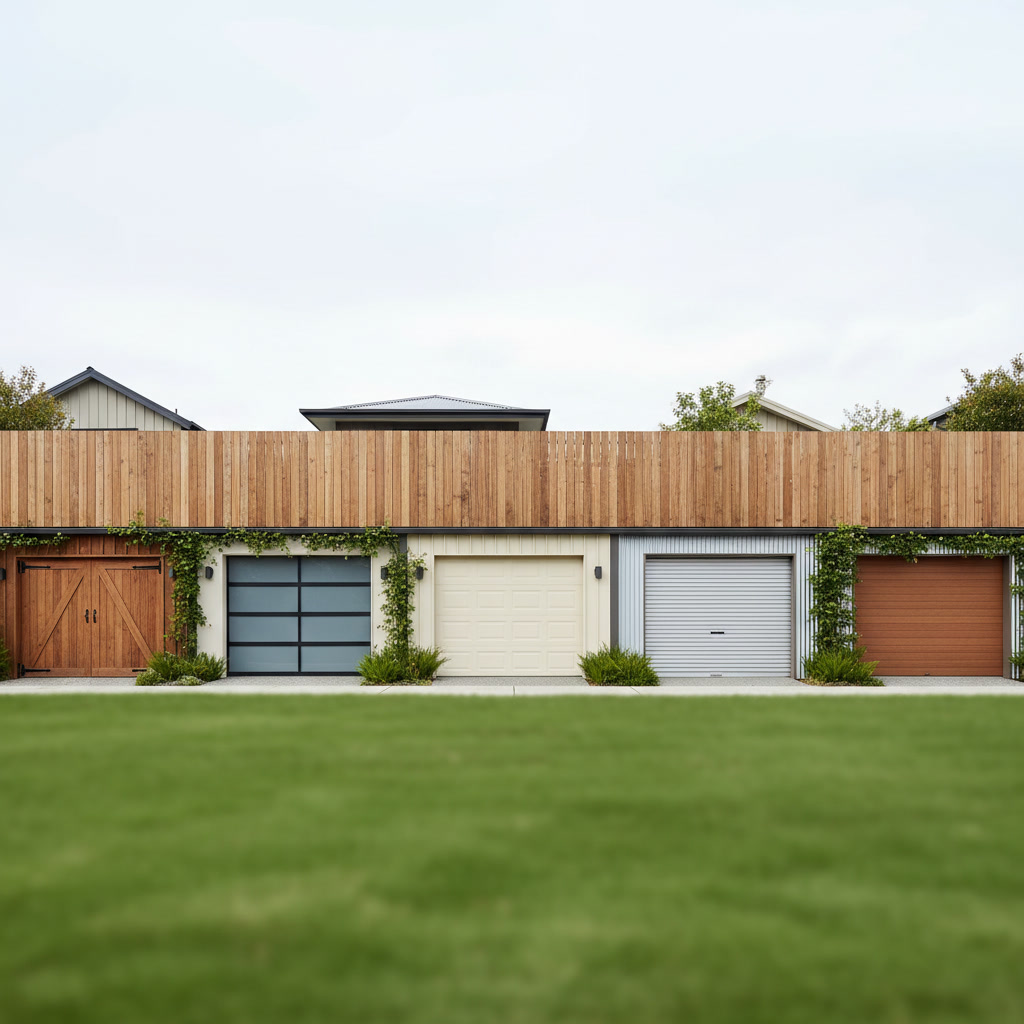
Your garage door accounts for up to 40% of your home’s curb appeal, yet many homeowners give little thought to it until something breaks. With dozens of materials, styles, and operational systems on the market, understanding the types of garage doors available helps you make a choice that combines function, durability, and aesthetics. Whether you’re building new construction or replacing an aging door, the right selection impacts your home’s value, energy efficiency, and daily convenience.
This guide breaks down the major types of garage doors by material, style, and operation method, along with practical advice for choosing the option that fits your home and budget in central Arkansas.
Main Types of Garage Doors by Material
The material you choose determines your door’s lifespan, maintenance requirements, insulation properties, and overall cost. Each option brings distinct advantages and tradeoffs.
Steel Garage Doors
Steel remains the most popular material for residential garage doors, accounting for more than 60% of installations nationwide. Modern steel doors consist of galvanized steel skins over a framework, often with polyurethane or polystyrene insulation sandwiched between layers.
Steel doors require minimal maintenance, resist warping and cracking, and come in nearly any color or texture you can imagine. They range from 24-gauge (thinner, budget-friendly) to 14-gauge (thicker, more durable) steel. A 16 or 18-gauge door with two inches of insulation provides excellent value for most homeowners.
The main drawback is susceptibility to dents from impacts, though higher-gauge steel resists this better. Coastal areas may see rust issues over time, but proper powder-coat finishing minimizes this risk in central Arkansas’s climate.
Wood Garage Doors
Wood doors deliver unmatched natural beauty and can be fully customized with routing, window placement, and stain colors. Cedar, redwood, and cypress are common species for their natural rot resistance, while hemlock and Douglas fir offer economical alternatives with proper sealing.
These doors require regular maintenance every two to three years, including sanding, sealing, and refinishing to prevent moisture damage and warping. They’re heavier than steel, which may require a more robust opener system. Wood doors typically cost 50 to 150% more than comparable steel options.
If authentic craftsmanship and traditional aesthetics matter most to you, wood may justify the investment and upkeep. For other outdoor remodeling projects that showcase natural materials, wood creates a cohesive design language across your property.
Aluminum and Glass Garage Doors
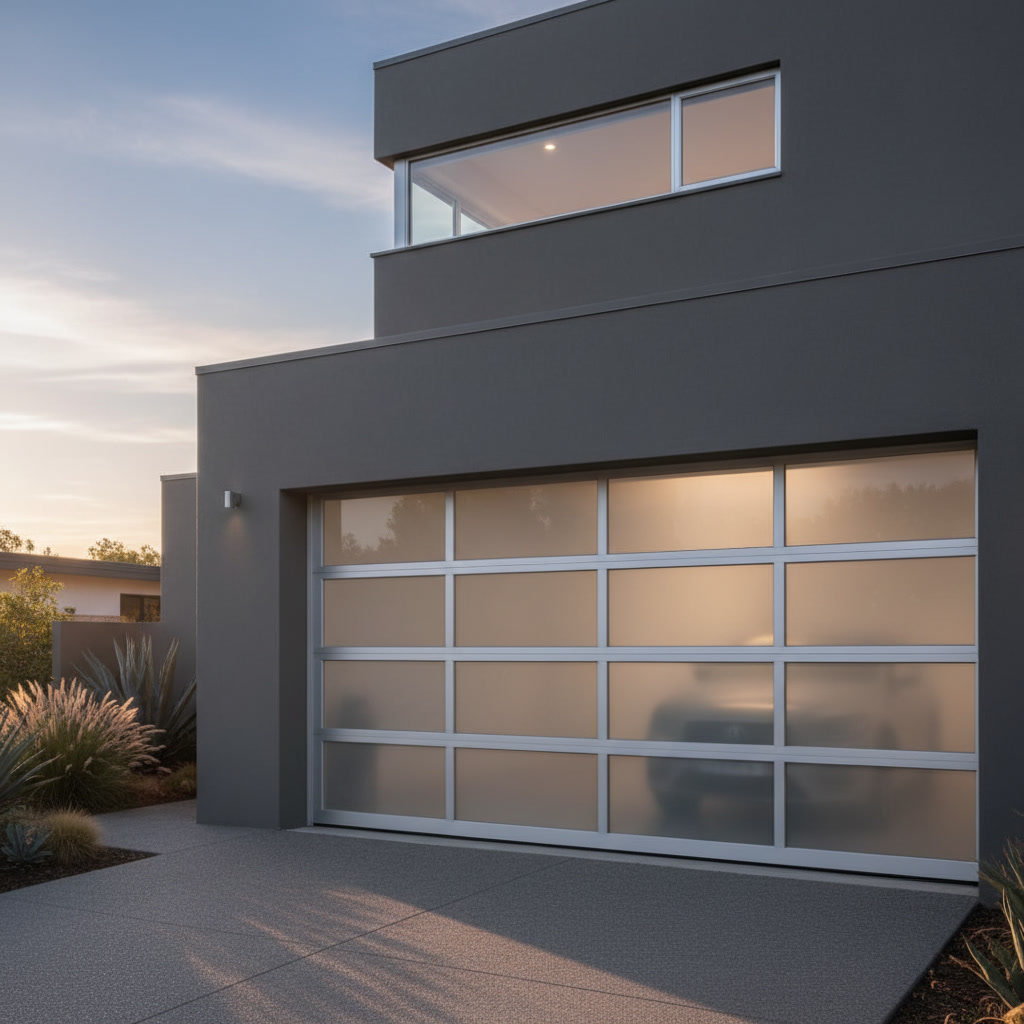
Aluminum frames with full-view glass panels have surged in popularity for modern and contemporary homes. These doors flood your garage with natural light and create an open, airy feel. They’re lightweight, rust-proof, and require virtually no maintenance beyond occasional window cleaning.
Aluminum itself dents more easily than steel, though the dents are less visible on narrow frame designs. Insulation is limited unless you choose double-pane or frosted glass panels. These doors work best for climate-controlled garages or workshop spaces where temperature regulation matters less than visibility and aesthetics.
Expect to pay 30 to 80% more than traditional steel doors, with costs climbing sharply for insulated glass or custom frame colors.
Fiberglass Garage Doors
Fiberglass doors use fiberglass panels over a steel or aluminum frame. They resist denting better than aluminum, won’t rust, and can mimic the appearance of wood grain without the maintenance burden. They’re also lighter than wood or heavy-gauge steel.
The trade-off is brittleness in extreme cold and potential fading or discoloration after years of sun exposure. In central Arkansas’s moderate climate, these issues rarely surface, making fiberglass a viable middle-ground option.
Vinyl and Composite Garage Doors
Vinyl and composite doors are constructed from PVC or polymer-based materials. They’re highly resistant to dents, rust, and moisture damage, and they never need painting or staining. These doors work particularly well in humid climates or homes near water.
Color options are limited compared to steel or wood, and vinyl can become brittle in freezing temperatures. They’re less common for residential applications but may suit specific needs where extreme durability and low maintenance are priorities.
Garage Door Styles and Designs
Once you’ve selected a material, you’ll choose a style that complements your home’s architecture. The types of garage doors available by design fall into several broad categories.
Raised Panel Doors
Raised panel designs feature rectangular sections with a raised center, creating depth and dimension. This traditional style suits ranch, colonial, and transitional homes. Most steel doors use this design because the stamped panels add structural rigidity.
Carriage House Doors
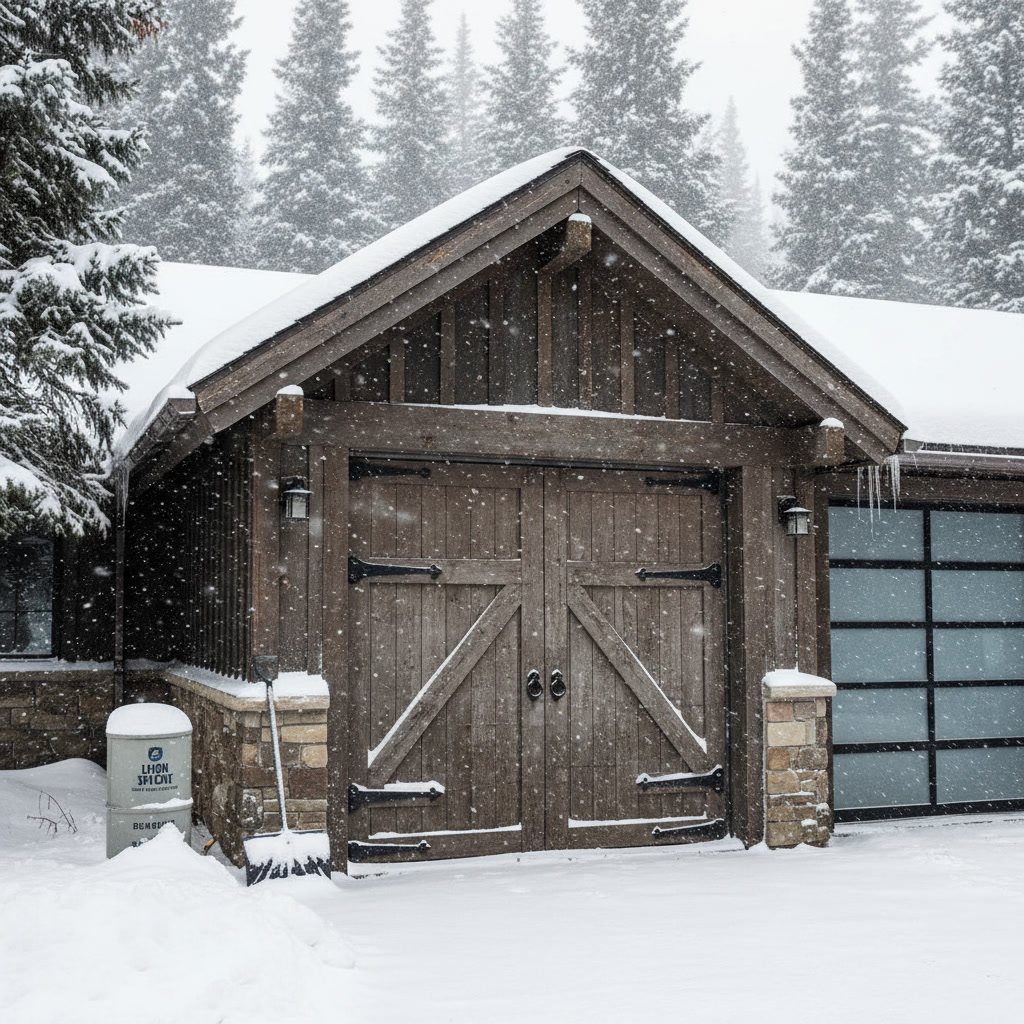
Carriage house or coach-style doors mimic the swing-out doors of historic carriage houses, though modern versions roll up on tracks like any sectional door. Decorative hardware, window grilles, and board-and-batten patterns give these doors a rustic, upscale appearance.
They pair beautifully with Craftsman, cottage, and farmhouse architecture. Steel versions with faux wood texture offer the look without the maintenance, while authentic wood carriage doors make a bold statement.
Flush Panel Doors
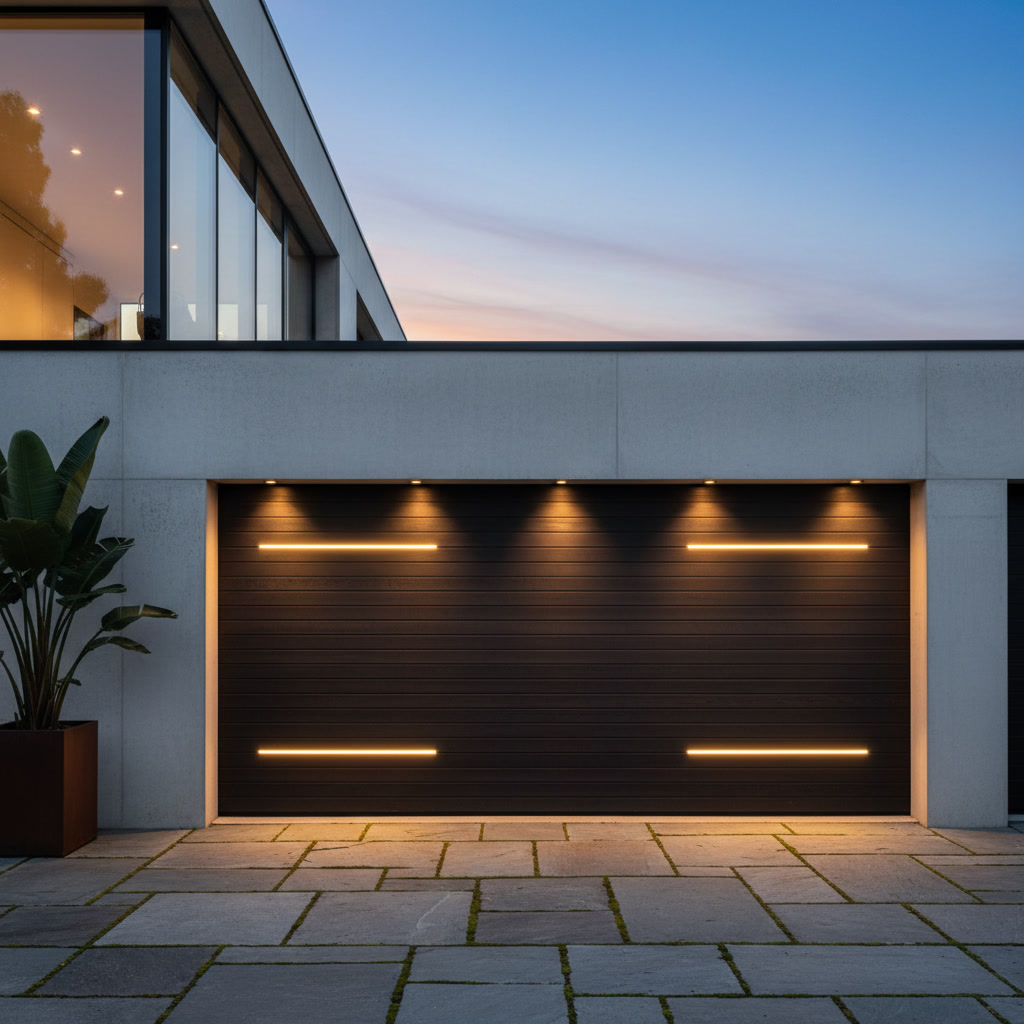
Flush or flat panel doors present a smooth, uninterrupted surface. This minimalist style complements modern and contemporary homes, especially when paired with horizontal grooves or aluminum and glass inserts. Flush steel doors are often the most budget-friendly option.
Contemporary and Modern Doors
Contemporary designs emphasize clean lines, asymmetry, and mixed materials. Think full-view glass panels framed by powder-coated aluminum, grooved steel panels, or stacked horizontal sections in contrasting colors. These doors make a statement and work best when your home’s architecture already leans modern.
Types of Garage Door Operating Systems
How your door opens and closes affects installation complexity, headroom requirements, and long-term reliability.
Sectional Garage Doors
Sectional doors are the most common type in residential applications. The door consists of three to eight horizontal panels hinged together. As the door opens, rollers guide it along vertical tracks, then horizontally along the ceiling. This design maximizes driveway space since the door doesn’t swing outward.
Sectional doors accommodate most opener types and offer excellent insulation when paired with quality weatherstripping. They’re available in virtually every material and style.
Roll-Up Garage Doors
Roll-up doors (also called coiling doors) consist of narrow horizontal slats that wrap around a drum above the opening. They save ceiling space and work well for garages with limited headroom. Commercial buildings use them frequently, but residential versions in steel or aluminum are available.
These doors typically can’t accommodate insulation or windows, and they’re noisier than sectional doors. They’re best suited for storage garages, workshops, or situations where space constraints rule out sectional doors.
Side-Hinged Garage Doors
Side-hinged doors swing open like French doors, offering easy walk-through access without raising the full door. They require clearance in front of the garage and don’t work with automatic openers unless you install an arm-style operator.
This traditional style suits carriage houses and homes where the garage serves double duty as a workshop or studio. They’re available in wood, steel, and composite materials.
Tilt-Up Garage Doors
Tilt-up doors (also called one-piece or up-and-over doors) pivot upward as a single panel, tilting into the garage before sliding along ceiling tracks. They’re less common today because they require swing clearance in the driveway, can’t be automated as easily as sectional doors, and offer fewer design options.
They remain a budget-conscious choice for simple garages or outbuildings where aesthetics and automation aren’t priorities.
How to Choose the Right Garage Door for Your Home
Selecting among the many types of garage doors comes down to balancing aesthetics, budget, climate considerations, and practical needs.
Match Your Home’s Architectural Style
Your garage door should complement, not compete with, your home’s design language. A sleek, modern door on a traditional colonial looks out of place, just as a heavy carriage house door might overwhelm a minimalist ranch.
Drive through neighborhoods in Conway, Searcy, or Batesville and note which garage doors catch your eye on homes similar to yours. Pay attention to panel style, window placement, and hardware details.
Consider Energy Efficiency and Insulation
An insulated garage door reduces energy loss if your garage shares a wall with living spaces or contains a workshop you heat or cool. Look for doors with R-values between 12 and 20 for meaningful thermal performance.
Polyurethane insulation outperforms polystyrene because it bonds directly to the door panels, adding rigidity and sound dampening. If energy efficiency matters less because your garage is detached or unheated, you can save money with an uninsulated door.
Assess Maintenance Requirements
Be honest about how much time and effort you’re willing to invest. Steel doors need a wash once or twice per year and occasional lubrication of moving parts. Wood doors demand refinishing every few years. Aluminum and fiberglass fall somewhere in between.
If you’re already managing landscaping and other outdoor projects, a low-maintenance material may free up your weekends. For help with other aspects of your property, explore options for patio covers or decks that also balance beauty with upkeep.
Pro Tip: Always choose a door with a warranty of at least 10 years on materials and moving parts. Quality manufacturers stand behind their products, and a solid warranty signals confidence in durability.
Factor in Local Climate
Central Arkansas experiences hot, humid summers and mild winters with occasional ice. Steel doors with rust-resistant coatings and weatherproof seals handle this climate well. Wood doors need extra sealing attention in humid months to prevent swelling or warping.
If your home sits in a particularly exposed location with strong winds, look for doors rated for wind load. Many manufacturers offer wind-rated options for areas prone to severe weather.
Set a Realistic Budget
Garage doors range from around 800 dollars for a basic single-car steel door to 6,000 dollars or more for a custom double-car wood door with premium hardware and insulation. Installation adds another 300 to 1,000 dollars depending on complexity.
Don’t forget to budget for an opener if you’re replacing an old system. Belt-drive openers run quieter than chain-drive models, and smart openers with Wi-Fi connectivity add convenience. As with other home improvements like patio cover projects, getting multiple quotes helps you understand fair market pricing.
Additional Features to Consider
Beyond the basic door type, several features enhance function and appearance.
Windows and Glazing
Windows let natural light into your garage, reducing the need for artificial lighting during the day. They also add visual interest and can transform a plain door into a focal point. Choose from clear, frosted, tinted, or decorative glass in various window shapes.
Keep in mind that windows reduce privacy and may require curtains if you store valuables in your garage. Insulated glass windows help maintain energy efficiency.
Smart Technology and Automation
Modern garage door openers integrate with home automation systems, letting you open, close, and monitor your door from your smartphone. Many systems send alerts if the door is left open or if someone attempts to access it.
Battery backup systems keep your door operational during power outages, an important feature during Arkansas storm season.
Security Features
Look for doors with pinch-resistant panels, tamper-proof brackets, and rolling code technology on the opener to prevent hacking. Solid construction and quality locking mechanisms deter break-ins.
If security is a top concern, consider adding a deadbolt or keypad entry system for walk-through access without raising the full door.
Professional Installation Matters
Garage doors are heavy, spring-loaded systems that pose serious safety risks during installation. A professional installer ensures proper balance, alignment, and tension adjustment, which extends the life of your door and opener.
Experienced installers also spot potential issues like inadequate framing, damaged tracks, or insufficient headroom before they become expensive problems. With 25 years of experience serving homeowners across central Arkansas, Herber Springs Awning and Home Improvements brings the expertise needed for safe, reliable garage door installation.
Frequently Asked Questions
What is the most durable type of garage door?
Steel garage doors with a 16 or 18-gauge thickness and polyurethane insulation offer the best combination of durability, weather resistance, and value. Higher-gauge steel resists dents, while quality powder coating prevents rust. With minimal maintenance, a well-built steel door lasts 20 to 30 years or more.
How often should I replace my garage door?
Most garage doors last 15 to 30 years depending on material, climate, and maintenance. Replace your door if you notice significant rusting, warping, broken panels, excessive noise, or safety sensor failures. Difficulty opening or closing, even after repairs, also signals it’s time for replacement.
Do insulated garage doors really make a difference?
Yes, especially if your garage is attached to your home or you use the space as a workshop. Insulated doors with R-values of 12 or higher reduce heat transfer, lower energy bills, and dampen noise. They also feel more solid and operate more quietly than uninsulated doors.
Can I install a new garage door myself?
While it’s technically possible, garage door installation involves tensioned springs that can cause serious injury if mishandled. Professional installation ensures proper balance, safety feature calibration, and warranty compliance. Most manufacturers require professional installation to honor warranties, and the cost difference is small compared to the safety risk.
What garage door style adds the most curb appeal?
Carriage house doors consistently rank high for curb appeal because they add character and visual interest. For modern homes, contemporary doors with aluminum and glass panels make a striking impression. The best choice depends on your home’s architecture. Choose a style that harmonizes with existing design elements like your front door, siding, and trim.
Making Your Decision
Understanding the types of garage doors available by material, style, and operation gives you the foundation to choose a door that serves your home for decades. Prioritize the factors that matter most to you, whether that’s low maintenance, authentic wood beauty, energy efficiency, or modern aesthetics. The right door improves your daily routine, protects your vehicles and belongings, and enhances your home’s value and appearance.
Herber Springs Awning and Home Improvements has served homeowners throughout Heber Springs, Conway, Searcy, Batesville, and surrounding central Arkansas communities for 25 years. Our team guides you through every decision, from selecting the ideal door type to ensuring flawless installation. Contact us at +1 501-362-3727 to schedule a consultation and discover which garage door fits your home and budget.