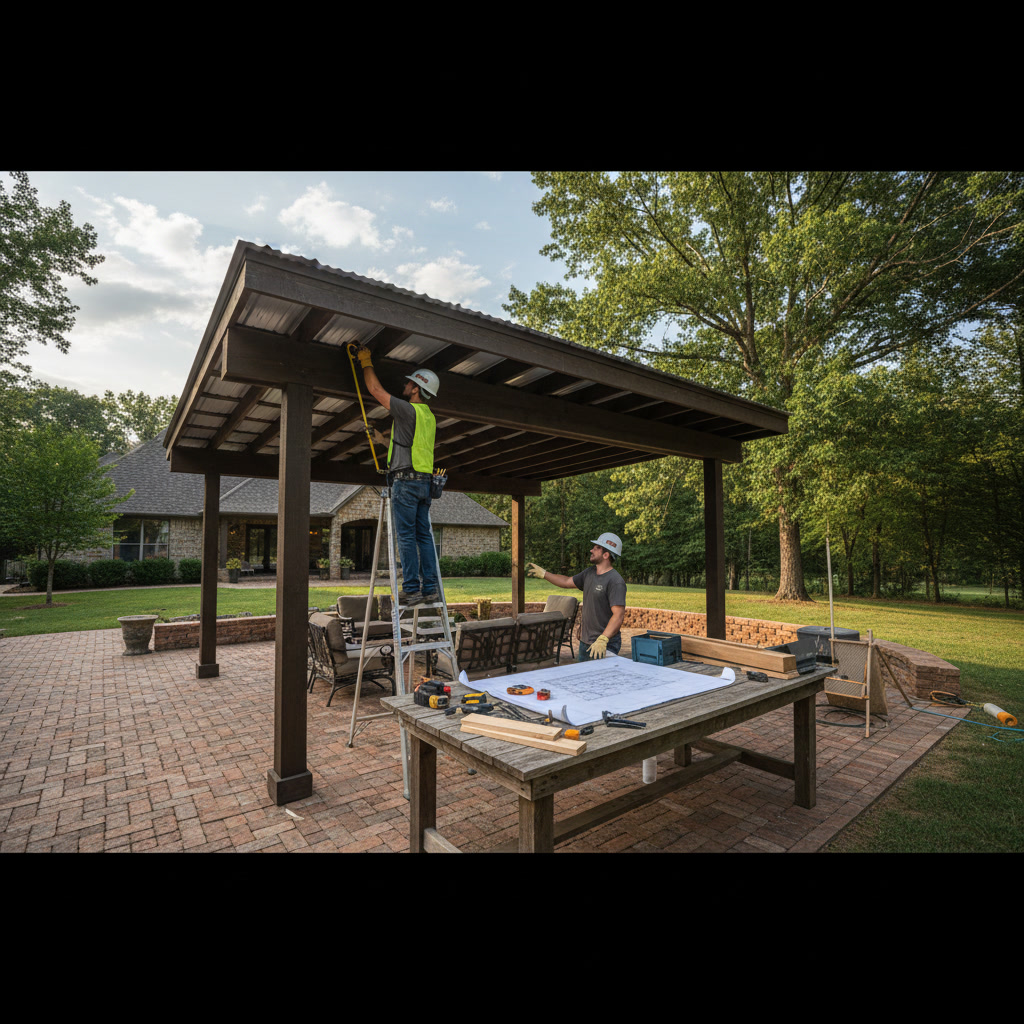
Your backyard patio is too hot to enjoy in summer and sits unused for months. Adding a patio cover solves that problem, but most Arkansas homeowners want to know the bottom line before they start planning. The typical patio cover cost in Arkansas ranges from $3,000 to $25,000, depending on size, materials, and design complexity. That’s a wide range, and understanding what drives the price helps you budget accurately and make smart choices for your home.
This guide breaks down every factor that affects what you’ll pay, from material selection to installation labor. You’ll see real numbers for different patio cover types, learn which features add the most value, and discover where you can save money without sacrificing quality.
Average Patio Cover Costs by Material Type
The material you choose has the single biggest impact on your total project cost. Each option offers different benefits, lifespans, and maintenance requirements that affect both upfront and long-term expenses.
Aluminum Patio Covers
Aluminum covers typically cost between $10 and $25 per square foot installed. For a standard 12×20 foot patio, expect to pay $2,400 to $6,000. These covers resist rust, require minimal maintenance, and hold up well in Arkansas’s humid climate.
Insulated aluminum panels cost more, around $20 to $35 per square foot, but they block heat better and reduce the drumming sound during rainstorms. Many homeowners in Searcy and Judsonia prefer aluminum for its durability and clean appearance.
Wood Patio Covers
Wood covers range from $15 to $40 per square foot depending on the wood species and design. Pressure-treated pine is the most affordable option at $15 to $25 per square foot. Cedar and redwood cost $25 to $40 per square foot but offer better natural resistance to rot and insects.
A 12×20 foot wood patio cover runs $3,600 to $9,600. Wood provides a traditional look that many homeowners love, though it requires more maintenance than aluminum or vinyl. You’ll need to seal or stain wood covers every two to three years to protect them from Arkansas weather.
Vinyl Patio Covers
Vinyl covers cost $12 to $30 per square foot installed. They never need painting, resist fading, and clean easily with soap and water. A 240-square-foot vinyl cover typically costs $2,880 to $7,200.
Higher-end vinyl systems with insulated roofing panels cost closer to $30 to $45 per square foot. These provide better temperature control and often include integrated lighting channels and decorative trim options.
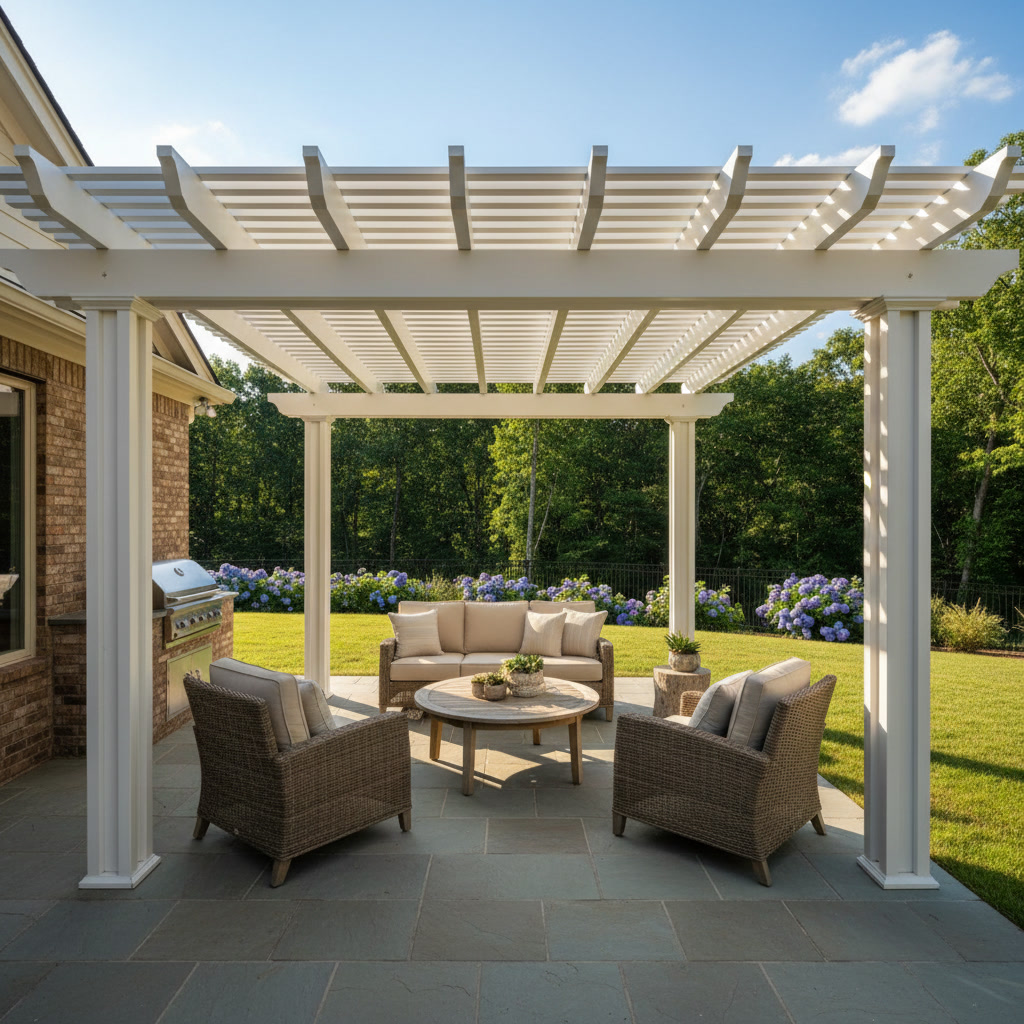
Size and Design Factors That Affect Price
Beyond materials, the size and complexity of your patio cover design significantly impact the final patio cover cost.
Square Footage Calculations
Most contractors price patio covers by the square foot. A simple 10×10 foot cover costs $1,500 to $4,000. Medium-sized 12×16 foot covers run $2,300 to $7,700. Large 16×20 foot covers range from $3,800 to $12,800.
The per-square-foot price often decreases slightly as the project gets larger because fixed costs like permits and setup are spread across more area.
Attached vs Freestanding Structures
Attached patio covers that connect to your home’s exterior wall typically cost 15% to 25% less than freestanding structures. They use the house for support, requiring fewer posts and less foundation work.
Freestanding covers need posts on all sides and stronger foundations, adding $1,500 to $4,000 to the project cost. However, they offer more flexibility in placement and don’t require modifications to your home’s exterior.
Roof Style Options
A flat or single-slope roof is the most affordable option. Gable roofs add architectural interest but cost 20% to 30% more due to additional framing and materials. Hip roofs and curved designs can increase costs by 40% to 60% because they require more complex engineering and skilled labor.
Pro Tip: A single-slope roof that matches your home’s existing pitch provides good water drainage and keeps costs down while looking intentional and well-planned.
Installation and Labor Costs in Arkansas
Labor typically represents 40% to 60% of your total patio cover cost. Rates vary across different parts of the state based on local competition and demand.
In Judsonia, Bald Knob, and surrounding smaller communities, installation labor runs $30 to $55 per hour. In Searcy, Cabot, and larger cities, expect $45 to $75 per hour. A standard patio cover installation takes two to five days depending on size and complexity.
Simple attached aluminum covers might only require 16 to 24 labor hours, costing $720 to $1,800 in labor alone. Complex custom wood designs can require 40 to 60 hours, adding $1,800 to $4,500 to your project.
Permit and Inspection Fees
Most Arkansas municipalities require building permits for patio covers. Permit costs range from $100 to $500 depending on your location and project value. Judsonia, Kensett, and Bradford typically charge on the lower end of that range.
Some areas also require structural engineering stamps for larger covers, adding $300 to $800. Your contractor should handle permit applications and schedule required inspections.
Additional Features That Impact Overall Cost
Once you have the basic structure planned, several optional features can enhance functionality and appearance while adding to the budget.
Lighting and Electrical Work
Adding electrical outlets and lighting increases costs by $500 to $2,500. Simple surface-mounted fixtures cost less than recessed lighting systems. Many homeowners add ceiling fans, which require additional structural support and wiring, adding $300 to $800 per fan installed.
Screens and Enclosures
Screening in your covered patio adds $5 to $15 per square foot. A screen wall system for a 12×20 foot cover costs $1,200 to $3,600. This investment keeps out mosquitoes and other insects that are common in Arkansas, especially near Pangburn and McRae where wooded areas are prevalent.
Retractable screen systems cost more, around $15 to $30 per square foot, but give you flexibility to open the space when bugs aren’t an issue.
Gutters and Drainage
Proper water management protects your patio and foundation. Adding gutters and downspouts costs $8 to $15 per linear foot. For a typical patio cover, budget $300 to $800 for a complete gutter system.
Without gutters, water sheets off the roof during Arkansas’s heavy spring rains, creating puddles and potential drainage problems around your foundation.
Cost Comparison Between DIY and Professional Installation
Some homeowners consider building their own patio cover to save money. Material-only kits cost $1,500 to $8,000 depending on size and type. That sounds appealing compared to full installation prices, but several factors make professional installation worth considering.
DIY projects take significantly longer, often requiring several weekends or weeks for someone without construction experience. Mistakes with foundation work, framing, or roof attachment can create safety hazards or water damage that costs more to fix than you saved.
Professional installers carry liability insurance and typically warrant their work for one to five years. They also handle permit applications and know local building codes, reducing the risk of failed inspections or required modifications.
Key Takeaway: DIY might save 30% to 50% on labor costs, but only if you have construction skills, the right tools, and time to complete the work correctly. For most homeowners, professional installation provides better value and peace of mind.
Ways to Reduce Your Patio Cover Cost Without Sacrificing Quality
Smart planning can lower your expenses while still delivering a patio cover you’ll enjoy for decades.
Choose Standard Sizes and Simple Designs
Custom dimensions and complex shapes require more cutting, waste, and labor time. Sticking to standard lumber lengths and common dimensions reduces material waste and installation time. A simple rectangular cover with a single-slope roof costs 20% to 35% less than curved or multi-level designs.
Select Mid-Grade Materials
You don’t need premium materials to get good performance. Mid-grade aluminum or pressure-treated lumber provides excellent durability at lower cost than top-tier options. Save decorative upgraded materials for visible areas and use standard materials where they won’t be noticed.
Schedule During Off-Peak Seasons
Contractors stay busiest from April through September. Booking your project for late fall or winter might qualify you for off-season discounts of 10% to 20%. Just make sure your contractor can complete the work despite potentially cold or wet weather conditions.
Handle Site Preparation Yourself
Clearing the patio area, moving furniture, and removing old structures yourself saves labor hours. Some homeowners also handle post-project cleanup and staining to reduce the contractor’s time on site.
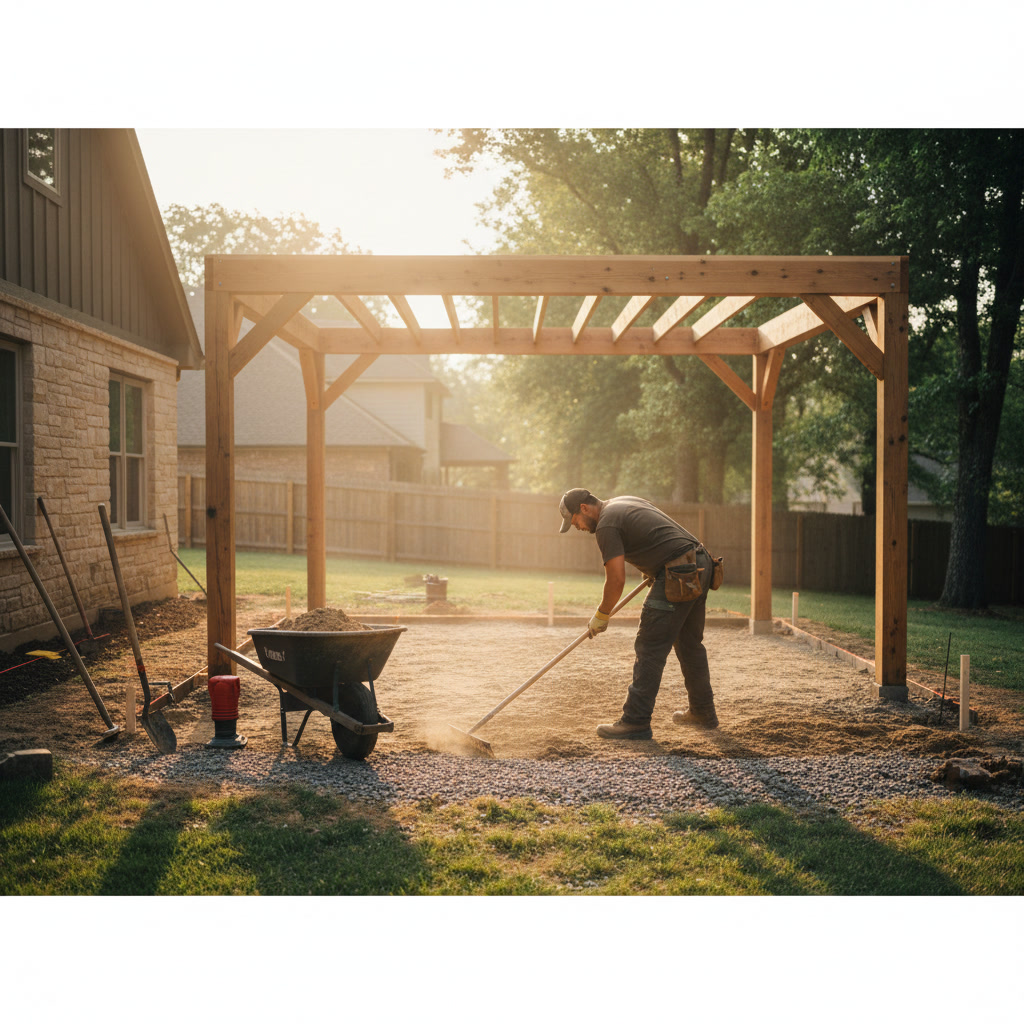
Return on Investment for Patio Covers
While patio cover cost is significant, these structures deliver real value. Most patio covers provide a 50% to 80% return on investment when you sell your home. In desirable areas around Beebe, Higginson, and Cabot, attractive outdoor living spaces help homes sell faster and appeal to buyers who value ready-to-use amenities.
Beyond resale value, patio covers extend your living space without the cost of adding square footage to your home. They protect patio furniture from sun and rain damage, potentially saving you hundreds on replacement costs over the years.
Covered patios also reduce cooling costs by shading windows and doors, preventing direct sun from heating your home’s interior. Some homeowners report 10% to 20% reductions in summer air conditioning costs, though savings vary based on your home’s orientation and cover design.
Questions to Ask Before Starting Your Project
Before you commit to a contractor or design, get clear answers to these questions.
What’s included in the quote? Some contractors provide all-inclusive pricing while others charge separately for permits, site prep, or cleanup. Ask for an itemized estimate that breaks down materials, labor, and additional costs.
Does the price include a warranty? Quality contractors warrant their workmanship for at least one year. Material warranties vary by product, from 10 years for some aluminum to 30 years for premium vinyl.
What’s the payment schedule? Never pay the full amount upfront. Typical payment terms include a deposit of 10% to 30%, progress payments as work is completed, and final payment after inspection and your approval.
How long will the project take? Most patio covers are completed in three to seven days depending on size and complexity. Weather delays can extend timelines, especially during Arkansas’s wet spring season.
Working With Experienced Local Contractors
Choosing the right contractor affects both your final cost and the quality of your finished patio cover. Look for companies with established local presence, not fly-by-night operators who disappear after the deposit clears.
Check that they carry current liability insurance and workers’ compensation coverage. Ask for recent references from homeowners in your area and look at completed projects if possible.
Companies with 20 to 30 years of experience, like Herber Springs Awning and Home Improvements, understand Arkansas weather patterns and building codes. They’ve seen what works long-term in local conditions and can guide you toward designs that perform well.
Get at least three written quotes before choosing a contractor. The lowest bid isn’t always the best value, especially if it leaves out important details or uses substandard materials.
Frequently Asked Questions
How much should I budget for a basic patio cover?
For a basic aluminum or vinyl cover on a standard 12×16 patio, budget $3,000 to $6,000 including materials and installation. This gets you a functional, durable cover without premium features. Wooden covers and larger sizes start around $5,000 to $8,000.
Do patio covers need foundations in Arkansas?
Yes, patio cover posts require concrete footings that extend below the frost line, typically 12 to 24 inches deep in Arkansas. Proper foundations prevent settling and structural problems. Most contractors include foundation work in their standard installation pricing.
How long do different patio cover materials last?
Aluminum covers last 25 to 40 years with minimal maintenance. Properly maintained wood covers last 15 to 25 years before needing significant repairs or replacement. Quality vinyl covers last 20 to 30 years and maintain their appearance better than wood.
Can I finance a patio cover installation?
Many contractors offer financing options or work with third-party lenders. Home improvement loans typically range from 5% to 12% APR depending on your credit. Some homeowners use home equity lines of credit, which often have lower rates for larger projects.
What time of year is cheapest for patio cover installation?
Late fall and winter months typically offer the best pricing because demand drops after the busy spring and summer season. You might save 10% to 20% by scheduling installation between November and February, though weather can affect project timelines during these months.
Planning Your Patio Cover Investment
Understanding patio cover cost helps you plan a project that fits your budget and meets your outdoor living goals. Most Arkansas homeowners spend $3,000 to $15,000 for quality covers that add value and comfort to their homes. The right combination of materials, size, and features depends on how you’ll use the space and what matters most to your household.
Herber Springs Awning and Home Improvements has served homeowners throughout Judsonia, Searcy, Bald Knob, Kensett, Beebe, and surrounding communities for 25 years. If you’re ready to discuss your patio cover project and get an accurate estimate for your home, call +15012069649 to schedule a consultation. We’ll evaluate your space, answer your questions, and provide a detailed quote that breaks down exactly what you’ll get for your investment.