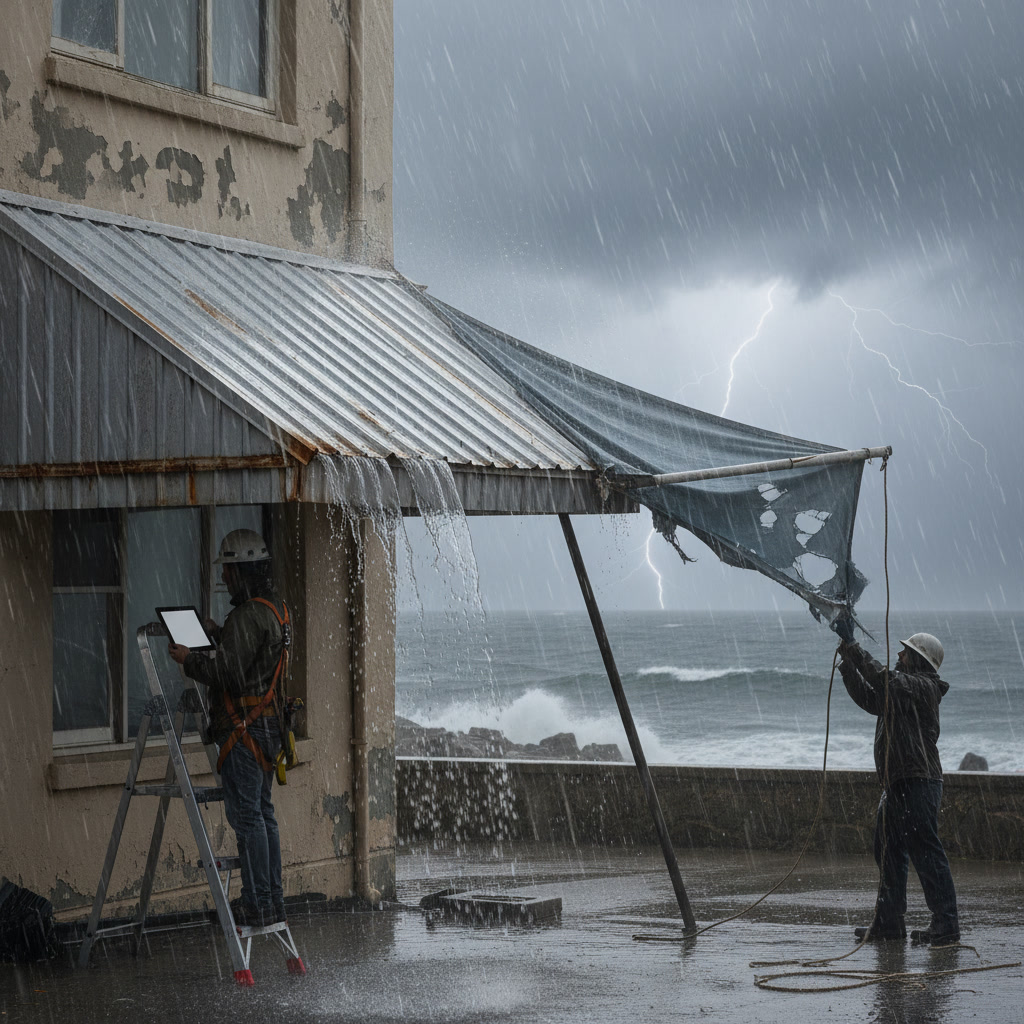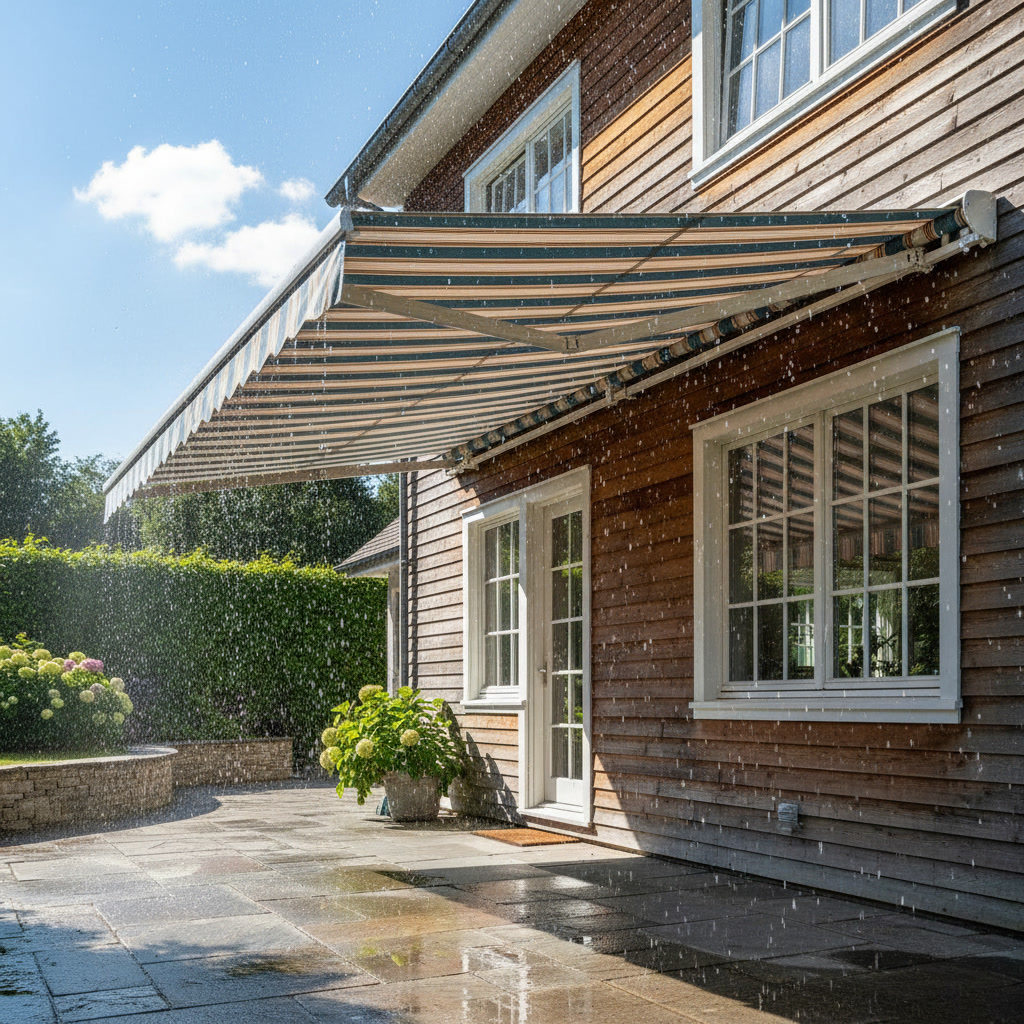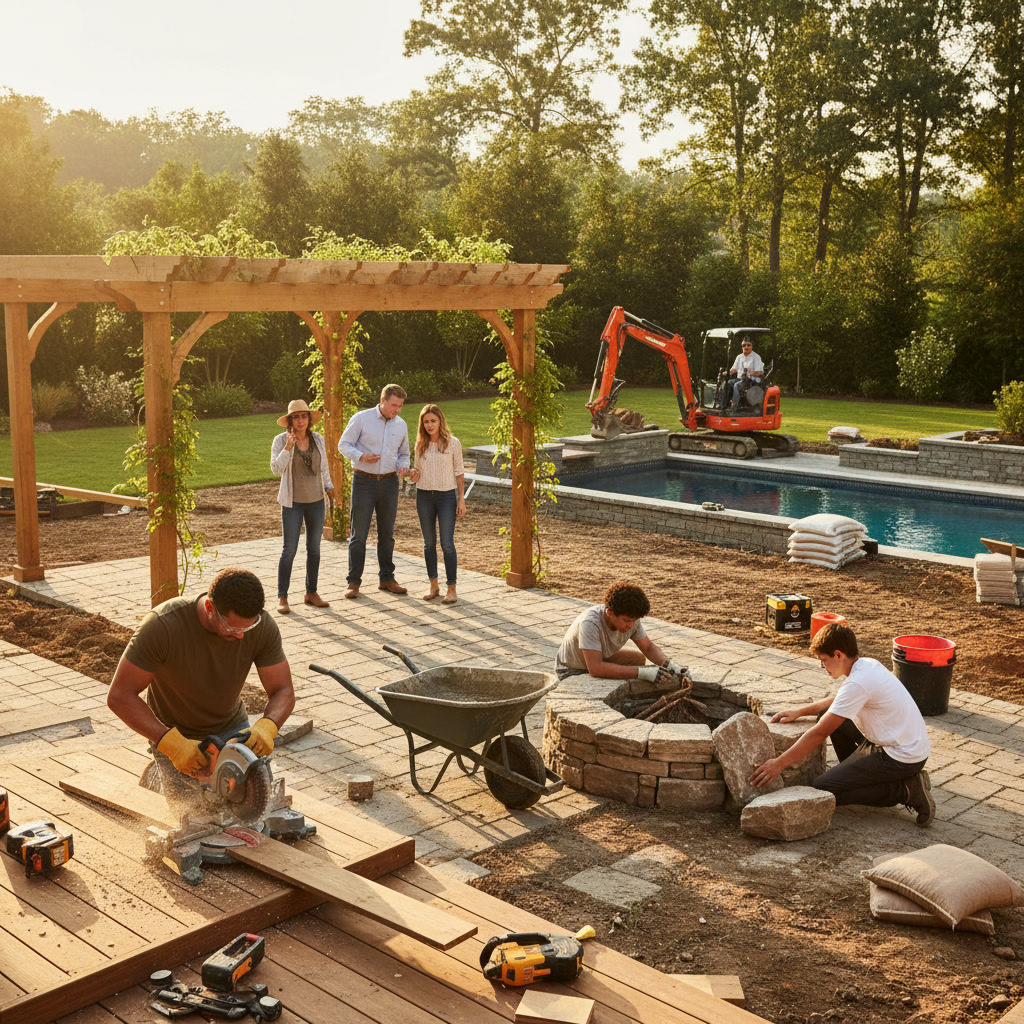
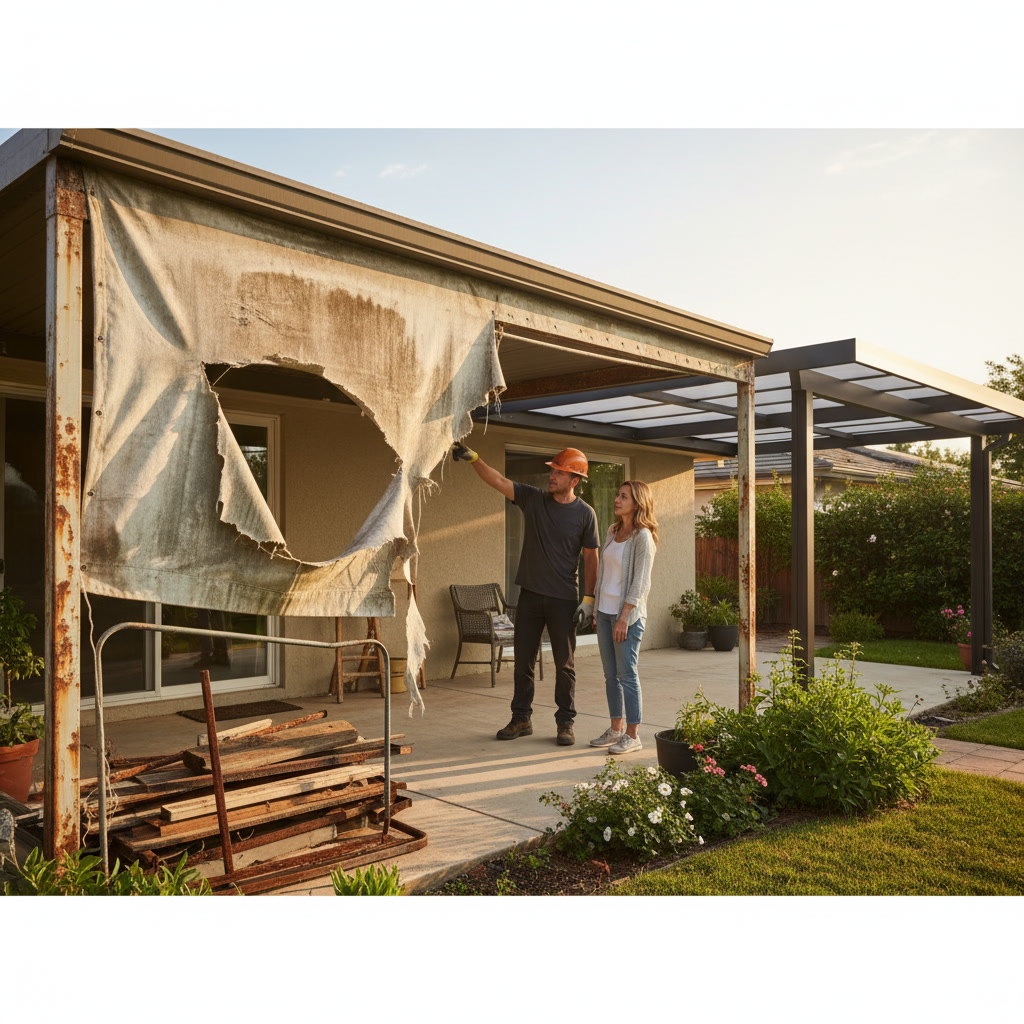
Your patio cover shields you from harsh sun, rain, and the elements while extending your living space outdoors. But cracks in the structure, sagging beams, water damage, and outdated materials all signal that the clock is ticking. Knowing when to replace patio cover structures can save you from costly emergency repairs, protect your home’s foundation, and restore the beauty of your outdoor space.
This guide walks you through the seven most common warning signs that your patio cover needs replacement, what materials work best for Arkansas weather, and how to plan your upgrade without breaking the bank.
Warning Signs Your Patio Cover Needs Replacement
Most patio covers last 15 to 30 years depending on material quality, installation, and maintenance. Even the sturdiest structures eventually show their age. Recognizing these warning signs early helps you plan a replacement on your timeline instead of facing an emergency situation.
Structural Damage and Sagging
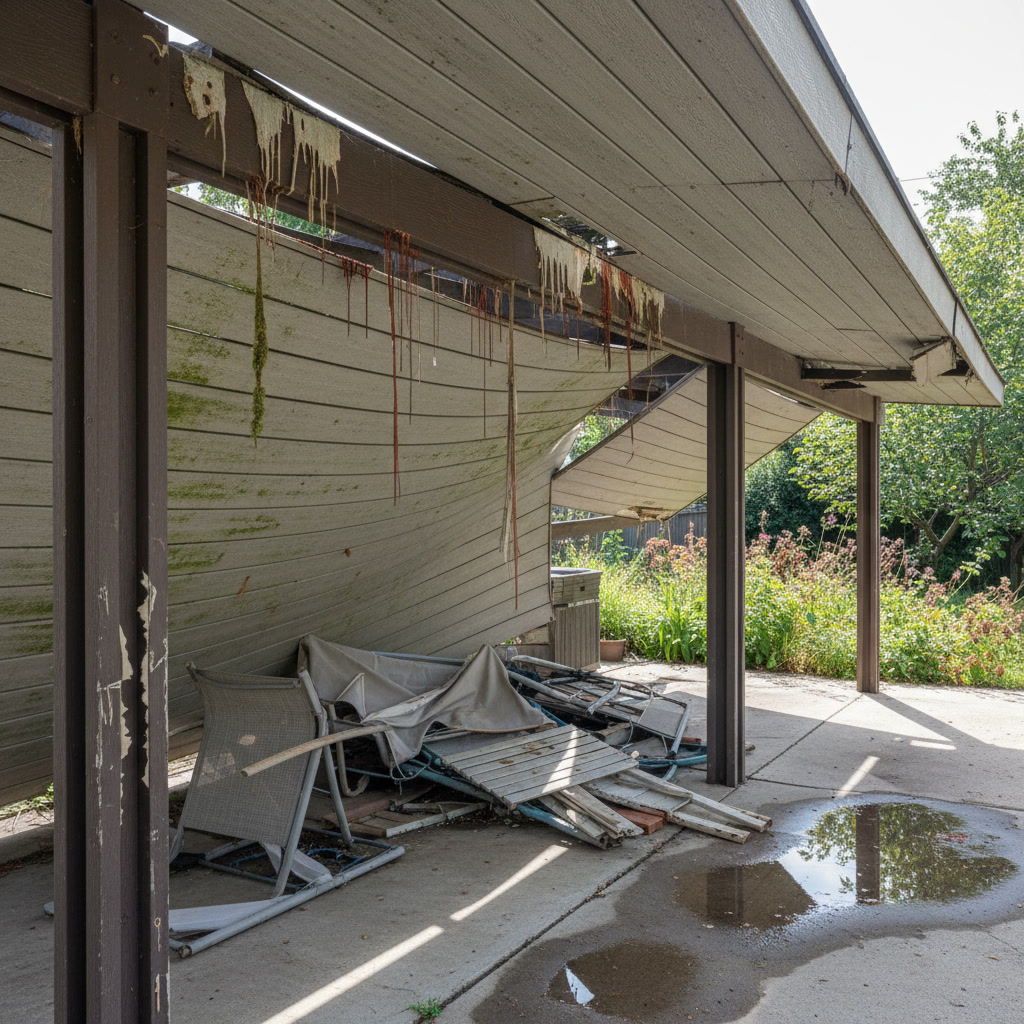
Visible sagging in your patio cover’s beams or rafters indicates serious structural compromise. Wood beams can warp from moisture exposure, while metal supports may bend under heavy snow or ice loads. Check for beams that no longer sit level or areas where the cover appears to dip.
If you notice posts pulling away from their mounting points or the entire structure leaning to one side, replacement should happen soon. These issues worsen quickly and pose safety risks to anyone using the patio.
Widespread Water Damage and Rot
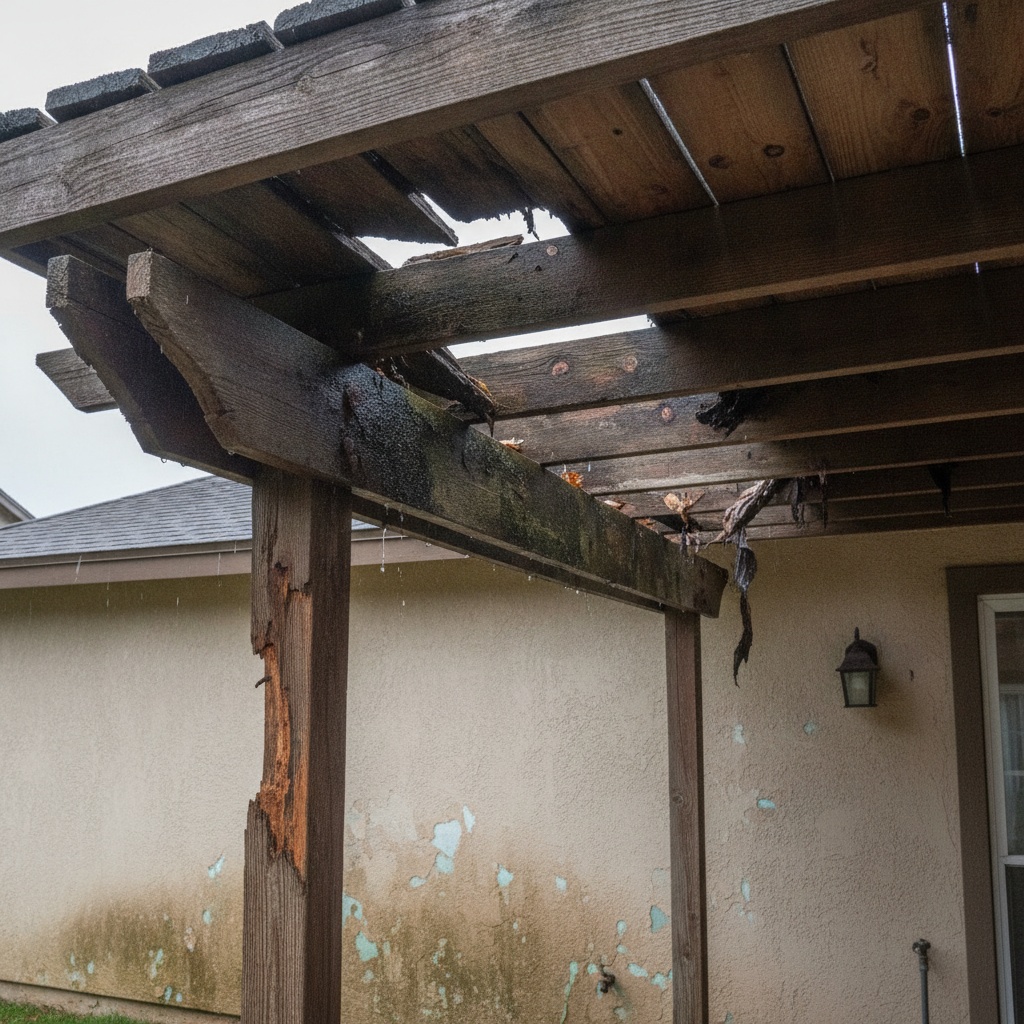
Water stains on the underside of your patio cover reveal leaks that have persisted long enough to saturate the material. Wood structures show rot through soft spots, discoloration, or crumbling sections. Press a screwdriver gently into suspect areas. If it sinks in easily, rot has taken hold.
Metal patio covers develop rust that eats through panels and support structures. Surface rust can be treated, but deep corrosion that creates holes or structural weakness requires replacement. Once water damage spreads to multiple beams or panels, repair costs often exceed replacement costs.
Extensive Pest Infestation
Termites, carpenter ants, and wood-boring beetles hollow out wooden patio covers from the inside. You might see small holes in beams, piles of sawdust below the structure, or visible insect activity. Tap on wooden beams and listen for a hollow sound instead of a solid thunk.
While pest control can eliminate the insects, they often leave behind compromised structural integrity. If inspections reveal extensive tunneling or multiple affected beams, you’ll need to replace patio cover components or the entire structure for safety.
Cracks and Missing Panels
Polycarbonate and acrylic panels crack from impact, UV exposure, or temperature fluctuations. A single cracked panel can be replaced, but multiple damaged sections across your cover indicate material failure. Asphalt or composite shingles that curl, crack, or fall off in large numbers signal the end of their service life.
Missing panels leave gaps that expose your patio to rain and sun, defeating the cover’s purpose entirely. When panel damage becomes widespread, full replacement makes more financial sense than ongoing patchwork repairs.
Age and Material Lifespan Factors
Different patio cover materials age at different rates based on their composition and your local climate conditions. Understanding expected lifespans helps you plan proactively rather than waiting for catastrophic failure.
Wood Patio Cover Longevity
Pressure-treated pine patio covers typically last 15 to 20 years with proper maintenance. Cedar and redwood can reach 20 to 25 years thanks to their natural rot resistance. Without regular sealing and staining every two to three years, wood deteriorates faster from moisture and UV exposure.
If your wood patio cover approaches or exceeds these age ranges and shows multiple warning signs, replacement delivers better value than extensive repairs. Herber Springs Awning and Home Improvements has seen countless wood structures throughout Searcy, Beebe, and surrounding areas reach this natural end point.
Aluminum and Metal Durability
Aluminum patio covers last 25 to 30 years when properly powder-coated or painted. They resist rust better than steel but can develop oxidation and paint failure over time. Steel structures require more maintenance and typically last 20 to 25 years before rust becomes unmanageable.
Metal covers in Arkansas face humidity, temperature swings, and occasional severe weather. Even quality installations eventually show their age through paint deterioration, corrosion at joints, and panel degradation.
Composite and Synthetic Materials
Modern composite materials and vinyl patio covers promise 25 to 30 year lifespans with minimal maintenance. However, first-generation products from 20 to 25 years ago often underperformed these claims. If you have an older composite cover showing brittleness, fading, or structural issues, newer materials offer significant improvements.
Technology advances mean today’s synthetic options outperform older versions in UV resistance, color retention, and structural integrity. Replacing an aging composite cover with current materials can feel like a complete upgrade.
Safety Concerns That Demand Immediate Action
Some patio cover problems move beyond inconvenience into genuine safety hazards. These situations require prompt professional assessment and often immediate replacement.
Structural Instability
A patio cover that wobbles, shifts, or shows signs of pulling away from the house poses collapse risk. This instability can result from foundation settling, inadequate original installation, or deteriorated connection hardware. Never ignore posts that lean, beams that separate from supports, or covers that move during wind.
Structural failure can happen suddenly, especially during storms or heavy snow. If you have any concerns about stability, keep people off the patio until a professional inspection confirms safety or recommends replacement.
Electrical Hazards
Patio covers often house light fixtures, ceiling fans, and electrical wiring. Water intrusion from leaks creates shock and fire hazards when it reaches electrical components. Visible rust or corrosion on light fixtures, exposed wiring, or frequently tripping breakers all indicate electrical problems.
When water damage compromises the structure around electrical installations, you face both structural and electrical replacement needs. This combination typically justifies complete patio cover replacement rather than attempting to salvage damaged sections.
Falling Debris Risk
Loose panels, shingles, or trim pieces that fall from your patio cover create injury risks for family members and guests. Even small pieces falling from height can cause serious harm. If you regularly find debris under your patio cover or notice loose components hanging precariously, replacement should move to your priority list.
Wind can transform loose components into projectiles during storms, potentially damaging windows, vehicles, or neighboring properties. This liability exposure adds urgency to replacement decisions.
Cost Considerations for Replacement vs Repair
The decision to replace patio cover structures often comes down to financial analysis. Several factors help determine whether repair or replacement makes better economic sense.
The 50 Percent Rule
Professional contractors typically recommend replacement when repair costs exceed 50 percent of full replacement cost. This rule accounts for the limited lifespan extension repairs provide on aging structures. Spending $3,000 to repair a cover that needs $5,000 to replace rarely makes sense when the repairs only buy you two to three more years.
Get detailed estimates for both repair and replacement options. Compare the projected lifespan of each approach. Factor in ongoing maintenance costs for patched-up older structures versus new installations.
Energy Efficiency and Home Value
Old patio covers often lack modern energy-efficient features like reflective coatings, proper ventilation design, or insulated panels. Upgrading to current materials can reduce cooling costs by blocking more solar heat and improving airflow around your home.
A new patio cover also boosts curb appeal and home value. Real estate professionals note that quality outdoor living spaces rank high on buyer wish lists. When selling becomes part of your five-year plan, replacement may deliver returns that justify the investment beyond pure maintenance necessity.
Pro Tip: Schedule patio cover replacement during off-peak seasons (late fall or winter) when contractor availability increases and you may secure better pricing. Planning ahead beats emergency replacement during summer when you want to use your outdoor space most.
Insurance and Storm Damage
Homeowner’s insurance may cover patio cover replacement if damage results from covered perils like hail, wind, or falling trees. Document all damage with photos and contact your insurance company before starting work. Some insurers require specific contractors or approval processes.
If your patio cover suffered storm damage but still functions marginally, filing a claim now prevents paying out of pocket later when age-related failure occurs. Insurance rarely covers wear and tear but will cover acute damage events.
Material Options for Your Replacement
When you decide to replace patio cover structures, material selection impacts longevity, maintenance requirements, aesthetics, and cost. Arkansas weather patterns should guide your choice.
Modern Aluminum Systems
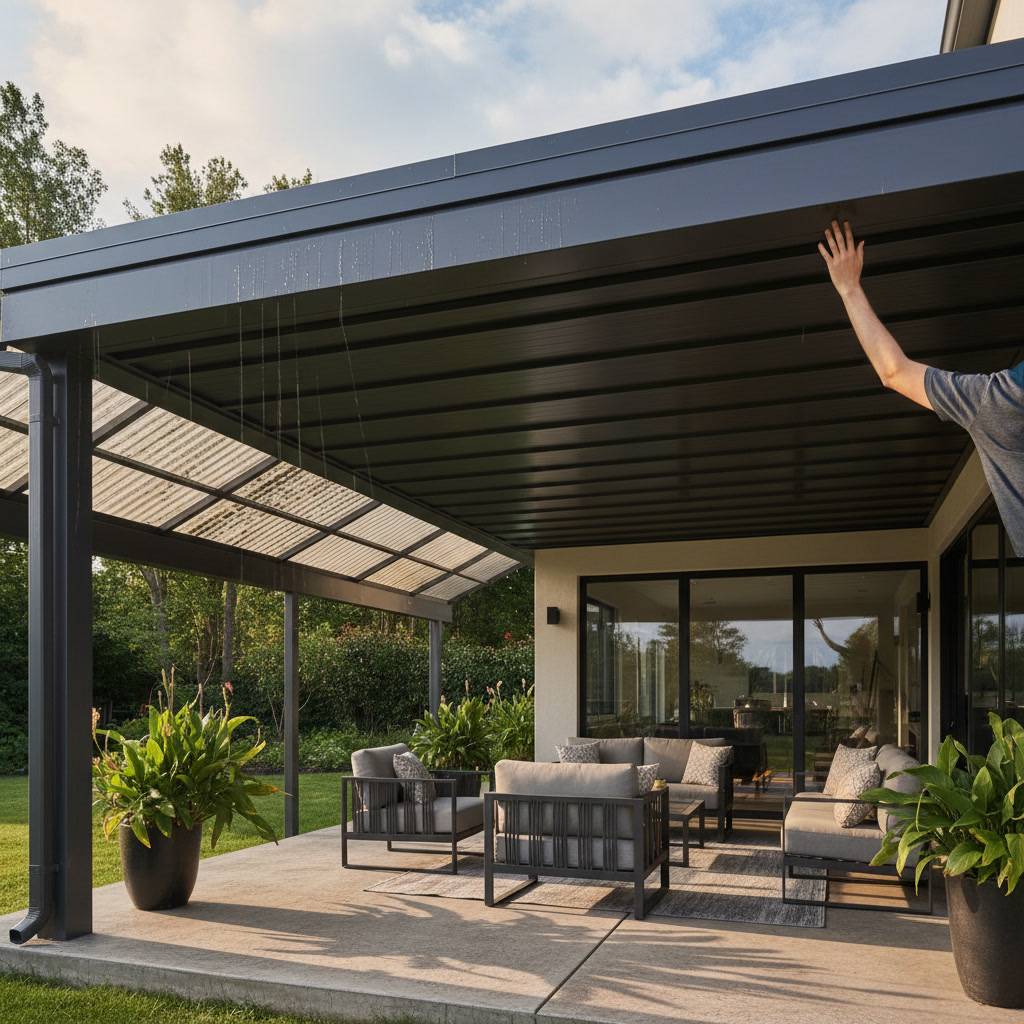
Engineered aluminum patio covers offer excellent durability with minimal maintenance. Powder-coated finishes resist fading and corrosion for decades. These systems typically feature built-in gutters and downspouts that channel water away from your foundation.
Aluminum works well for flat or low-slope designs and pairs easily with optional shade panels, screening, or polycarbonate roofing. Expect costs ranging from $15 to $35 per square foot installed, depending on design complexity and finish options.
Lattice and Open-Beam Wood
If you prefer natural wood aesthetics, modern pressure-treated lumber and composite alternatives provide better longevity than older wood products. Cedar and redwood remain premium choices for their beauty and natural resistance to decay.
Open lattice designs allow more light and air circulation while still providing partial shade. These structures work beautifully when integrated with climbing plants and landscaping features. Budget $12 to $30 per square foot for wood patio covers.
Solid Roof Panels
Solid roof patio covers using standing seam metal, shingles, or insulated panels create true outdoor rooms that function year-round. These designs require proper engineering to handle snow loads and wind forces while integrating with your home’s existing roof drainage.
Solid covers cost more upfront, typically $25 to $50 per square foot, but deliver maximum weather protection and can incorporate ceiling fans, lights, and even outdoor heating elements. They transform patios into genuine living space extensions.
Planning Your Patio Cover Replacement Project
Successful patio cover replacement requires careful planning beyond just choosing materials. These steps help ensure your project meets expectations and stays on budget.
Permitting and Code Requirements
Most municipalities require building permits for patio cover replacement, especially when changing size, height, or structural design. Permits ensure your new cover meets current building codes for wind resistance, snow loads, and proper attachment to your home.
Working with experienced contractors who handle permitting as part of their service saves you time and ensures compliance. Code violations can create problems during future home sales or insurance claims. Communities including Judsonia, Cabot, and Bald Knob each have specific requirements that professionals in your area understand.
Timing and Season Considerations
Patio cover replacement typically takes two to five days depending on project size and complexity. Weather delays can extend timelines, making spring and fall ideal seasons for outdoor construction projects. Summer heat makes installation less comfortable for crews, while winter cold can affect material handling and curing times for concrete footings.
Schedule your project at least four to six weeks in advance during peak season. If you have flexibility, off-season scheduling often provides faster turnaround and potentially better pricing.
Coordinating Additional Upgrades
Patio cover replacement creates opportunity to upgrade related outdoor features simultaneously. Consider adding screening to create a bug-free zone, upgrading patio flooring, or incorporating landscape lighting while equipment and crews are already on site.
Bundling projects can reduce overall costs through shared mobilization, material ordering, and labor efficiency. If you’ve been considering deck repairs, landscape upgrades, or water features, discuss these with your contractor during the planning phase.
Finding the Right Contractor
Your contractor choice significantly impacts project quality, timeline, and final satisfaction. These criteria help identify qualified professionals for your patio cover replacement.
Experience and Specialization
Look for contractors who specialize in outdoor structures rather than general handymen. Patio covers require specific knowledge of material properties, structural engineering, and weather-resistant construction techniques. Ask how many similar projects they complete annually and request references from recent customers.
Contractors with 20 or more years of experience have seen how different materials and construction methods perform over time. This perspective helps them recommend solutions that truly last in your local climate.
Licensing, Insurance, and Warranties
Verify that contractors carry current liability insurance and workers’ compensation coverage. Request certificates of insurance showing coverage amounts and expiration dates. Check licensing requirements for your municipality and confirm compliance.
Quality contractors offer warranties covering both materials and workmanship, typically ranging from one to five years on labor and longer on materials. Get warranty terms in writing before signing contracts. Understand what actions might void coverage.
Detailed Written Estimates
Professional estimates should itemize materials, labor, permits, and any additional costs. Vague lump-sum bids make it difficult to compare contractors or understand what you’re actually paying for. Detailed estimates also reduce surprise charges during construction.
Compare at least three estimates before deciding. The lowest bid isn’t always the best value if it cuts corners on materials or engineering. Ask questions about any significant price differences between contractors.
Frequently Asked Questions
How much does it cost to replace a patio cover?
Patio cover replacement costs typically range from $3,000 to $15,000 depending on size, materials, and design complexity. Basic aluminum covers for a 12×12 patio start around $3,500, while premium solid-roof designs for larger spaces can exceed $20,000. Get detailed estimates based on your specific dimensions and material preferences for accurate budgeting.
Can I replace just part of my patio cover or does it all need replacement?
Partial replacement works when damage is isolated to specific panels or sections and the main structure remains sound. However, when support beams, posts, or multiple areas show deterioration, full replacement usually provides better value and longevity. A professional inspection can determine whether partial repair makes sense for your situation.
How long does patio cover replacement take?
Most patio cover replacement projects take two to five days from demolition through final installation. Complex designs, larger areas, or projects requiring custom fabrication may extend to two weeks. Weather delays, permit processing times, and contractor scheduling affect overall timelines. Discuss realistic schedules with your contractor before starting work.
Do I need to replace my patio cover if it just looks outdated?
Aesthetic concerns alone don’t require replacement if the structure remains safe and functional. However, if you’re already seeing early signs of wear like minor wood rot, paint failure, or small cracks, replacing sooner lets you choose timing and materials rather than facing emergency replacement later. Modern materials also offer improved performance that older covers can’t match.
What maintenance extends patio cover lifespan after replacement?
Annual inspections, cleaning debris from the roof surface and gutters, and promptly repairing minor damage prevent small problems from becoming major failures. Wood covers need resealing every two to three years, while metal structures benefit from occasional touch-up paint on scratched areas. Trim back tree branches that rub against the cover or drop excessive debris.
Ready to Replace Your Patio Cover
Recognizing when to replace patio cover structures protects your investment, maintains safety, and restores your outdoor living space. Whether you’re dealing with structural damage, age-related wear, or simply want to upgrade to modern materials, acting before complete failure gives you control over the project timeline and budget.
Herber Springs Awning and Home Improvements brings 25 years of experience to patio cover replacement throughout Judsonia, Searcy, Kensett, Pangburn, and surrounding central Arkansas communities. Our team helps you select materials suited to local weather conditions and designs structures that enhance your property’s function and value. Contact us at +15012069649 to schedule a free consultation and estimate for your patio cover replacement project.